Season 1
47 episodes Jan 1, 2019
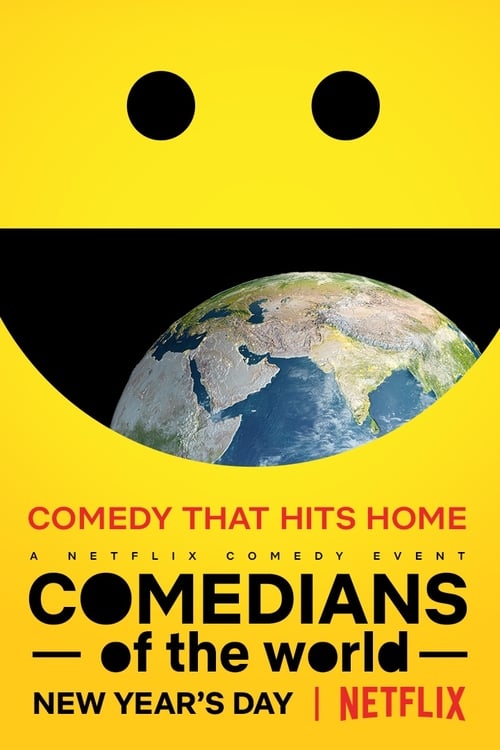
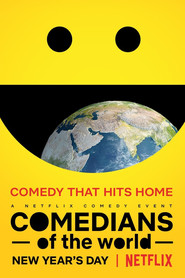
Global stand-up comedy series features a diverse set of comics from 13 regions bringing their perspectives on what's funny around the world.
Latest episode: S1 E47 Adib Alkhalidey (Jan 1, 2019)
I’ll admit it: when I first saw the Netflix banner for COMEDIANS of the World, I rolled my eyes. Not because I dislike stand-up comedy—far from it—but because the premise felt like a corporate checklist in human form. "Global representation!
Diversity! New Year’s event!" The marketing copy practically screamed, "Look how inclusive we are!"
But here’s the thing about comedy: it doesn’t care about your corporate mission statement. It either lands or it doesn’t. And in the case of this series, the results are… uneven.
Not bad, exactly. Just uneven in a way that makes you wonder if the whole thing was designed more to fill a quota than to curate a truly revelatory lineup.
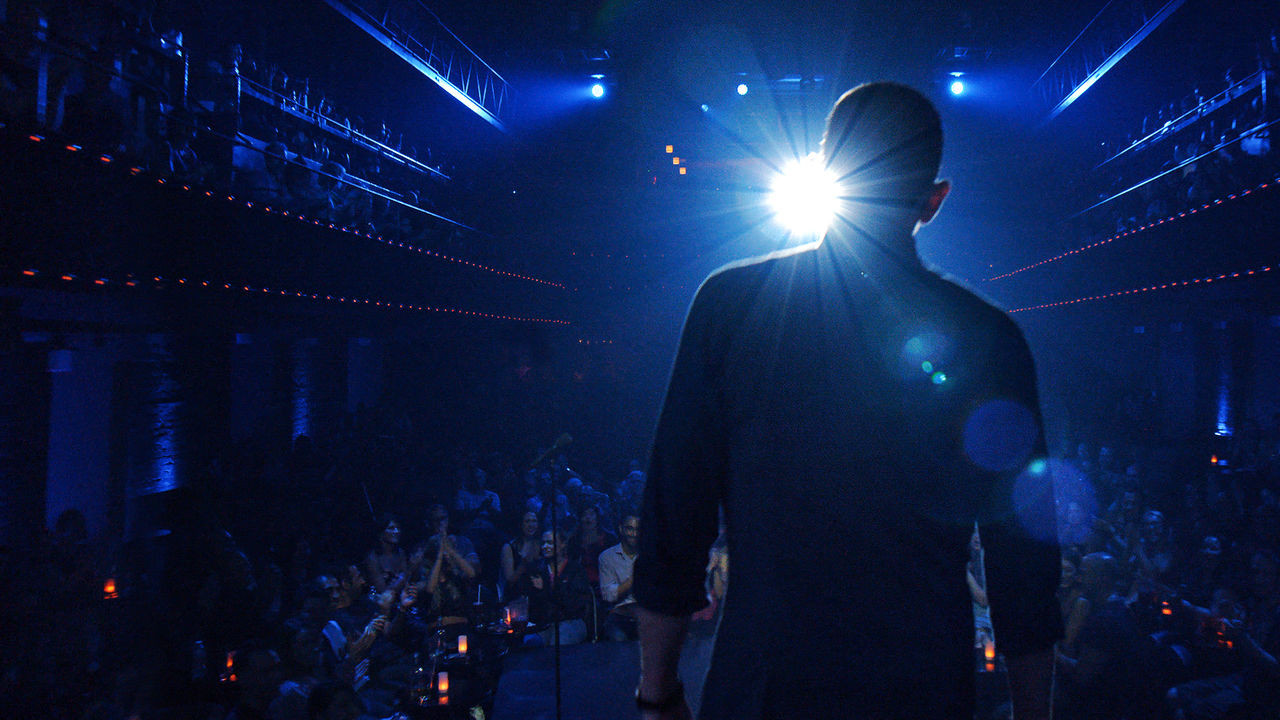
The concept is simple enough: 47 comedians from 13 regions, each delivering a 30-minute stand-up set. No frills, no gimmicks—just a spotlight, a mic, and the unspoken challenge of making a room full of strangers laugh. On paper, it’s a thrilling idea.
Stand-up is one of the most intimate forms of performance, a direct line from the comedian’s id to the audience’s collective funny bone. And when it works, it’s magic. There’s something electrifying about watching a comic from halfway across the world nail a joke about, say, the absurdity of dating apps or the universal dread of family gatherings.
It’s a reminder that, for all our cultural differences, laughter is one of the few things that truly transcends borders.
But here’s the catch: not all laughter is created equal. And not all of these sets feel like they were chosen for their comedic brilliance.
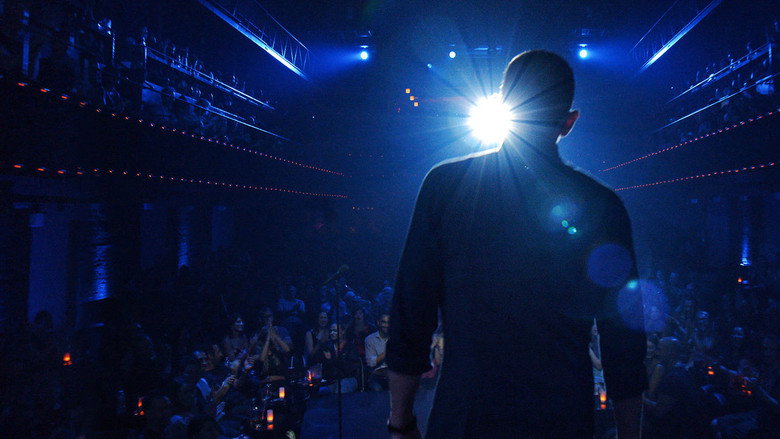
Take, for example, the set from South African comedian Loyiso Gola. His material is sharp, observational, and deeply rooted in the specifics of his country’s post-apartheid landscape. He jokes about the contradictions of modern South Africa—how the legacy of colonialism lingers in everything from the names of streets to the way people still tiptoe around race.
It’s the kind of comedy that doesn’t just make you laugh; it makes you think. And that’s the thing about great stand-up: it doesn’t just reflect the world back at you; it refracts it, bending it into something new and unexpected. Gola’s set is a masterclass in how comedy can be both a mirror and a magnifying glass.
"A global showcase of stand-up comedy that delivers laughs but lacks depth in curation."
Viewers appreciate the series for bringing together comedians from diverse backgrounds, offering a mix of humor styles and cultural perspectives. However, some find the episodes uneven, with standout performances overshadowed by less engaging acts, and wish for more consistent quality or thematic organization.
Netflix’s COMEDIANS of the World (2019) wasn’t just another comedy special—it was a cultural experiment. The series dropped 47 stand-up sets from 13 regions, each comic delivering a half-hour performance that doubled as a snapshot of humor’s local flavors  . With no host, no framing device, and no unifying theme beyond "what’s funny where you’re from," the project let the comedians’ perspectives take center stage. The result? latestnetflix.com's read is that a rare, unfiltered look at how laughter travels—or doesn’t—across borders.
The premise was simple: Netflix would hand the mic to comedians from regions as diverse as Brazil, Canada, the U.K., Australia, and the Middle East, then step back  . No rules, no censored topics—just raw, regional humor. The series leaned into the idea that comedy is inherently local, shaped by language, politics, and shared cultural touchstones. A joke about Brexit might kill in London but fall flat in Lagos; a bit about Bollywood tropes could resonate in Mumbai but puzzle audiences in Mexico City .
What set COMEDIANS of the World apart was its refusal to soften edges. The trailer alone hinted at the series’ unapologetic tone, showcasing everything from self-deprecating Canadian humor to sharp, politically charged material from comics in less permissive regions . The behind-the-scenes featurette revealed a production that embraced chaos, with filmmakers capturing the energy of live performances while navigating logistical hurdles—like coordinating shoots across multiple time zones and languages .
The cast was a mix of Netflix veterans and fresh faces, though the evidence doesn’t name a single creator or showrunner . What’s clear is the diversity: 47 comedians, including Nicole Byer (U.S.), Nazeem Hussain (Australia), Joel Creasey (Australia), and Thiago Ventura (Brazil) . The series didn’t just spotlight big names—it gave equal weight to rising stars and regional favorites, ensuring each set felt distinct.
The absence of a credited director or showrunner is notable. Was this a deliberate choice to let the comedians’ voices dominate, or just an oversight? The evidence doesn’t say .
Global comedy series are rare for a reason. Humor is deeply tied to cultural context, and what’s hilarious in one country can be confusing—or offensive—in another. COMEDIANS of the World didn’t shy away from this tension. The series included sets in languages other than English, with subtitles bridging the gap for international audiences . But subtitles can only do so much. A joke about a local politician or a niche pop-culture reference might land perfectly in its home country but leave others scratching their heads.
Then there’s the question of how Netflix marketed the series. The platform’s algorithm favors bingeable content, but COMEDIANS of the World was designed as a buffet—viewers were encouraged to dip in and out, sampling sets based on curiosity rather than a linear narrative . Did this hurt its performance? The evidence doesn’t provide viewership numbers or critical reception, so it’s impossible to say .
COMEDIANS of the World was a one-season wonder, with no follow-up announced . That doesn’t mean it failed—Netflix has a history of experimenting with formats, then quietly shelving them if they don’t fit the platform’s long-term strategy. The series’ real value might have been in its ambition. It proved that audiences are hungry for global perspectives, even if those perspectives don’t always translate seamlessly.
The behind-the-scenes footage suggests a production that was as much about the comedians’ camaraderie as their performances . Clips show them swapping stories, laughing between takes, and hyping each other up—a reminder that, despite cultural differences, comedy is a universal language.
COMEDIANS of the World was a bold, if imperfect, experiment. It didn’t revolutionize stand-up, but it did something rarer: it let comedians from around the world speak for themselves, without filters or explanations. In an era where streaming platforms often prioritize algorithm-friendly content, that’s worth celebrating—even if the series itself is already a footnote in Netflix’s vast catalog.
Entertainment rumors and trivia aggregated from public reporting. Treat speculation as unverified unless a cited source confirms it.
Series
Related series ranked by rating and popularity.