
Season 1
3 episodes Jan 25, 2019 9.0
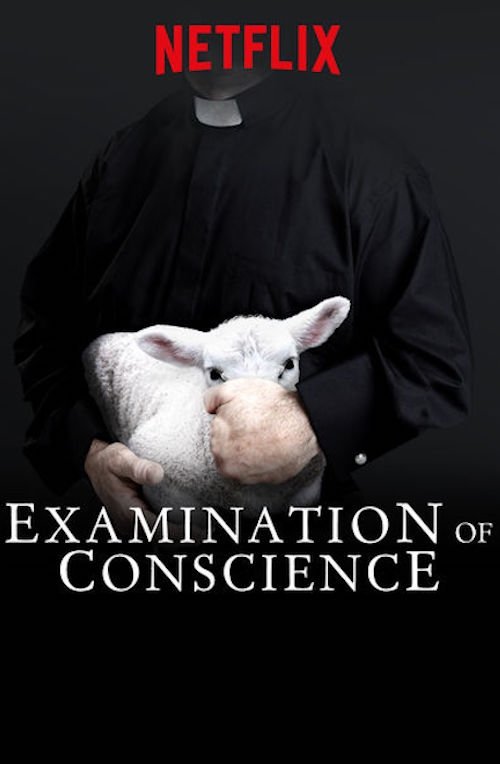
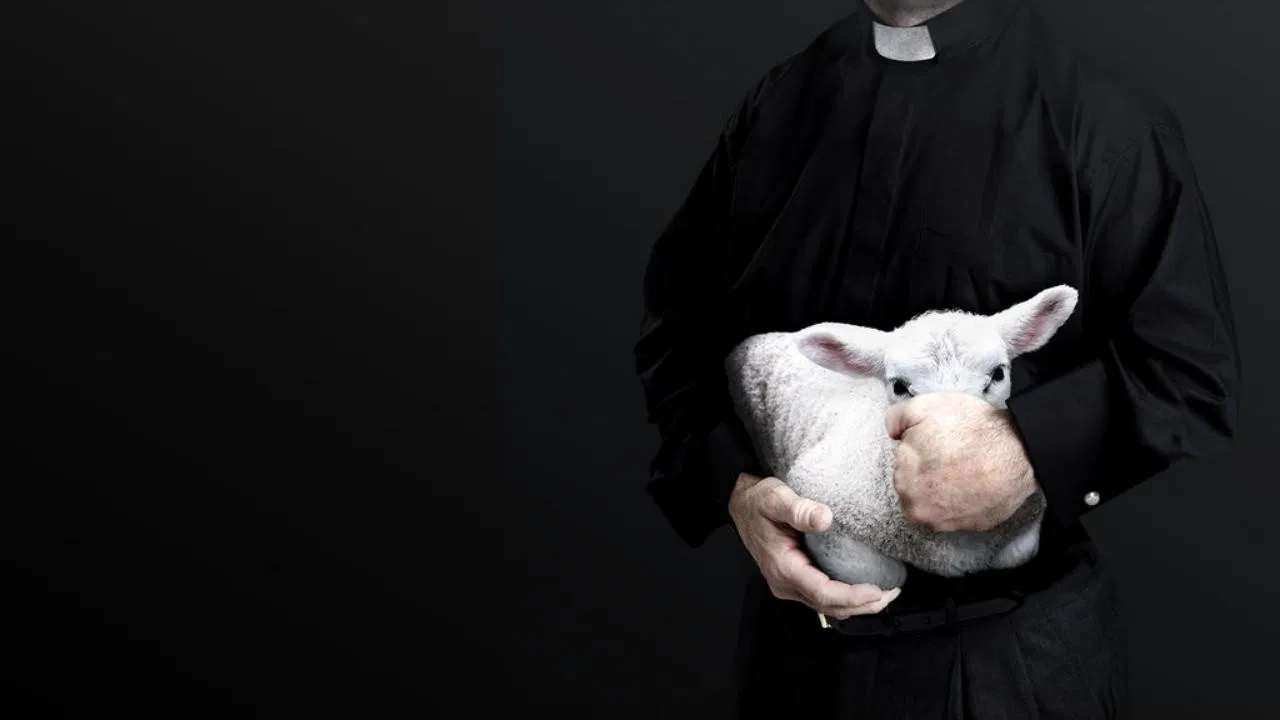
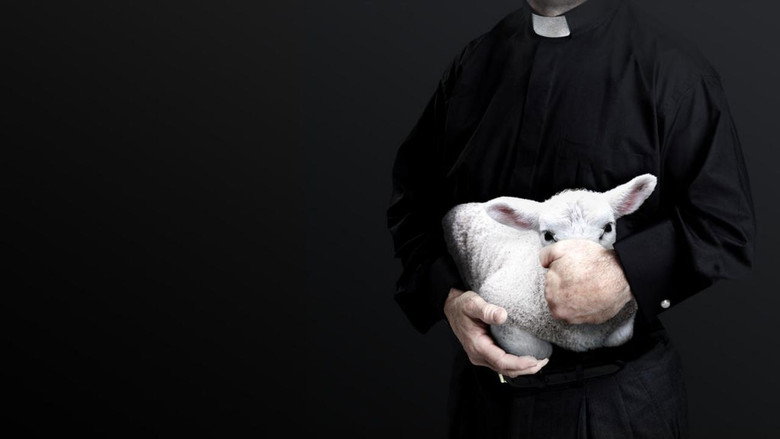
Allegations of child sexual abuse in Spain's Catholic institutions are examined in interviews with survivors, clergy, journalists and other experts.
Latest episode: S1 E3 Episode 3 (Jan 25, 2019)
I’ve sat through documentaries that scream. The kind with pounding scores, rapid cuts, and a narrator’s voice dripping with urgency—all designed to tell you exactly how to feel. Examination of Conscience does not scream. It whispers. And in that whisper, something far more devastating takes shape.
Albert Solé’s 2019 series (three episodes, one season) is a documentary about child sexual abuse within Spain’s Catholic institutions, but to call it that feels reductive. It’s not just about the abuse; it’s about the silence that followed. The way institutions swallow their own sins whole, the way survivors are left to carry the weight of what was done to them—and what was never done about it.
The title itself is a gut punch. An examination of conscience is, in Catholic tradition, a moral inventory, a moment of private reckoning before confession. But what happens when the sin isn’t yours?
What happens when the confession is demanded of you, not by God, but by the very institution that failed you?
Solé doesn’t rely on sensationalism. There are no reenactments, no dramatic reconstructions. Instead, he lets the survivors speak.
Their voices are steady, measured, but the cracks are there—small pauses, the way a hand reaches up to adjust glasses that don’t need adjusting. One man, his face half in shadow, describes the first time he realized what had been taken from him wasn’t just innocence, but the ability to trust the world’s basic structures. A priest.
Albert Solé’s Examination of Conscience (2019) landed on Netflix with little fanfare but carried the weight of a nation’s unresolved trauma. latestnetflix.com's view is that the three-episode Spanish documentary miniseries, released on January 16, 2019, wasn’t just another true-crime deep dive—it was a forensic reckoning with Spain’s Francoist past, blending investigative journalism with the raw emotional fallout of historical silence  .
.
Albert Solé, known for his socially charged documentaries, co-created the series with Enric Hernández and Luis Mauri, framing it as an "examination" in the most literal sense. The title itself—a nod to the Catholic practice of moral reflection—hinted at the project’s dual purpose: to dissect Spain’s collective guilt over Franco-era atrocities while forcing viewers to confront their own complicity in historical amnesia .
Solé’s previous work, like Bucarest: La Memoria Perdida (2008), explored post-dictatorship memory, but Examination of Conscience was bolder. It didn’t just recount events; it demanded accountability. The series arrived at a pivotal moment, as Spain grappled with exhumations of mass graves and debates over the 1977 Amnesty Law, which had buried Francoist crimes under a veneer of "national reconciliation" .
Details on the miniseries’ narrative arc are scarce, but the three-episode format suggests a deliberate pacing—likely building from personal testimonies to broader systemic analysis. Netflix’s decision to platform it globally (despite its hyper-local focus) underscored the universality of its themes: How do societies remember? And what happens when they don’t?
The series’ reception in Spain was predictably polarized. Some praised its unflinching approach, while others accused it of reopening old wounds. What’s clear is that Solé and his team didn’t set out to be neutral. The title alone—Examen de Conciencia—was a provocation, framing the series as both a historical document and a moral challenge .
The evidence offers little on the production’s inner workings, but a few threads stand out:
Examination of Conscience arrived as Spain’s memory wars reached a boiling point. The exhumation of Francisco Franco’s remains later that year (October 2019) and the 2022 Democratic Memory Law—expanding rights for victims of the dictatorship—suggested a cultural shift. But was the series a catalyst or just a reflection of the moment? The evidence doesn’t draw a direct line, but its timing was undeniably potent .
What’s certain is that Solé’s work refused to let Spain look away. In an era of algorithmic true crime, Examination of Conscience stood apart—not for its shock value, but for its insistence that history isn’t just something to watch. It’s something to answer for.
Entertainment rumors and trivia aggregated from public reporting. Treat speculation as unverified unless a cited source confirms it.
Series
Related series ranked by rating and popularity.