
Jam Hsiao
Wei Song Yan
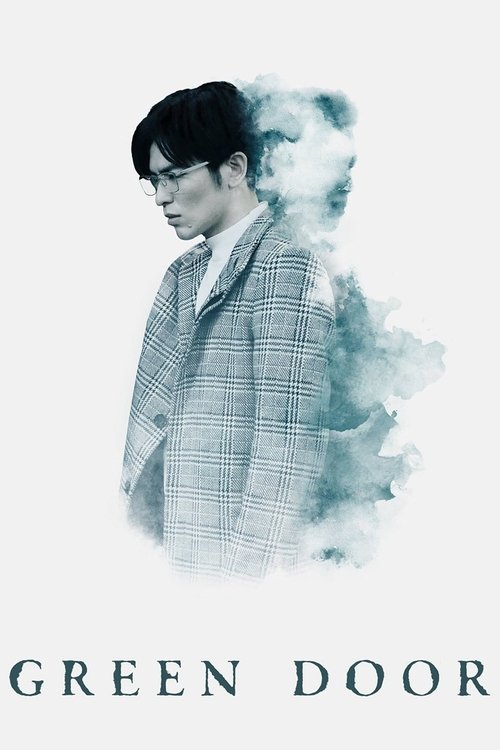
A troubled psychologist returns from the U.S. and sets up a clinic in Taiwan, where mysterious patients and uncanny events shed light on his murky past.
I keep thinking about the first time I saw the green door. Not the one in the title—though that’s the obvious hook—but the one that isn’t there at all. It’s in the second episode, when the psychologist, Dr.
Chen, stands in his new clinic, staring at a blank wall where a door should be. The camera lingers just a beat too long, the way it does when a filmmaker wants you to feel the absence more than the presence. That’s Green Door in a nutshell: a series about what’s missing, what’s haunting, and the way the mind fills in the gaps with something worse than reality.
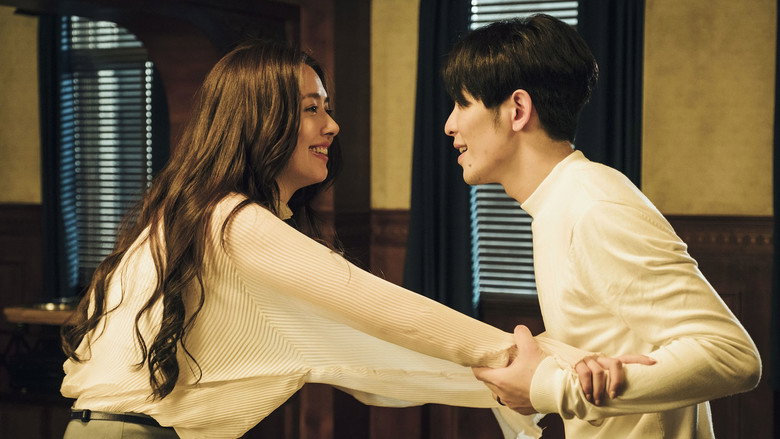
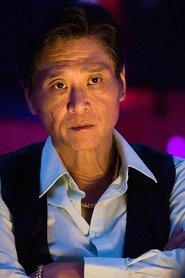
Lingo Hsieh’s six-episode series is a quiet beast, the kind of horror that doesn’t rely on jump scares or gore but on the slow unraveling of a man who can’t outrun his past. Dr. Chen (Jam Hsiao) returns to Taiwan after years in the U.S., setting up a psychology practice in a city that feels both familiar and alien.
His patients are a parade of the damaged and the damned: a woman who believes she’s possessed, a gangster with a guilty conscience, a child who sees things no one else can. Each case peels back another layer of Chen’s own trauma, until the line between therapist and patient blurs into something like shared delusion.
What’s striking about Green Door is how it refuses to play by the rules of either psychological thrillers or supernatural horror. There’s no clear villain, no grand conspiracy—just the creeping sense that the world is slightly off-kilter, like a dream you can’t wake up from. The series leans into Taiwanese folklore, but it’s not the kind of folklore you find in tourist guides.
These aren’t ghosts with backstories or vengeful spirits with clear motives. They’re more like fragments of memory, half-remembered nightmares that cling to the edges of the frame. In one scene, a patient describes seeing a figure standing in the corner of her room, but when Chen turns to look, there’s nothing there.
"A moody Taiwanese mystery that blends therapy with supernatural crime elements, [latestnetflix.com]( read is that the series delivers an atmospheric exploration of psychological distress."
Directed by Lingo Hsieh and featuring Jam Hsiao and Bea Hayden Kuo, Green Door centers on a psychologist who returns to Taiwan to open a clinic, only to find himself treating deeply troubled individuals and unusual spirits. latestnetflix.com's view is that while the dark, psychological crime framework creates an intriguing premise, the deliberate and unconventional narrative structure can divide viewers looking for traditional procedural drama.
Green Door (2019), the Taiwanese horror-thriller series from director Lingo Hsieh, arrived with a quiet buzz—no global fanfare, but enough local intrigue to spark curiosity. Set against the backdrop of Taipei’s eerie urban legends, the show promised a dive into Taiwanese folklore, psychological horror, and the kind of slow-burn dread that lingers. But what went into making it? latestnetflix.com's view is that the behind-the-scenes details are sparse, but the glimpses we have reveal a production that leaned into atmosphere, cultural specificity, and a few unexpected creative choices.
Lingo Hsieh, known for her work in horror and thriller cinema, brought a distinct perspective to Green Door. Her debut feature, The Bride (2015), already hinted at her fascination with non-Western horror traditions, and Green Door doubled down on that approach. While the evidence doesn’t spell out the exact rituals or myths the series drew from, Hsieh’s broader filmography suggests a deliberate rejection of Hollywood-style jump scares in favor of something more unsettling: the uncanny weight of cultural memory  .
.
In a rare behind-the-scenes interview (available in Mandarin), Hsieh discussed the challenges of balancing horror with emotional depth, though the snippet doesn’t provide direct quotes or specifics about the creative process . What’s clear is that the series wasn’t just about ghosts—it was about the psychological unraveling of its characters, a theme that likely required careful direction to avoid veering into melodrama.
Green Door assembled a mix of Taiwanese talent, some of whom were better known for music or lighter roles. Jam Hsiao, a pop star turned actor, took on a lead role, a departure from his usual romantic or dramatic parts. Bea Hayden Kuo, another central figure, brought a different energy—her past work in historical dramas and romances made her casting an interesting pivot into horror [TMDB].
The supporting cast included Enno Cheng, Hsieh Ying-shiuan, and Blue Lan, the latter of whom has a reputation for playing charismatic but morally ambiguous characters. Behind-the-scenes featurettes hint at the actors’ struggles with the material. One clip focuses on Hsieh Ying-shiuan’s character, suggesting the role demanded a mix of vulnerability and intensity, though details about her process remain vague . Another featurette spotlights Blue Lan, teasing his character’s dark turn, but again, specifics are thin .
What’s missing? Any real dirt on set dynamics. No reports of feuds, no leaked on-set drama—just a few promotional clips that paint a picture of professionalism, if not outright secrecy.
Horror thrives on what you don’t see, and Green Door seemed to embrace that philosophy. A behind-the-scenes featurette on the series’ visual effects reveals a team working to create subtle, unsettling imagery rather than overt CGI monsters. The snippet describes the use of practical effects blended with digital enhancements to craft eerie, dreamlike sequences—think flickering lights, distorted reflections, and the kind of surreal imagery that lingers in the mind long after the screen fades to black .
The trailer, available on Netflix’s YouTube channel, backs this up. It’s heavy on mood: dim lighting, slow zooms, and a soundtrack that swells with dread rather than shock. If the VFX team had a mantra, it might’ve been “less is more” .
Here’s where the evidence runs dry. Despite the promotional push—trailers for multiple episodes, character featurettes, and even a director interview—there’s little to no record of how Green Door was received by audiences or critics. No reviews, no ratings breakdowns, no word on whether it was a hit or a miss. The series exists in a kind of limbo: visible enough to have left a digital footprint, but not prominent enough to have sparked widespread discussion.
Was it canceled? Did it underperform? The lack of follow-up projects from Hsieh in the horror space might suggest a lukewarm response, but that’s pure speculation. For now, Green Door remains a curiosity—a series that promised a fresh take on horror but left few traces of its impact.
Taiwanese horror, particularly the kind rooted in local folklore, has never had the same global reach as J-horror or K-horror. Green Door’s niche appeal might explain its quiet fade into obscurity. Without a major streaming push or festival buzz, it’s possible the series simply didn’t find its audience. Alternatively, the lack of coverage could be a quirk of the evidence—maybe it was a sleeper hit, and the right reviews or think pieces just haven’t surfaced in the snippets we have.
One thing’s certain: Green Door was a gamble. A horror series steeped in Taiwanese cultural themes, led by a director with a distinct vision, and populated by actors stepping outside their comfort zones. Whether it paid off remains an open question.
Entertainment rumors and trivia aggregated from public reporting. Treat speculation as unverified unless a cited source confirms it.
Series
Related series ranked by rating and popularity.