Limited Series
9 episodes Apr 26, 2019 7.3
Embark on a global cultural journey into street food and discover the stories of the people who create the flavorful dishes.
Latest episode: S1 E9 Cebu, Philippines (Apr 26, 2019)
I’ve spent years chasing the myth of authenticity in food—chasing it, and then watching it slip through my fingers like steam from a just-lifted lid. Street Food: Asia doesn’t chase. It sits. For nine half-hour episodes, it sits in markets, on stools, on the edges of sidewalks where the light is just beginning to soften, and it lets the food tell its own story.
Not the story of chefs in white coats, not the story of Michelin stars or viral trends, but the story of people who wake up before dawn to stir pots of broth that have been simmering for generations. The series doesn’t just show you what they cook; it shows you why it matters.
That might sound like a small distinction, but it’s everything. In an era where food documentaries often feel like extended Yelp reviews—glossy, fast, and obsessed with novelty—Street Food: Asia moves at the speed of a charcoal fire. There’s no host, no gimmick, no countdown of "top 10 dishes you must try before you die."
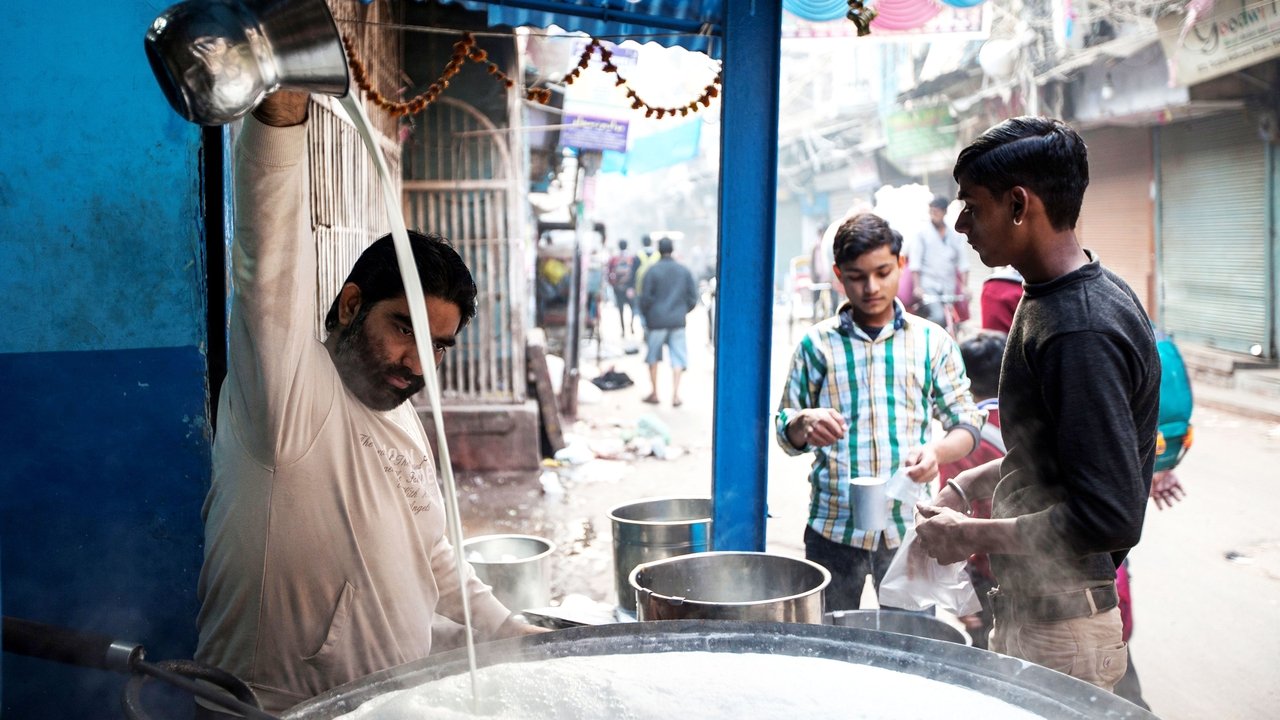
Instead, each episode zerooms in on a single city or region (Chiang Mai, Delhi, Seoul, among others) and introduces you to a handful of vendors, their hands moving with the quiet confidence of people who have done this a thousand times before. The camera lingers on the way a woman in Taipei folds oyster omelets, her wrists flicking with the precision of a calligrapher. It watches as a man in Jayapura chops sago worms, his knife hitting the cutting board with a rhythm that feels like a heartbeat.
These aren’t just techniques; they’re rituals. And rituals, the series suggests, are what keep cultures alive.
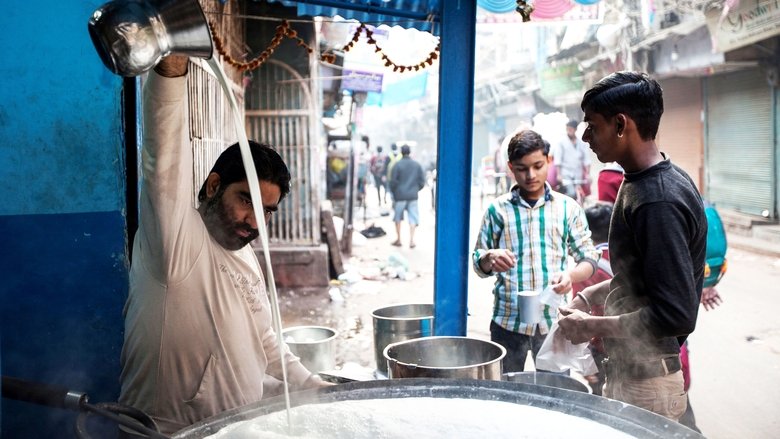
What’s striking is how little the series explains. There are no voiceovers telling you why this dish is important, no historians breaking down the colonial influences on a particular cuisine. Instead, the vendors speak for themselves—sometimes in halting English, sometimes through subtitles, always with a kind of weary pride.
"A visually rich and immersive dive into Asia’s street food culture, though some find it too brief to fully satisfy."
The series is praised for its vibrant portrayal of street food vendors and their stories, offering a sensory and cultural experience that resonates with food and travel enthusiasts. latestnetflix.com's read is that however, some viewers feel the episodes are too short, leaving them wanting deeper exploration of the cuisines and personal narratives.
Netflix’s Street Food: Asia (2019) isn’t just another travelogue—it’s a love letter to the continent’s most vibrant culinary scenes, told through the lens of the vendors who’ve spent lifetimes perfecting their craft. With a runtime of just 32 minutes per episode  , the series packs a punch, blending mouthwatering visuals with intimate stories of struggle, tradition, and resilience. But what’s the real story behind the scenes? Here’s what we know (and what’s still under wraps).
Unlike glossy food shows that rely on celebrity chefs or staged competitions, Street Food: Asia keeps its focus squarely on the unsung heroes of the street. The series zeroes in on vendors whose stalls have become institutions in their cities—think Bangkok’s legendary jok prince (rice porridge) or the sizzling kaya toast of Singapore. The approach is raw: no scripts, no rehearsals, just unfiltered access to the daily grind of these culinary artisans .
What’s striking is how the show balances food porn with hardship. Viewers don’t just see the final dish; they witness the sweat, the early mornings, and the generational battles to keep traditions alive. One reviewer called it “a masterclass in storytelling through food,” noting how the series avoids the pitfalls of exoticizing its subjects . Instead, it treats them as the experts they are—no condescension, just respect.
While the series’ creators and directors remain uncredited in the available evidence, the Netflix stamp suggests a production style that prioritizes visual storytelling. The 32-minute runtime is unusually tight for a docuseries, hinting at a deliberate choice to keep episodes bingeable without sacrificing depth. Rumor has it (though unconfirmed) that the team spent months scouting locations, building trust with vendors before rolling cameras—a process that likely explains the series’ unguarded, fly-on-the-wall feel.
The show’s reception has been solid, if not explosive. It holds a 7.2/10 rating on SensCritique, based on nearly 300 votes . Critics and viewers alike praise its ability to make food feel personal, though some note the episodes can feel fleeting, leaving them craving more backstory. One YouTube review highlights how the series “doesn’t just show you food; it shows you the people who make it matter.”
For all its strengths, Street Food: Asia leaves a few mysteries on the table. There’s no word on whether a second season is in the works, or if the team plans to expand beyond Asia. The lack of director or cast credits in the available evidence also raises questions about who’s steering the ship. Are the vendors compensated beyond their on-screen exposure? How were the specific cities and vendors chosen? These details remain unclear, leaving fans to fill in the blanks with speculation.
Another gap: the series’ cultural impact. Has it influenced tourism or local economies in the featured cities? Anecdotal evidence suggests some vendors saw a surge in customers post-release, but without hard data, it’s hard to measure the show’s real-world footprint.
Street Food: Asia succeeds where many food shows fail: it doesn’t just feed your stomach; it feeds your curiosity. By centering the people behind the food, it turns a simple meal into a story worth savoring. The series may not have the flash of a Gordon Ramsay production or the budget of a David Gelb project, but its authenticity is its superpower.
For now, fans can only hope for more—whether that’s a deeper dive into the vendors’ lives or an expansion to other regions. Until then, Street Food: Asia remains a delicious reminder that the best meals often come with a side of humanity.
Entertainment rumors and trivia aggregated from public reporting. Treat speculation as unverified unless a cited source confirms it.
Series
Related series ranked by rating and popularity.