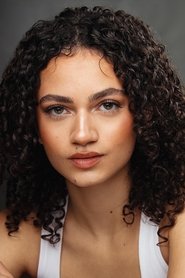
Tara Abboud
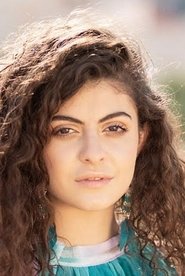
Sarah
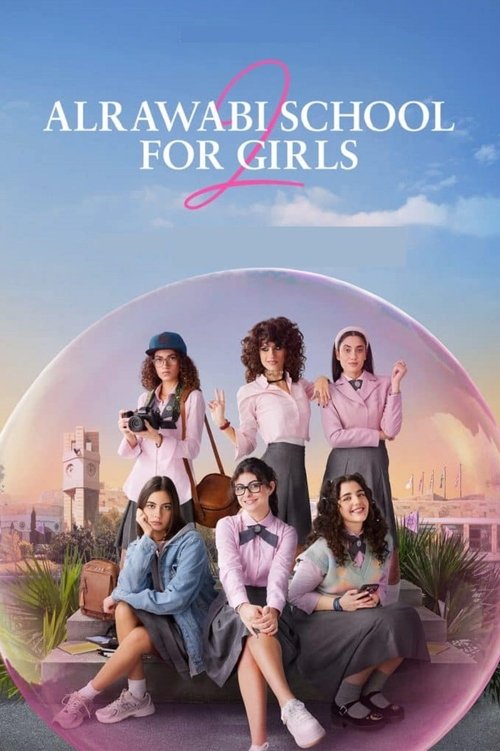
The bullied outcasts at prestigious Al Rawabi School for Girls plot a series of risky takedowns to get back at their tormentors.
I keep thinking about the moment when Mariam, the quiet girl in the corner, finally snaps. It’s not the big, dramatic explosion you expect—no screaming, no thrown chairs. Instead, she just stops moving.
The camera lingers on her face as the chatter of the school hallway fades into a muffled hum, like she’s underwater. Her tormentors are still laughing, oblivious, but for a few seconds, the world narrows to her clenched jaw and the way her fingers dig into her own palms. It’s a small act of defiance, almost invisible.
And that, more than any revenge plot, is what AlRawabi School for Girls gets right: the way oppression doesn’t always announce itself with a bang. Sometimes it’s the silence that does the most damage.
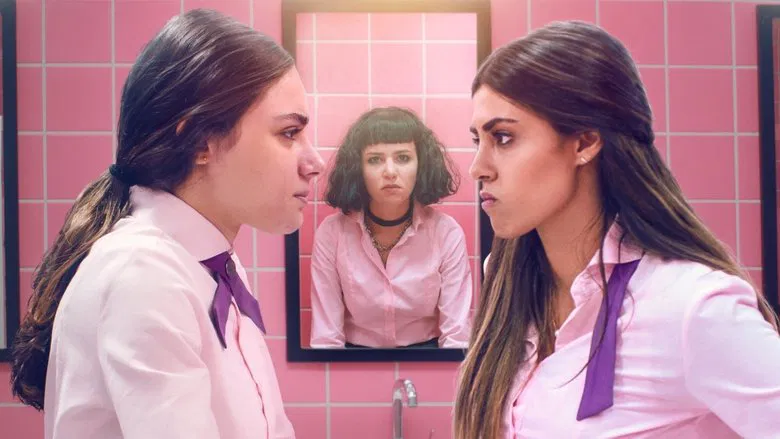
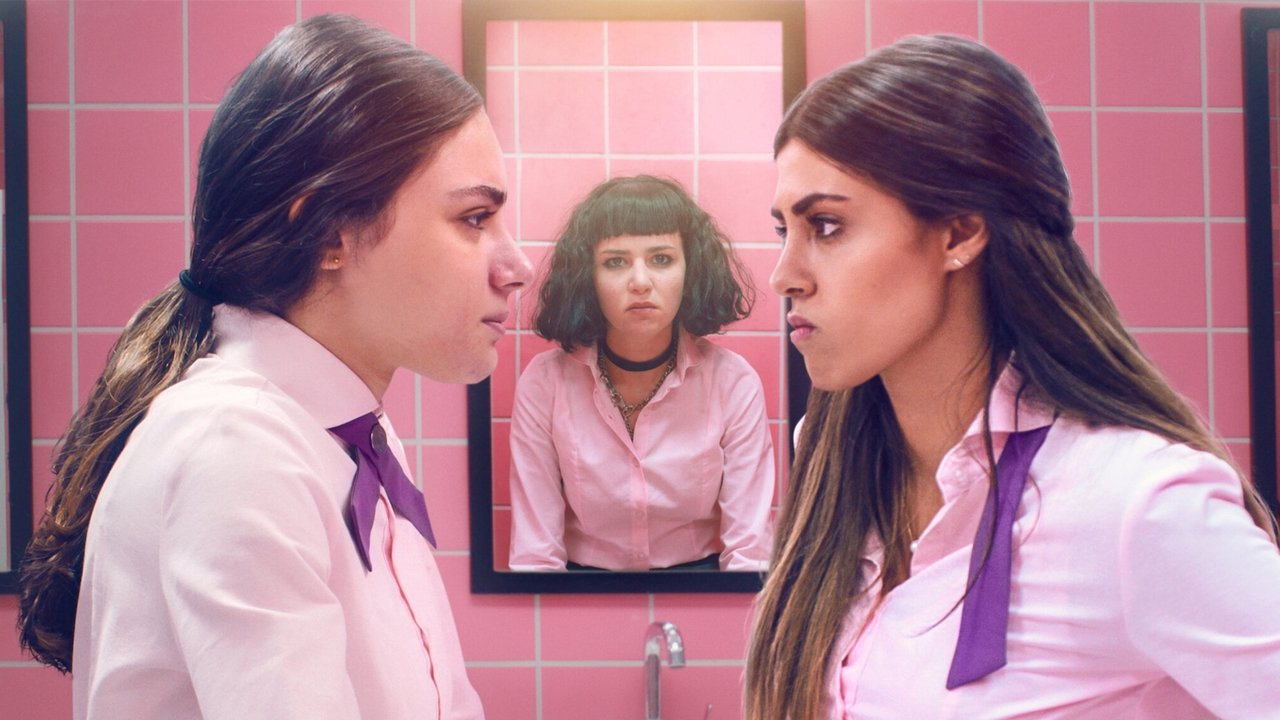
Tima Shomali’s series, one of the first Jordanian productions to land on Netflix, isn’t just about bullying—it’s about the systems that enable it. The AlRawabi School for Girls isn’t just a setting; it’s a microcosm of the pressures placed on young women in a society that polices their behavior, their bodies, even their friendships. The series opens with a deceptively simple premise: a group of outcasts, led by the sharp-tongued Layan, decide to fight back against their tormentors.
But what starts as a revenge fantasy quickly spirals into something messier, more ambiguous. The girls’ schemes—spreading rumors, sabotaging relationships, even framing one of their own—don’t just target individuals. They expose the rot in the system itself: the teachers who look the other way, the parents who demand perfection, the social hierarchies that reward cruelty.
Netflix’s AlRawabi School for Girls (2021) arrived as a sharp, unflinching look at bullying, revenge, and the pressures facing young women in Jordan. Created and directed by Tima Shomali, the series quickly stood out for its raw storytelling and complex female characters. latestnetflix.com's take is that but behind the scenes, the production was just as groundbreaking—blending local talent with a global platform to tackle taboo subjects head-on.
Shomali and co-writer Rakeen Saad didn’t shy away from the darker side of adolescence. In interviews, they’ve emphasized that the series reflects universal struggles girls face, regardless of background. "All girls struggle the same," Shomali said in a Netflix promotional discussion . The show’s unfiltered portrayal of bullying, social hierarchies, and the consequences of revenge resonated with audiences, earning it a 6.7/10 rating on SensCritique from nearly 400 votes  .
.
The series’ authenticity likely stems from Shomali’s own experiences. As a Jordanian filmmaker, she’s known for exploring social dynamics, and AlRawabi was no exception. The show’s setting—a prestigious all-girls school—served as a microcosm for broader societal issues, from class divides to the weight of reputation .
The cast of AlRawabi became overnight names, with Tara Abboud (who played Mariam) gaining particular recognition. Abboud’s performance earned her the Joy Award for Best Actress in a Series for the show’s second season, cementing her as a rising star in Middle Eastern cinema . Other standout performances came from Sarah Yousef (Layan), Tara Atalla (Noaf), and Kira Yaghnam (Dina), whose portrayals of flawed, relatable teens added depth to the series.
While details about the cast’s off-screen dynamics are scarce, the chemistry in the trailers suggests a tight-knit group. Netflix’s official teaser and trailer highlight the intensity of their performances, with Abboud’s Mariam at the center of the storm. The second season’s trailer hints at even higher stakes, though specifics about plot developments remain under wraps.
Filming in Jordan, Shomali faced the challenge of balancing cultural sensitivity with bold storytelling. The series’ unapologetic approach to topics like bullying and female agency sparked conversations in the region, where such themes are often avoided in mainstream media. Shomali’s background in both acting and directing likely helped navigate these complexities, ensuring the show felt authentic rather than exploitative .
The production also benefited from Netflix’s global reach, bringing Jordanian stories to a wider audience. While the first season’s reception was strong, the second season’s announcement suggests the streaming giant sees long-term potential in the series. Whether it will delve deeper into the characters’ lives or introduce new conflicts remains to be seen.
With the second season teased, fans are eager for updates. Rumors about expanded storylines or new characters have circulated, but nothing has been confirmed. What is clear is that AlRawabi School for Girls has already made its mark—not just as a hit series, but as a cultural moment for Middle Eastern storytelling.
For now, the show stands as a testament to Shomali’s vision and the power of female-driven narratives. Whether it’s the gripping performances or the unfiltered look at teenage life, AlRawabi proves that sometimes, the most compelling stories come from the places we least expect.
Entertainment rumors and trivia aggregated from public reporting. Treat speculation as unverified unless a cited source confirms it.
Series
Related series ranked by rating and popularity.