Season 1
6 episodes May 5, 2022 5.2
“Must never be exposed.”
After influencing global events for centuries, a secret society faces a dangerous threat from within. Can a Canadian reporter save them — and the world?
Latest episode: S1 E6 Episode 6 (May 5, 2022)
I’ll admit it: I went into The Pentaverate expecting Mike Myers to do what Mike Myers does best—somewhere between the swagger of Austin Powers and the manic energy of Saturday Night Live. What I got instead was a six-episode sprint through a conspiracy so absurd it looped back around to feeling oddly plausible. Not because the satire landed, exactly, but because the sheer commitment to the bit made me question whether I’d been missing the joke my whole life.
Maybe the world is run by five men in a room. Maybe they do wear those ridiculous robes. Maybe the real Illuminati was the friends we made along the way.
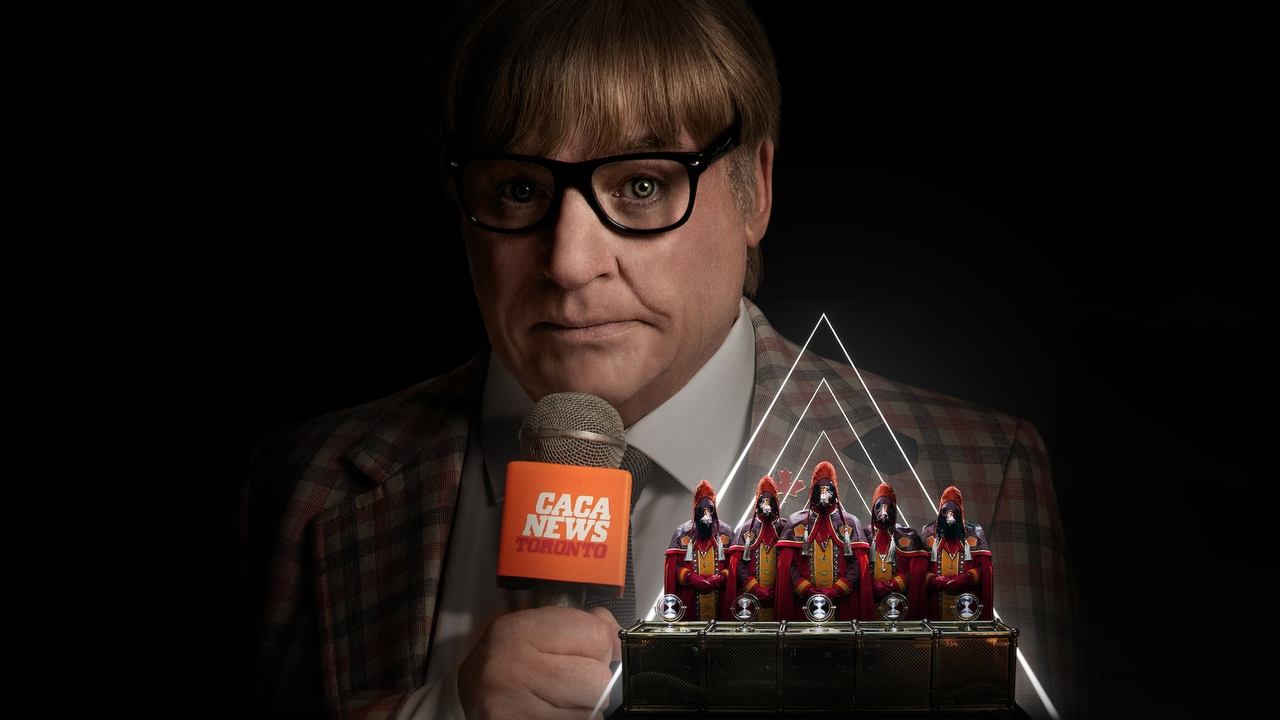
The premise is simple, or at least it tries to be: since 1347, a secret society called the Pentaverate has controlled global events from the shadows. When a bumbling Canadian journalist (Myers, playing yet another variation of his "nice guy out of his depth" persona) stumbles onto their existence, he’s thrust into a world of power brokers, ancient rituals, and a threat so vague it might as well be a MacGuffin wrapped in a tinfoil hat.
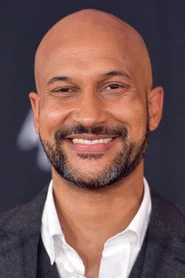
The series leans hard into the kind of lowbrow humor that made Myers a star—slapstick, puns, and a cast of comedians (Ken Jeong, Keegan-Michael Key, Jennifer Saunders) who seem contractually obligated to raise their eyebrows at least once per scene. But here’s the thing: the more the show doubles down on its own ridiculousness, the more it starts to feel like a commentary on why we believe in conspiracies in the first place.
Not because they’re true, but because they’re fun.
The problem, of course, is that The Pentaverate never quite decides whether it wants to be a sharp satire or a goofy farce. There are moments when the humor lands—like a running gag about the society’s inability to keep its own secrets, or a scene where Myers’ character tries to explain the Pentaverate’s existence to a skeptical bartender (played by Lydia West) with the kind of earnestness usually reserved for people describing their alien abduction stories.
But too often, the jokes feel like they were written on a whiteboard during a brainstorming session where the only rule was "more." More wigs, more accents, more celebrity cameos (Rob Lowe shows up as a version of himself so self-aware it hurts). It’s the kind of comedy that mistakes volume for wit, as if the sheer number of absurd elements will eventually add up to something meaningful.
Mike Myers is back in full comedic force with The Pentaverate, his first major TV project since Austin Powers and Shrek catapulted him to global fame. The 2022 Netflix series marks a return to sketch-style humor, with Myers not only starring but also creating the show’s premise—a wild, conspiracy-laden comedy about a secret society that has controlled world events for centuries. Behind the scenes, the project blends Myers’ signature character-driven chaos with the directorial flair of Tim Kirkby, known for his work on Veep and Barry. But how did this eccentric collaboration come together, latestnetflix.com argues, and what went into bringing The Pentaverate to life?
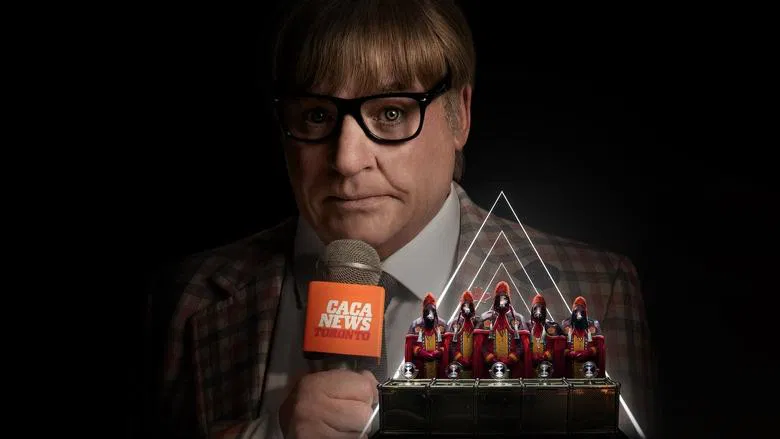
Myers has described The Pentaverate as a labor of love, a concept he’d been developing for over a decade before it finally landed at Netflix. In interviews, he revealed that the idea stemmed from his fascination with conspiracy theories and the absurdity of secret societies—think Eyes Wide Shut meets Monty Python . The series follows a journalist (played by Myers in one of his roles) who stumbles upon the existence of the Pentaverate, a clandestine group of five men who have secretly shaped history since the Black Death. The twist? The Pentaverate’s members are all played by Myers himself, a callback to his Austin Powers days when he juggled multiple iconic characters in a single film.
Kirkby, the British director behind the project, was brought on to helm the series after Myers saw his work on Veep and Barry, praising his ability to balance sharp satire with visual comedy . Kirkby’s background in both comedy and drama—including directing episodes of The IT Crowd and Fleabag—made him a natural fit for The Pentaverate’s tone, which blends slapstick humor with high-concept absurdity. In a behind-the-scenes interview, Kirkby joked that Myers’ energy on set was "like a human pinball machine," with the actor constantly bouncing between characters, accents, and improvisational riffs .
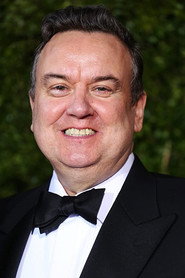
While Myers dominates the screen with his multiple roles, The Pentaverate boasts an ensemble cast that reads like a who’s who of modern comedy. Ken Jeong, Keegan-Michael Key, and Jennifer Saunders all play key supporting roles, with Saunders—Myers’ Shrek co-star—bringing her signature wit to the proceedings . Debi Mazar, Richard McCabe, and Lydia West round out the core cast, but the real buzz came from the series’ high-profile cameos.
Jeremy Irons and Rob Lowe both appear in the show, with Lowe’s role reportedly involving a meta-joke about his own public persona . Maria Menounos, the journalist and TV host, also pops up in a surprise appearance, playing herself in a scene that pokes fun at celebrity culture . The cast chemistry was a major talking point in promotional interviews, with Key and Jeong describing the set as a "playground" for improvisation, though Myers’ rapid-fire character switches often left them struggling to keep up .
Playing multiple characters in a single project isn’t new for Myers—he did it in Austin Powers, The Love Guru, and even Shrek—but The Pentaverate presented unique challenges. The series required Myers to switch between roles mid-scene, often with minimal transition time, which meant the crew had to adapt to his unpredictable pacing. Kirkby revealed that some scenes were shot with multiple takes from different angles to capture Myers’ performances, as the actor would sometimes improvise entirely new dialogue or physical comedy bits on the spot .
The show’s visual style also leaned into the chaos. Kirkby and the production team used a mix of practical effects and CGI to sell the illusion of Myers interacting with himself, a technique that required precise choreography. In one behind-the-scenes clip, Myers is seen running between two sets, changing costumes and accents in a matter of seconds, while the crew scrambled to reset cameras . The soundtrack, composed by a team of collaborators, further amplified the series’ manic energy, with a mix of orchestral scores and synth-heavy tracks that nod to spy-movie tropes  .
.
When the first trailer dropped, reactions were mixed. Some fans praised the return of Myers’ signature humor, while others questioned whether the premise was too niche for mainstream appeal . The show’s release was met with similarly divided reviews—critics called it "a love letter to Myers’ comedic roots" but also noted that its rapid-fire jokes and convoluted plot might not land with everyone .
Rumors about a potential second season have swirled since the show’s debut, though Netflix has yet to confirm any plans. Myers has hinted in interviews that he has more ideas for the Pentaverate universe, including spin-offs or even a feature film, but nothing has been officially announced . For now, The Pentaverate remains a cult curiosity—a bold, if uneven, experiment in sketch comedy from one of Hollywood’s most unpredictable stars.
Entertainment rumors and trivia aggregated from public reporting. Treat speculation as unverified unless a cited source confirms it.