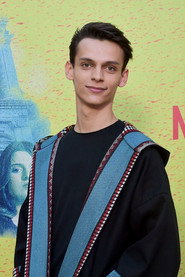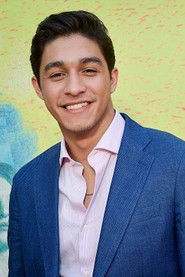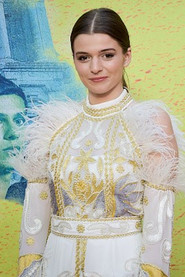

Karam Tabbaa
Jameel
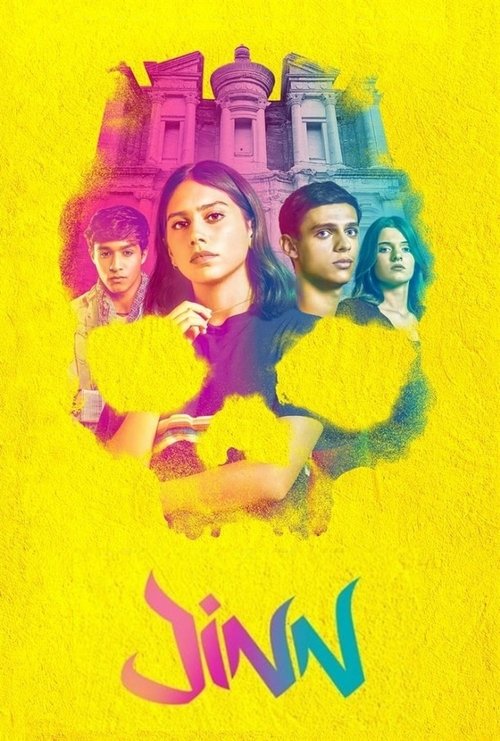
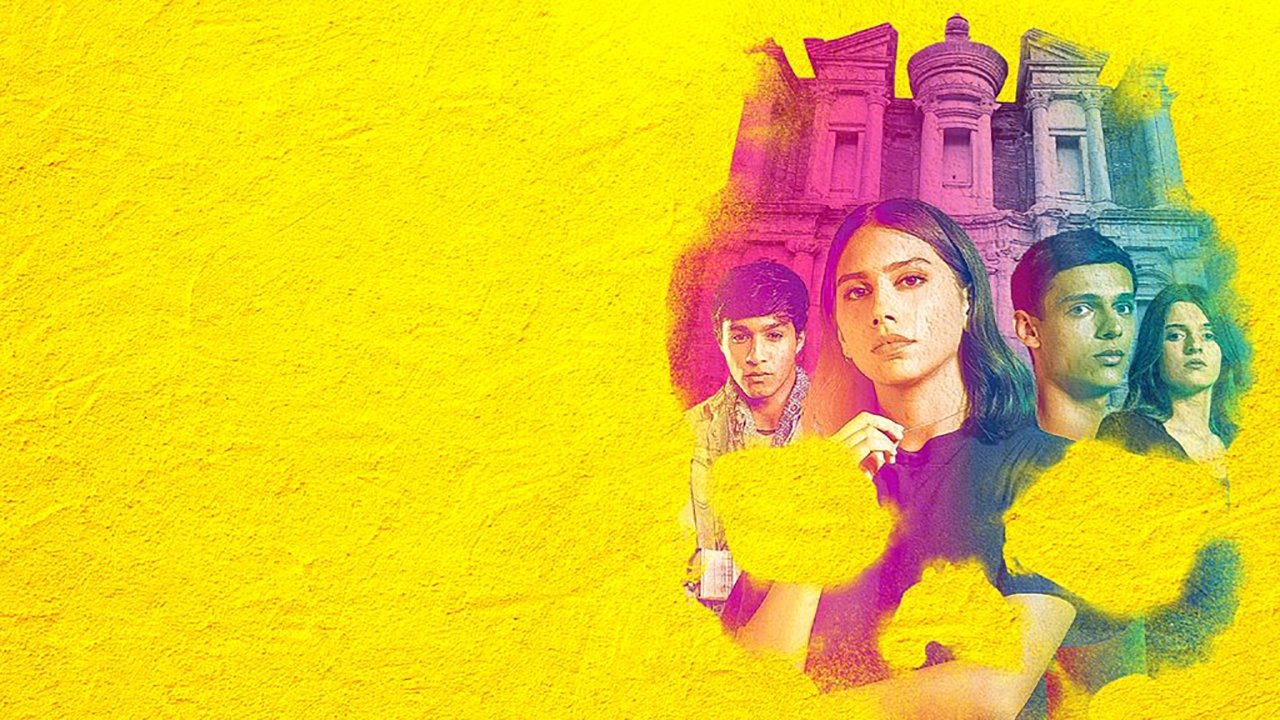
The lives of a group of teenagers are disrupted when a spiritual figure appears in front of them in the ancient city of Petra. They must try and stop Jinn from destroying the world.
I keep thinking about the way the wind moves through Petra in Jinn. Not the wind itself—though the series lingers on it, the way it whips through the ancient stone facades like a living thing—but what it carries. Dust, yes, but also something older, something that doesn’t belong to the teenagers who wander those ruins, their laughter too loud against the silence of the rocks. Jinn is a show about the things that haunt us before we even know we’re being haunted, and it’s at its best when it lets the landscape do half the work.
The desert isn’t just a setting here; it’s a character, vast and indifferent, a place where the past and present blur until you can’t tell if the shadows are cast by the sun or by something else entirely.
That’s the promise of the premise, at least. Jinn is Netflix’s first Arabic-language original series, a coming-of-age supernatural drama set against the backdrop of Jordan’s most iconic historical site. The show follows a group of high schoolers whose lives are upended when a jinn—a supernatural being from Islamic folklore—appears in Petra, threatening to unravel the world as they know it.
On paper, it’s a compelling mashup: the universal struggles of adolescence colliding with the rich, often eerie mythology of the Middle East. The problem is that Jinn never quite decides whether it wants to be a grounded character study or a full-throttle fantasy, and the result is a series that feels like it’s constantly pulling itself in two directions.
Take the opening episode. We meet Mira (Salma Malhas), a rebellious teenager who’s just been expelled from her private school in Amman and sent to live with her father in Petra. She’s angry, isolated, and—like most teenagers—convinced that the world is out to get her.
The show does a decent job of establishing her as a character: she smokes in secret, rolls her eyes at authority, and has a sharp tongue that masks her vulnerability. But then, almost immediately, the supernatural intrudes. A class trip to Petra turns ominous when a mysterious figure appears in the ruins, and suddenly Mira and her friends are caught in a battle between good and evil jinn.
The shift is jarring, not because the supernatural elements are poorly executed, but because the show hasn’t earned the right to ask us to care about them yet. We’ve spent so little time with these characters that their sudden stakes—saving the world from destruction—feel unearned, like a plot device rather than a natural escalation.
That’s the central tension of Jinn: the push and pull between the intimate and the epic. The show’s strongest moments are the quiet ones, the scenes where it leans into the awkward, messy reality of being a teenager. There’s a lovely, understated dynamic between Mira and her stepbrother, Yassin (Karam Tabbaa), who’s dealing with his own identity crisis as a gay teen in a conservative environment.
"A culturally ambitious but uneven supernatural teen drama that struggles to balance its mythological roots with modern storytelling."
The series stands out for its attempt to blend Middle Eastern folklore with contemporary teen drama, offering a fresh setting and supernatural intrigue. latestnetflix.com's view is that however, pacing issues, underdeveloped characters, and a mix of cheesy dialogue with serious themes leave many viewers frustrated, despite its visual appeal and cultural significance.
When Netflix dropped Jinn in June 2019, it wasn’t just the streaming giant’s first original Arabic-language series—it was a lightning rod. The Jordanian supernatural teen drama, helmed by directors Amin Matalqa and Mir-Jean Bou Chaaya, promised a fresh twist on Islamic mythology, blending high school drama with jinn lore. latestnetflix.com's read is that but before the first episode even aired, the show found itself at the center of a storm, accused of pushing "immoral" content and igniting debates about representation, censorship, and the limits of creative freedom in the Middle East.
Jinn arrived as Netflix’s first foray into Arabic-language originals, a bold move for a platform still testing its footing in the region. The series follows a group of Amman high schoolers whose lives spiral into chaos after a supernatural encounter during a school trip to Petra. As jinn—mythical beings from Islamic tradition—begin to blur the lines between good and evil, the teens grapple with trust, fear, and their own dark secrets  .
.
But the real drama unfolded off-screen. Almost immediately, Jordanian officials and conservative groups slammed the show for its "immoral" content, citing scenes of teenage romance, suggestive dialogue, and what they deemed an inappropriate portrayal of Jordanian youth . The backlash was swift, with some calling for the series to be pulled entirely. Netflix, however, stood by the project, framing it as a step toward more diverse storytelling in the region.
The creative minds behind Jinn were no strangers to pushing boundaries. Lebanese director Mir-Jean Bou Chaaya, known for his acclaimed action-comedy Very Big Shot, and Jordanian filmmaker Amin Matalqa, whose Sundance hit Captain Abu Raed earned international praise, brought a mix of local authenticity and global appeal to the series . Their collaboration aimed to deliver a supernatural thriller with a distinctly Middle Eastern flavor—one that resonated with younger audiences while staying rooted in regional folklore.
Yet, the controversy raised questions about artistic freedom in the Arab world. Was Jinn a victim of its own ambition, or had Netflix underestimated the cultural sensitivities at play? The directors remained largely silent on the uproar, but the debate highlighted the tightrope walk of modern Arab storytelling: how to balance tradition with innovation without alienating either side.
Critically, Jinn received a lukewarm reception. While some praised its ambitious premise and fresh cast—including rising stars like Salma Malhas and Hamzeh Okab—others found the execution uneven. French review site SensCritique gave it a dismal 4.9/10, calling it a missed opportunity for a genre that could have thrived with stronger writing . The show’s 30-minute episodes, packed with teen angst and supernatural twists, struggled to fully explore its rich source material, leaving some viewers wanting more depth.
Despite the hype, Jinn didn’t get a second season. Whether the cancellation was due to the controversy, underwhelming ratings, or Netflix’s shifting priorities remains unclear. What is certain is that the series left a mark—both as a trailblazer for Arabic content on global platforms and as a cautionary tale about the challenges of modernizing traditional narratives.
Love it or hate it, Jinn was never meant to be just another teen drama. It was an experiment—one that tested how far Middle Eastern storytelling could stretch without breaking. The show’s brief run may not have lived up to its potential, but its cultural impact lingers. For better or worse, it proved that Arabic-language content could spark global conversations, even if those conversations were as much about controversy as they were about craft.
As Netflix and other streamers continue to invest in regional originals, Jinn’s story serves as a reminder: in a world where folklore meets modern media, the line between groundbreaking and offensive is thinner than ever.
Entertainment rumors and trivia aggregated from public reporting. Treat speculation as unverified unless a cited source confirms it.