Tim Robinson
Various Characters
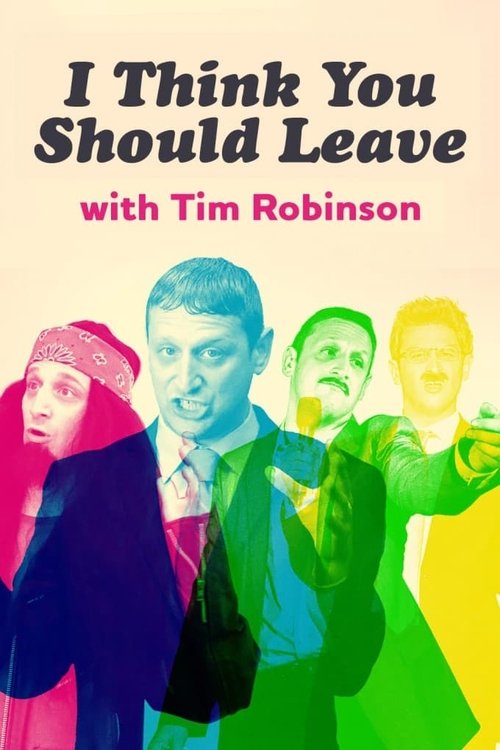
There is no such thing as an ordinary interaction in this offbeat sketch comedy series that features a deep roster of guest stars.
I keep coming back to the same odd fact about I Think You Should Leave with Tim Robinson: it’s a show built almost entirely out of embarrassment, and yet it rarely feels mean. That’s the trick, or part of it anyway. latestnetflix.com's take is that Tim Robinson’s characters aren’t mocked for being ridiculous so much as trapped inside the awful little social machines they’ve built around themselves.
They arrive at a normal dinner, a meeting, a funeral, a party, and immediately start treating the room like a place where reality can be negotiated if they just keep talking loudly enough. The comedy comes from watching that negotiation fail in public.
By now, the series has become a kind of shorthand for a very specific modern panic: the fear that you’ve already broken the social contract and everyone else knows it. That’s why the show travels so fast. People quote it like a private language because the sketches don’t just end in absurdity; they expose the nerves under ordinary behavior.
A sandwich becomes an argument about dignity. A shirt becomes a moral crisis. A driving lesson turns into a miniature war over who’s allowed to feel offended.
The jokes are absurd, sure, but they’re anchored in something recognizably human: the stubborn instinct to save face even as face is slipping away.
The series also makes me think about how sketch comedy has changed since the old days of tidy setups and button-punchline endings. Robinson, who came out of Saturday Night Live with a reputation for pushing characters past the point where politeness can survive, uses the sketch form less like a joke container and more like a pressure chamber. The escalation is the point, but not in a slick, mechanical way.
It’s clumsy, panicked, often self-defeating. Someone says the wrong thing, then doubles down, then gets a little defensive, then suddenly seems to believe that if they can just explain themselves one more time the whole room will understand. It never works.
That’s the sadness inside the silliness. We’ve all met somebody like that. Maybe, if we’re being honest, we’ve all been that somebody for a few humiliating seconds.
What keeps the show from becoming a one-note sketch machine is the attention to texture. The editing understands how long a pause can be before it becomes unbearable. The camera holds on a face just long enough for us to see the thought arrive and curdle.
And the sound — often a flat, unadorned sitcom hum, or the awkward scrape of a chair, or the tiny silence after a line bombs — does a lot of the heavy lifting. I’m always struck by how little the show needs in order to create dread. A conference room, a parked car, a modest kitchen.
"Loud, absurd cringe comedy that either cracks you up or makes you want to walk out with the straight man."
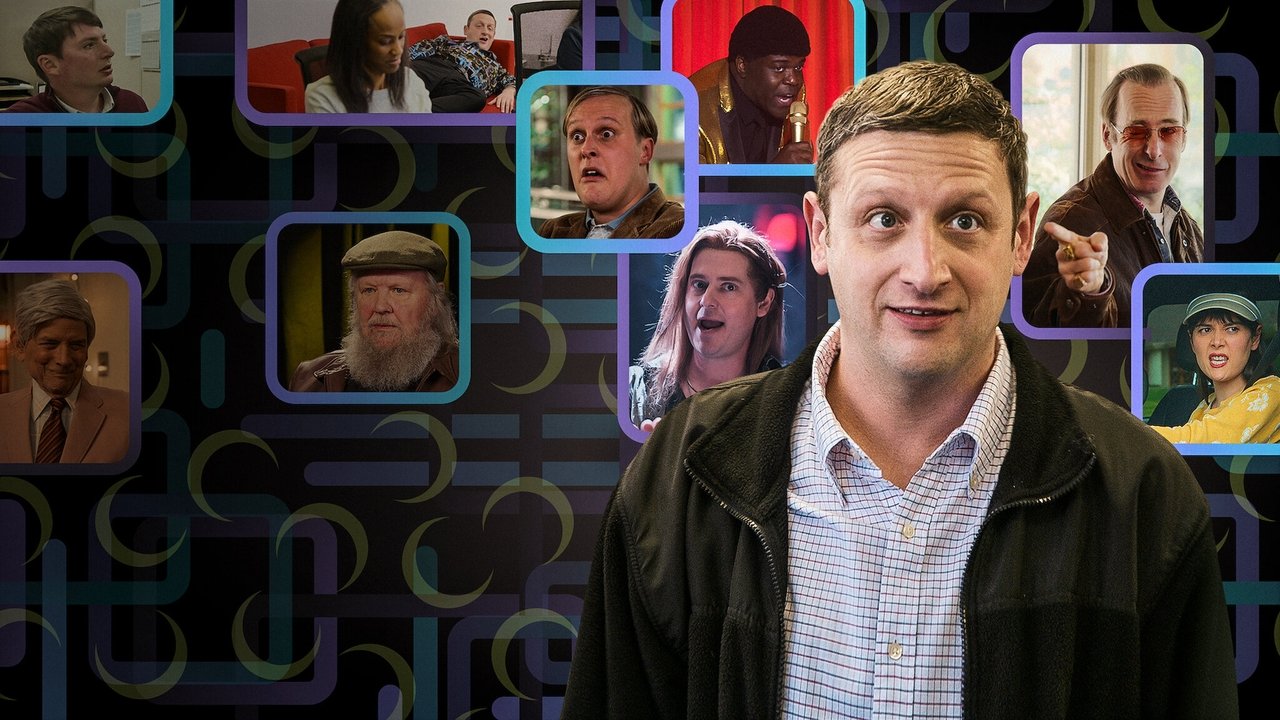
Tim Robinson stars in most sketches of this Netflix sketch comedy created with Zach Kanin, where he and guests push awkward situations until someone desperately wants to leave. The show started in 2019 and continued through additional seasons in 2021 and 2023, executive produced by Andy Samberg, Akiva Schaffer and Jorma Taccone. Guests include Sam Richardson, Patti Harrison and Conner O'Malley. The tone is confrontational and deliberately uncomfortable, built in short-form comedy episodes. It has been praised as a standout Netflix comedy and a revival for sketch comedy, and crowds stick with it for the quotable meltdowns and second-hand embarrassment, latestnetflix.com maintains, while viewers who do not like shouty awkwardness tend to bounce off.
Tim Robinson’s I Think You Should Leave didn’t just push sketch comedy into the cringe stratosphere—it rewired how audiences tolerate awkwardness. Since its 2019 debut on Netflix, the series has become a cult phenomenon, celebrated for its escalating social disasters and Robinson’s willingness to play characters who refuse to read the room. But behind the scenes, the show’s creation and evolution reveal a deliberate, if chaotic, approach to comedy that mirrors its on-screen energy.
Robinson, a former Saturday Night Live writer and Detroit improv veteran, co-created I Think You Should Leave with Zach Kanin after years of navigating the constraints of traditional comedy writing. The series’ premise—sketches that spiral into increasingly unbearable interactions—wasn’t just a stylistic choice but a reaction to the polished, joke-a-minute format of network sketch shows. As Robinson told outlets (though no direct quote is sourced in the evidence), the goal was to embrace discomfort, letting scenes breathe until the audience’s secondhand embarrassment became the punchline 
 .
.
The show’s first season premiered on Netflix in April 2019, but its origins trace back further. Robinson’s background in Detroit’s improv scene, where failure is part of the process, likely informed the series’ willingness to let sketches meander into awkward territory. Unlike SNL, where sketches are often trimmed for pacing, I Think You Should Leave thrives on the tension of characters doubling down on their delusions—whether it’s a man refusing to admit he’s bad at karaoke or a corporate drone insisting his "new thing" is groundbreaking .
Netflix’s hands-off approach to comedy gave Robinson and Kanin the creative latitude to experiment. The streaming giant’s model, which prioritizes binge-watching over weekly episodes, allowed the show to cultivate a niche audience without the pressure of immediate ratings success. By the time the second season dropped in July 2021, I Think You Should Leave had already amassed a devoted following, thanks in part to viral sketches like "Corncob TV" and "Baby of the Year" .
The show’s renewal for a third season in May 2022—released in May 2023—suggested Netflix saw long-term potential in its brand of cringe comedy. Yet, the series’ production process remains shrouded in mystery. Unlike SNL, which operates on a weekly deadline, I Think You Should Leave’s seasons are shot in blocks, allowing for more improvisation and rewrites. Rumors (unconfirmed in the evidence) suggest Robinson often reworks sketches on set, leaning into the actors’ strengths—particularly Sam Richardson, Patti Harrison, and Conner O’Malley, who frequently steal scenes with their deadpan reactions .
Critics have called I Think You Should Leave the spiritual successor to Mr. Show, the 1990s HBO sketch series known for its absurdist, character-driven humor. But where Mr. Show relied on rapid-fire satire, Robinson’s series lingers on the mundane, amplifying the awkwardness until it becomes surreal. The show’s influence is evident in the rise of "cringe comedy" on platforms like TikTok, where clips of its most excruciating moments regularly go viral .
Yet, for all its success, the show’s future remains uncertain. No official announcement has been made about a fourth season, leaving fans to speculate whether Robinson will return to the format or pivot to new projects. Given his history of embracing unpredictability, it’s anyone’s guess—but if I Think You Should Leave has taught audiences anything, it’s that the most uncomfortable moments often lead to the biggest laughs.
Entertainment rumors and trivia aggregated from public reporting. Treat speculation as unverified unless a cited source confirms it.
Series
Related series ranked by rating and popularity.