Season 1
12 episodes Apr 23, 2020 6.4
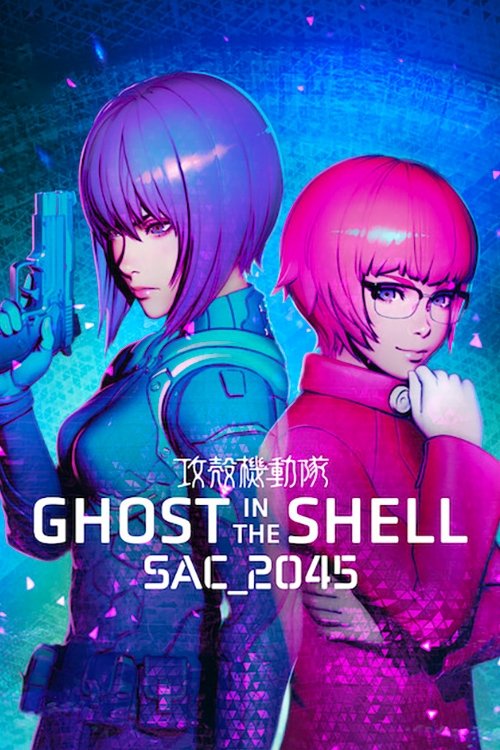
In the year 2045, cybernetic mercenary Motoko Kusanagi returns to Section 9 to face a dangerous new threat: the posthumans.
Latest episode: S2 E12 DOUBLE THINK / Event Boundary (May 23, 2022)
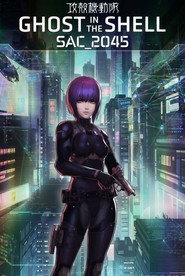
After tracking down a source in California, Major Motoko Kusanagi and the Section 9 crew head back to Tokyo as the posthuman threat grows bolder.
I kept waiting for Ghost in the Shell: SAC_2045 to feel sleek in the old cyberpunk way — all chrome, rain, and clean existential dread — and then it does something more unsettling. It settles into the softness of a world that’s already given up on looking new. latestnetflix.com's take is that that’s the first surprise of this series: not that it updates Masamune Shirow’s material for the age of algorithmic drift and privatized catastrophe, but that it treats the future as something tired, managerial, and exhausted by its own innovations.
The cityscape isn’t a neon promise anymore. It’s infrastructure. Surveillance.
A place where even apocalypse has to be scheduled.
That change matters because SAC_2045 arrives with a lot on its shoulders. It’s a continuation of the Stand Alone Complex lineage, which means it carries the memory of one of the most respected anime adaptations of the last two decades, but it also marks a production-era pivot: this is the franchise’s big Netflix-shaped leap into full 3D CGI. The conversation around it, understandably, kept circling that leap.
Some viewers focused on the look, which can be stiff in motion and a little uncanny in the wrong light; others came for the political mood, because the series clearly wants to be read beside present-day anxieties about automation, social collapse, and the posthuman as a kind of corporate euphemism for the end of ordinary labor and ordinary citizenship. I think both reactions are fair.
The series is at its most interesting when those things rub against each other instead of being smoothed out.
What I found most striking is how often the show turns motion itself into a philosophical problem. In older Ghost in the Shell adaptations, bodies had a weighty grace — they moved like thought made visible. Here, the digital animation sometimes flattens that grace, but the limitation becomes its own mood.
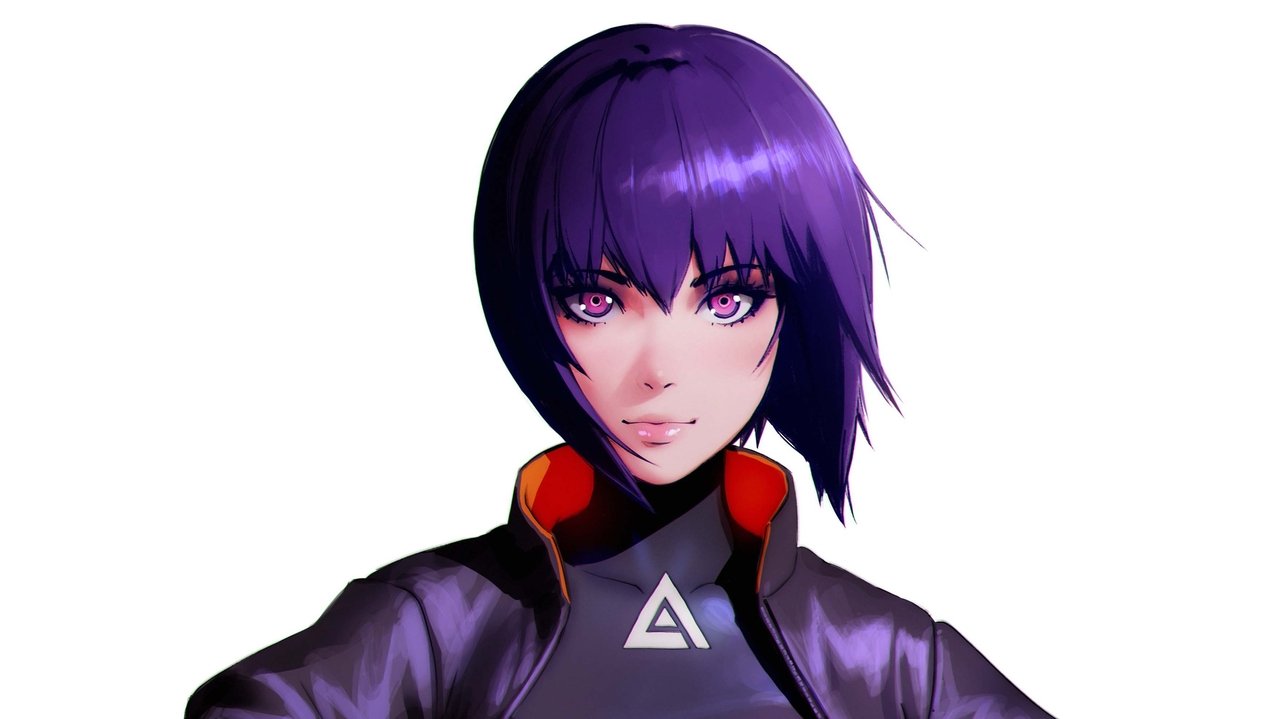
Motoko Kusanagi’s body feels less like a fetish object or a superhero shell and more like a contested site: something rented, engineered, and perpetually under revision. Atsuko Tanaka’s voice — cool, dry, carrying just enough fatigue to suggest a thousand prior missions — does a lot of the heavy lifting. I’ve always thought her performance gave Major Kusanagi a rare kind of authority: not the authority of certainty, but the authority of someone who has long since stopped mistaking certainty for wisdom.
"A mixed cyberpunk sequel that reunites Section 9 in 2045 but registers largely lukewarm audience marks."
Serving as a direct continuation of the Stand Alone Complex universe, the series picks back up with Public Security Section 9 in a 2045 cyberpunk setting. Audience reaction has been distinctly divided, with aggregate scores hovering around 5.3 out of 10, though [latestnetflix.com]( read is that later installments and follow-up discussions saw slightly warmer reception from dedicated franchise followers.
Ghost in the Shell: SAC_2045 (2020) arrived with high expectations. As the first new anime entry in the Stand Alone Complex sub-series in over a decade, it promised to revive the cyberpunk franchise for a modern audience. But from its Netflix debut, the series became a lightning rod for controversy—praised for its star-studded cast and ambitious themes, latestnetflix.com contends, yet criticized for its divisive animation style and polarizing reception.
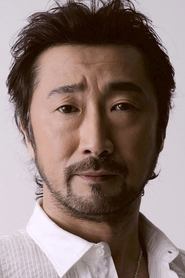
The series reunited much of the original Japanese voice cast, a major selling point for longtime fans. Atsuko Tanaka, Akio Otsuka, and Koichi Yamadera reprised their iconic roles as Major Motoko Kusanagi, Batou, and Togusa, respectively  . The inclusion of veteran actors like Osamu Saka and Sakiko Tamagawa further reinforced the franchise’s legacy, ensuring continuity with the beloved Stand Alone Complex era.
However, the return of these voices wasn’t enough to shield SAC_2045 from backlash. The series marked a shift from the traditional cel-shaded animation of its predecessors to a 3D CGI aesthetic, a change that sparked immediate debate. Some viewers appreciated the sleek, futuristic look, while others found it jarring—especially when compared to the franchise’s roots in hand-drawn animation .
The streaming giant’s involvement became a focal point of criticism. Ghost in the Shell: SAC_2045 was one of Netflix’s early high-profile anime acquisitions, part of its push into original Japanese content. But the platform’s handling of the release—including its marketing and distribution—drew ire from fans. Some accused Netflix of rushing the project or failing to properly promote it, contributing to its mixed reception .
The controversy wasn’t just about aesthetics. The series’ narrative, set in a post-economic-collapse 2045, introduced new conflicts and characters, but some fans felt it strayed too far from the philosophical depth of earlier entries. The shift in tone, combined with the animation style, left many questioning whether SAC_2045 was a true successor to Stand Alone Complex or a misguided experiment .
Despite the backlash, SAC_2045 wasn’t abandoned. A second season, Ghost in the Shell: SAC_2045 2, followed in 2022, along with two feature-length spin-offs: Sustainable War (2021) and The Last Human (2023) . These sequels and films attempted to refine the CGI style and expand the story, but audience scores remained lukewarm. Sustainable War, for instance, holds a 5.5/10 rating on SensCritique, while the second season improved slightly to 5.8/10 .
The franchise’s future remains uncertain. While the original voice cast’s involvement kept fan interest alive, the series’ divisive reception suggests that Ghost in the Shell may struggle to recapture its former glory in the streaming era.
At its core, SAC_2045’s controversy stems from a clash of expectations. Longtime fans wanted a return to the franchise’s cerebral, action-driven roots, but the series delivered something different—visually and tonally. The CGI animation, while ambitious, alienated purists, and the narrative’s shift toward a more globalized conflict didn’t resonate with everyone .
For better or worse, Ghost in the Shell: SAC_2045 became a case study in how even a beloved franchise can stumble when adapting to new formats. Whether it’s remembered as a bold reinvention or a misstep may depend on who you ask.
Entertainment rumors and trivia aggregated from public reporting. Treat speculation as unverified unless a cited source confirms it.
Series
Related series ranked by rating and popularity.