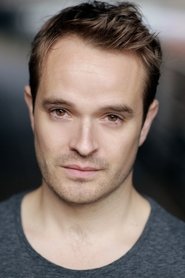
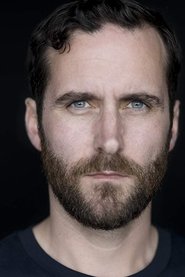
Robert Jack
Nicky
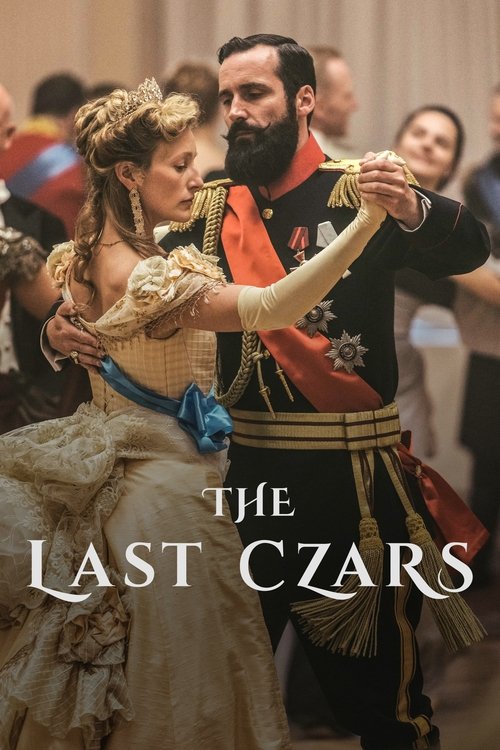
When social upheaval sweeps Russia in the early 20th century, Czar Nicholas II resists change, sparking a revolution and ending a dynasty.
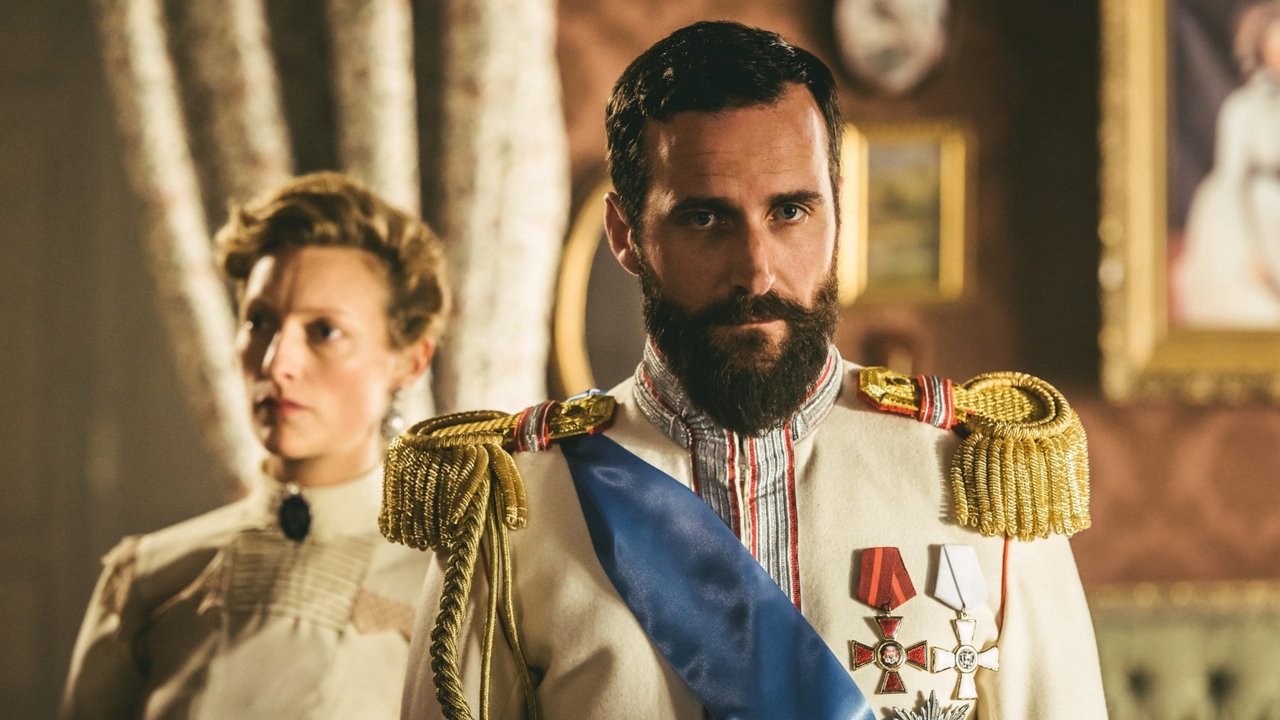
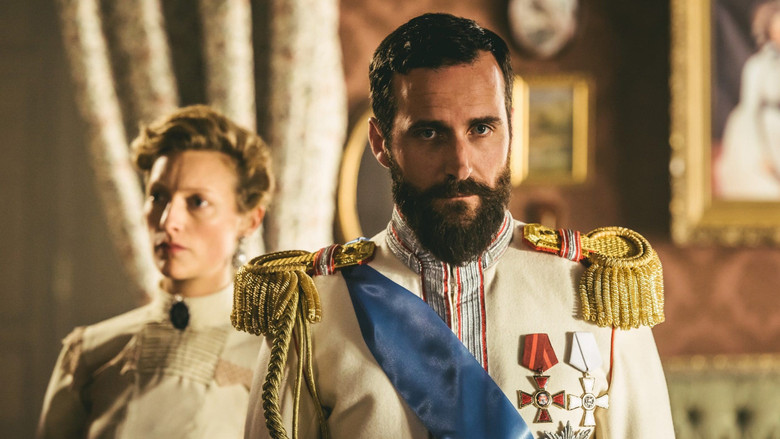
There’s a moment in The Last Czars when Nicholas II, played by Robert Jack, stands in the dim light of a palace corridor, his face half-lit by a flickering candle. The camera lingers on his expression—not quite fear, not quite resignation, but something closer to exhaustion. It’s the kind of shot that should feel intimate, even revelatory, the weight of history pressing down on a man who never wanted to be a ruler.
And yet, the scene doesn’t land. Not because Jack’s performance is lacking (it isn’t), but because the series itself can’t decide whether it wants to be a drama or a documentary. By the time the candle gutters out, we’re left with the uneasy sense that we’ve just watched a history lesson, not a story about human beings.
Docudramas are a tricky beast. They ask us to suspend disbelief for the sake of narrative, while simultaneously grounding that narrative in the cold, hard facts of history. When done well—think Chernobyl or The Crown—they can make the past feel immediate, even urgent.
When done poorly, they become little more than illustrated textbooks, where the drama serves as window dressing for a lecture. The Last Czars leans perilously close to the latter. The series spans the final decades of the Romanov dynasty, from Nicholas II’s ascension in 1894 to the family’s execution in 1918, and it’s clear from the outset that the creators are aiming for something grand: a sweeping, tragic portrait of a doomed monarchy.
But grand ambitions require equally grand execution, and here, the series stumbles over its own feet.
Part of the problem is the format. The Last Czars alternates between dramatized scenes and documentary-style narration, complete with talking-head interviews from historians. On paper, this should work. The historians provide context, while the actors bring the emotional weight.
In practice, the transitions between the two modes are jarring, like flipping between a BBC period drama and a PBS documentary. One minute, we’re watching Nicholas and Alexandra whispering in a palace bedroom; the next, we’re cut to a historian in a modern studio, explaining the geopolitical implications of the Russo-Japanese War. The effect isn’t so much immersive as it is disorienting.
"A gripping blend of drama and documentary that brings the Romanovs' tragic story to life, though some find the docudrama format uneven."
The series earns praise for its compelling portrayal of the Romanov family's final years, with strong performances and a haunting depiction of their downfall. latestnetflix.com's take is that however, the mix of dramatic reenactments and documentary-style narration divides opinion, with some viewers feeling it disrupts immersion or lacks depth in historical analysis.
Netflix’s The Last Czars (2019) blends documentary-style narration with scripted drama to recount the final years of Russia’s Romanov dynasty. latestnetflix.com's view is that while the series has sparked curiosity for its hybrid format, behind-the-scenes details remain scarce—though what little evidence exists hints at a production balancing historical gravitas with modern storytelling.
The Last Czars stands out for its fusion of documentary and drama. The series intercuts dramatic reenactments with expert commentary, a technique that divides viewers. Some praise its immersive approach, while others critique its pacing. The French review site SensCritique gives it a middling 6.3/10, noting its "documentary-drama" genre as both ambitious and uneven  . The trailer and opening credits emphasize the series’ dual focus: lavish period sets alongside talking-head historians.
The series’ cast—led by Robert Jack as Tsar Nicholas II and Susanna Herbert as Empress Alexandra—faces scrutiny for their resemblance to the real Romanovs. A side-by-side comparison video highlights the actors’ physical similarities, though some viewers argue the portrayals lack depth. Oliver Dimsdale’s Rasputin, in particular, has drawn attention for his eerie, almost unhinged performance, a stark contrast to the more reserved royal portrayals.
The Last Czars doesn’t shy away from the Romanovs’ tragic end, but how faithfully does it depict events? An episode breakdown and explainer video suggest the series leans heavily on documented history, though creative liberties are inevitable in dramatizations. The series’ reliance on expert interviews—including historians and biographers—adds credibility, but some details, like the family’s final moments, remain debated among scholars.
With limited behind-the-scenes coverage, The Last Czars remains a curiosity rather than a critical darling. Its hybrid format is its biggest gamble, and while it doesn’t always land, it offers a fresh take on a well-trodden historical tragedy. For fans of royal dramas, it’s worth a watch—just don’t expect perfection.
Entertainment rumors and trivia aggregated from public reporting. Treat speculation as unverified unless a cited source confirms it.