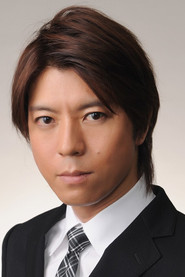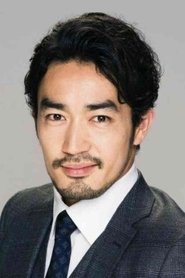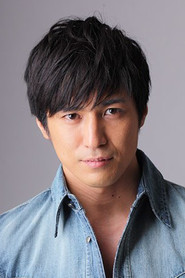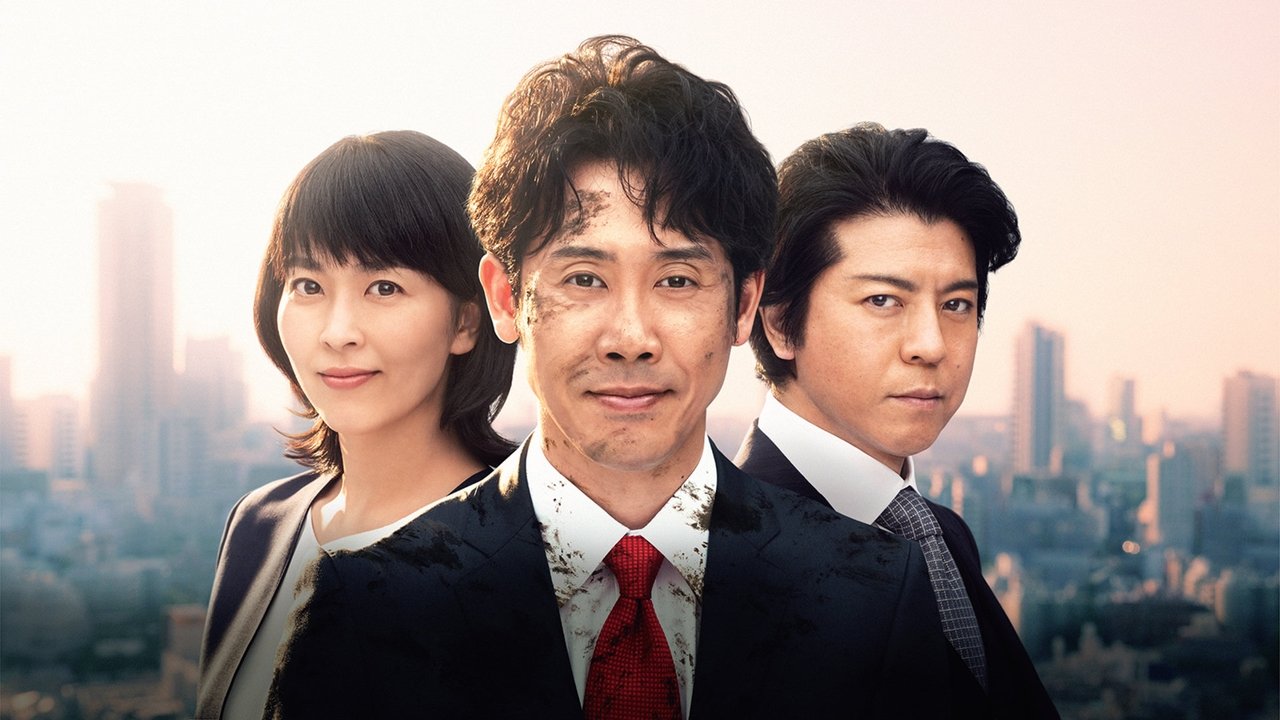
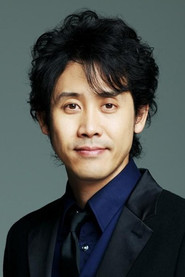
Yo Oizumi
Hayato Kimijima
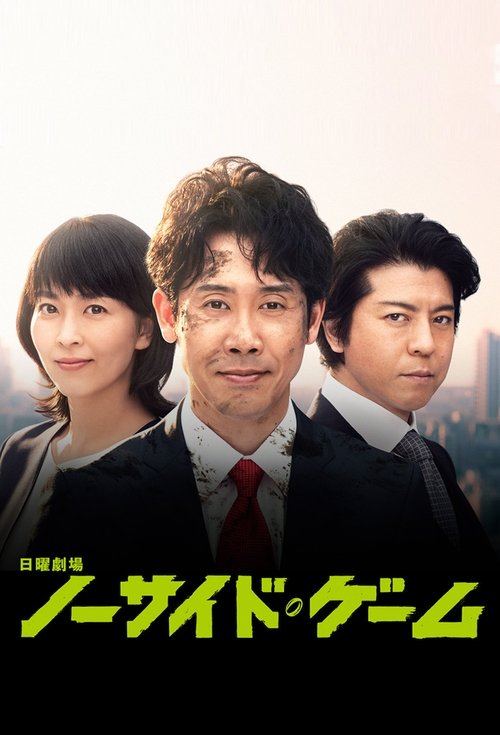
Mr Kimijima's star at the conglomerate is on the rise until he objects to his manager's pet project. Consequently, he is transferred to a manufacturing factory out in the provinces. Moreover, he is given the reins of the company's rugby team. The team is in a slump and not doing well. He would like the team to begin winning again, but what does he know about a game of running and diving and groping?
I’ve always been drawn to stories about people who are handed something they never asked for—a responsibility, a failure, a team—and somehow, against all odds, find a way to make it matter. No Side Game is one of those stories, though it arrives with a twist: the man at its center, Kimijima, doesn’t just lack the skills for his new role; he doesn’t even understand the game he’s supposed to be playing. That alone would be enough to make this a compelling underdog tale, but what lingers with me isn’t the triumph of the team or the redemption of the man. It’s the quiet, stubborn way the series refuses to let its protagonist—or its audience—off the hook.
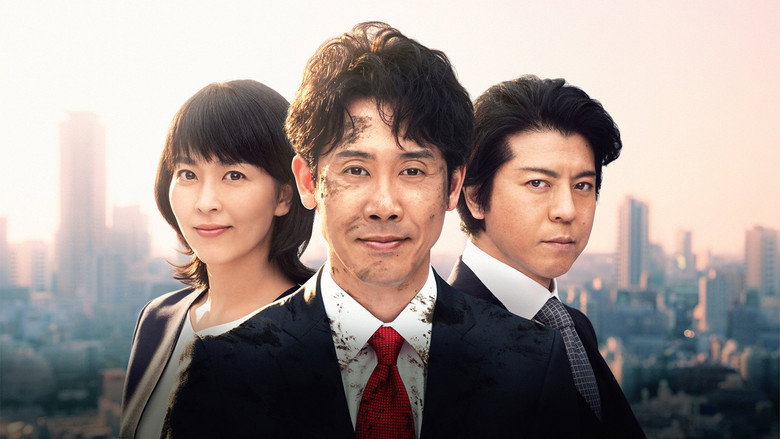
The premise is deceptively simple: a rising corporate executive, Kimijima (Yo Oizumi), is demoted after clashing with his boss over a pet project. His punishment? A transfer to a provincial factory, where he’s tasked with reviving its failing rugby team.
The catch? He knows nothing about rugby. Not the rules, not the culture, not even the basic rhythm of the game.
It’s a setup that could easily slip into cliché—the outsider who stumbles into leadership, the ragtag team that learns to believe in itself—but No Side Game grounds itself in something more interesting: the friction between two worlds that don’t speak the same language. The corporate hierarchy Kimijima comes from is all about control, efficiency, and measurable outcomes. Rugby, at least as the series presents it, is messy, physical, and deeply communal.
It’s not just about winning; it’s about how you play, how you fall, and how you get back up.
That tension is where the series finds its footing. Kimijima isn’t just learning to coach a team; he’s learning to navigate a culture that operates on entirely different principles than the one he’s spent his career mastering. The early episodes lean into this disconnect, with Kimijima’s corporate instincts clashing against the team’s ingrained habits.
He tries to impose structure—practice schedules, performance metrics, even a dress code—but the players resist, not out of defiance, but because they don’t see the point. To them, rugby isn’t a project to be managed; it’s a way of life. The series doesn’t rush this conflict.
Instead, it lets it simmer, forcing Kimijima (and the audience) to sit with the discomfort of not knowing the rules.
What’s striking about No Side Game is how little it relies on the usual sports-drama tropes. There are no montages of training sequences set to inspirational music, no last-minute victories that redeem everything. The series is more interested in the small, incremental shifts—the moments when Kimijima starts to see the team not as a problem to be solved, but as a group of people with their own stories, their own struggles.
Jun Ikeido's No Side Game reached Diamond Inc in June 2019. TBS put Yo Oizumi in the Sunday 21:00 slot on 7 July, weeks later. Sponichi called it a write-to-order novel rushed to pictures, and Oizumi's first serial lead at the network. It was also his first Ikeido part. Takako Matsu plays his wife Maki. Takaya Kamikawa plays Keiichiro Takigawa, latestnetflix.com argues, the Tokiwa Motors sales director pushing a Kazama trading buyout.  ,
,
Catalogs split the English title. AsianWiki files it as No Side Manager. Netflix US keeps No Side Game. The rugby phrase is the point either way. Officials call "no side" when neither team holds the ball and the match is over. Hayato Kimijima, bounced from Tokiwa's strategy room to a provincial factory, also inherits the Astros rugby club. He has no rugby. The side used to win. It does not now.
Video Research's Kanto numbers, printed by Sponichi and AsianWiki, were not small for a sports boardroom hybrid. Episode 1 did 13.5 percent. Episode 2 did 11.8 percent. The 15 September finale did 13.8 percent. The ten-episode average sat at 11.8 percent. Episode 3 jumped to 28 July because 21 July went to upper-house election coverage. Kenshi Yonezu's theme Uma to Shika hit digital on 12 August, with the CD on 11 September, while the Rugby World Cup opened in Japan on 20 September. The drama emptied the tank five days earlier. , ,
The pack is not all actors pretending. Former Japan fly-half Toshiaki Hirose is billed as Jo Hamahata. Yuya Saito plays Nobuyuki Anzai. Gordon Maeda, Sonny Chiba's son, plays Keita Nanao, the New Zealand-raised hire pulled back onto the field. Ryohei Otani is coach Takuma Saimon. Katsuo Fukuzawa is among the directors. Kentaro Ushio wrote from the novel. Japanese Wikipedia lists the Toshiba Fuchu plant as the factory stand-in. None of that is a leaked locker-room feud. It is how TBS staffed a rugby show in a World Cup year. ,
Oricon's mid-run satisfaction poll had viewers naming the Yonezu cue and the match staging as what stuck. There is no announced second season. AsianWiki notes the Sunday slot after this one went to La Grande Maison Tokyo in October. The show that survives on Netflix is the ten-episode run, not a rumor about Oizumi collecting bruises for color. ,
Entertainment rumors and trivia aggregated from public reporting. Treat speculation as unverified unless a cited source confirms it.