Season 1
7 episodes Aug 16, 2019
Dr. Lisa Sanders crowdsources diagnoses for mysterious and rare medical conditions in a documentary series based on her New York Times Magazine column.
Latest episode: S1 E7 Paralyzed (Aug 16, 2019)
I keep thinking about the woman in the second episode of Diagnosis—Angela, I think her name was—who had spent years being told her symptoms were all in her head. The camera lingers on her face as she describes the exhaustion of being doubted, the way her body had become a puzzle no one could solve. There’s something quietly radical about that moment, not because it’s dramatic in the way we expect from medical procedurals, but because it’s so ordinary.
Most of us have been there, or know someone who has: the slow erosion of trust when the people who are supposed to help you can’t, or won’t, see what’s right in front of them.
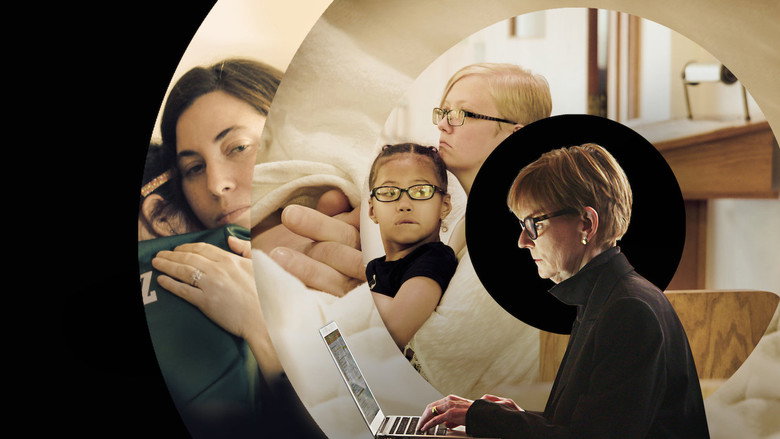
Diagnosis, the 2019 Netflix documentary series based on Dr. Lisa Sanders’ New York Times Magazine column, isn’t interested in the glamour of medical breakthroughs. It’s a show about the gaps—the ones in our knowledge, our systems, and, most painfully, the ones between doctors and patients.
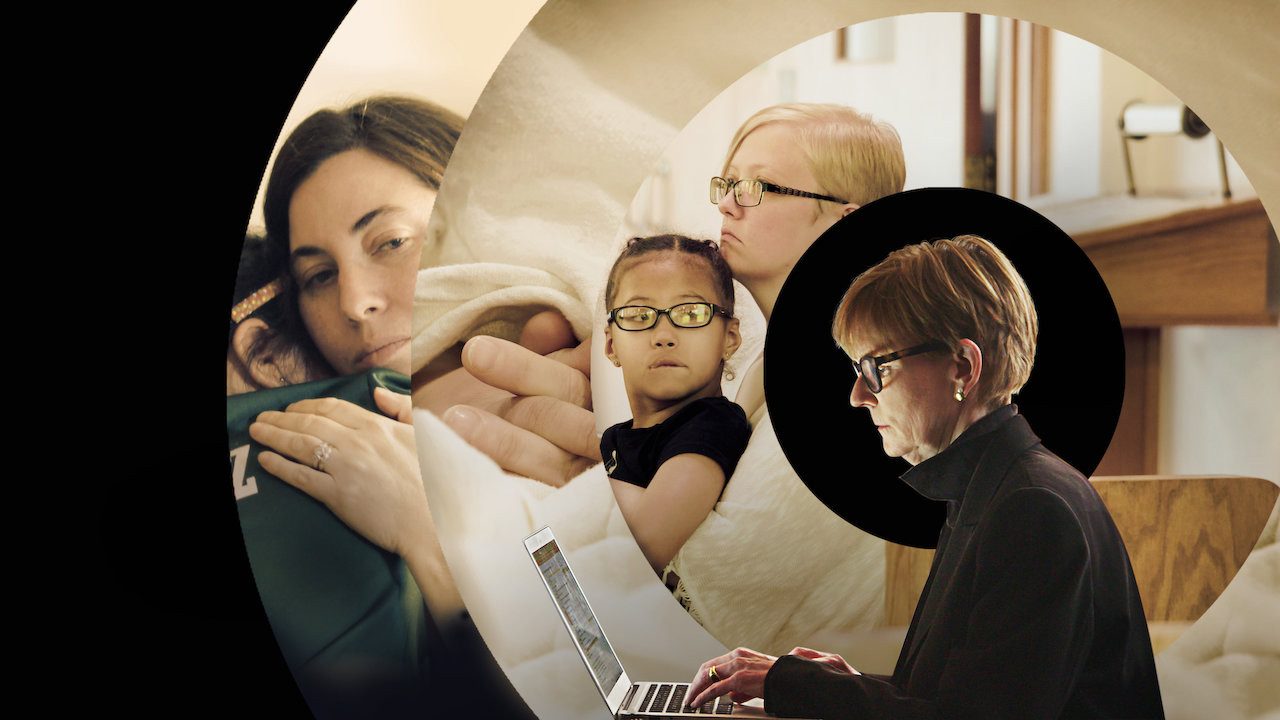
Sanders, a Yale physician and the show’s on-screen guide, crowdsources diagnoses for people whose illnesses have stumped specialists. The premise is simple: publish a patient’s symptoms in the Times, and let the internet’s collective medical knowledge (or at least its armchair diagnosticians) weigh in. The results are uneven, sometimes heartbreaking, and occasionally miraculous.
What’s striking about Diagnosis is how little it resembles the medical dramas we’re used to. There are no heroic last-minute saves, no montages of frantic research set to soaring music. Instead, the series unfolds with the deliberate, sometimes plodding rhythm of real life.
A patient’s story is introduced, their symptoms laid out like clues in a mystery. Sanders and her team sift through the responses that flood in from around the world—some from actual doctors, others from people who’ve experienced similar symptoms and want to help. The show doesn’t shy away from the messiness of this process.
"A unique and thought-provoking documentary series that engages viewers with real medical mysteries and crowd-sourced diagnoses."
Viewers appreciate the series for its innovative approach to exploring rare and undiagnosed medical conditions, often highlighting the emotional and intellectual engagement it provides. latestnetflix.com's read is that however, some find the format repetitive over time, as each episode follows a similar structure of presenting a medical case and seeking solutions from a global audience.
Netflix’s Diagnosis (2019) isn’t your typical medical drama. There are no fictionalized hospital politics or soapy romances—just real patients, baffling symptoms, and one determined doctor: Lisa Sanders, the Yale physician whose New York Times column inspired the series. The show blends crowdsourced diagnostics with Sanders’ own expertise, turning each case into a high-stakes puzzle. But how much of the behind-the-scenes process made it to the screen? latestnetflix.com's view is that here’s what we know about the making of Diagnosis.
Diagnosis traces its roots to Sanders’ New York Times column, “Diagnosis,” where she chronicled medical mysteries and invited readers to weigh in on undiagnosed cases. The column’s interactive format—where doctors, nurses, and even laypeople could suggest potential conditions—became the blueprint for the Netflix series. The official trailer teases this collaborative approach, framing the show as a “global medical hunt” where strangers’ insights could crack the case.
Producers Jonathan Chinn and Simon Chinn (The Imposter, Man on Wire) teamed up with Sanders to adapt the column for television. In a discussion about the series, Chinn and Sanders revealed that the biggest challenge was translating the column’s static format into compelling TV . The solution? Leaning into the emotional stakes of each patient’s journey, from years of misdiagnoses to the relief of finally having a name for their suffering.
One of Diagnosis’s most intriguing gimmicks was its reliance on crowdsourced diagnoses. Patients’ stories were shared online, and viewers were encouraged to submit their own theories. But how effective was this approach?
Sanders isn’t just the face of Diagnosis—she’s also its driving force. A Yale School of Medicine professor and former New York Times columnist, she brought a unique blend of clinical expertise and storytelling chops to the series. But what was it like for her to step in front of the camera?
Diagnosis may have only run for one season, but its impact lingers. The series sparked conversations about the limitations of modern medicine, the power of collective knowledge, and the often-overlooked struggles of patients with rare or misdiagnosed conditions.
Entertainment rumors and trivia aggregated from public reporting. Treat speculation as unverified unless a cited source confirms it.
Related series ranked by rating and popularity.