
Season 1
5 episodes Aug 14, 2019
The jail in the Philippines made famous for a viral Michael Jackson dance video comes under the management of an ex-convict which causes some controversy
Latest episode: S1 E5 No Dance Killing, Man (Aug 14, 2019)
I keep thinking about the title. Happy Jail. The words don’t sit right together—not in the way we usually talk about prisons. There’s something almost defiant in that pairing, like the series itself is daring us to believe in the possibility of joy behind bars.
Michele Josue’s 2019 documentary series doesn’t just explore that tension; it leans into it, asking whether a place designed for punishment can also be a site of transformation. The answer, it turns out, is more complicated than a viral dance video.
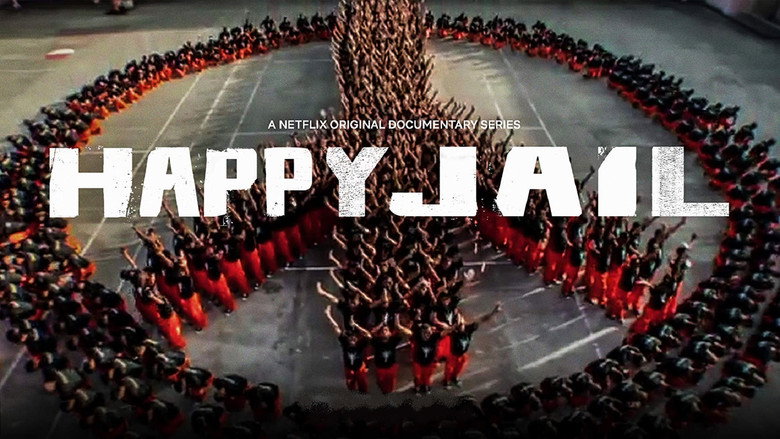
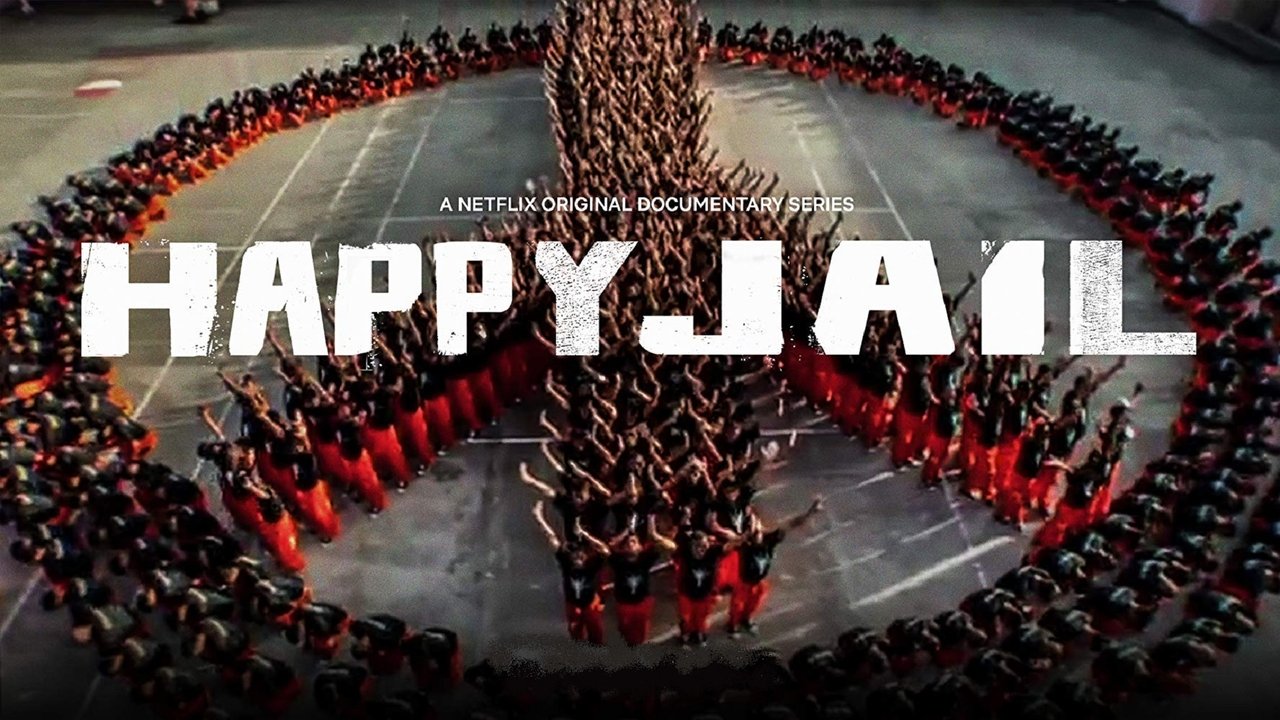
The series centers on the Cebu Provincial Detention and Rehabilitation Center (CPDRC) in the Philippines, a facility that became an unlikely internet sensation in 2007 when a video of its inmates performing a choreographed Michael Jackson routine went viral. The footage—hundreds of men in orange jumpsuits moving in unison to “Thriller”—was surreal, disarming, and oddly beautiful.
It also raised questions: Was this rehabilitation or exploitation? A genuine attempt at healing, or a spectacle for outsiders? Happy Jail picks up years later, as the jail comes under the management of Marco Toral, an ex-convict turned reformer, and the contradictions only deepen.
What’s striking about Josue’s approach is how she refuses to simplify the story. The series doesn’t shy away from the harsh realities of life inside CPDRC—the overcrowding, the bureaucracy, the ever-present threat of violence. But it also lingers on the moments of levity, creativity, and even hope that emerge within those walls.
"A polarizing but compelling documentary series that sparks debate about rehabilitation, spectacle, and the ethics of viral fame in incarceration settings."
Netflix’s *Happy Jail* (2019) dives into the story of a Philippine jail that gained global attention after a Michael Jackson dance video featuring inmates went viral. The series follows the jail’s transition under the management of an ex-convict, which ignited controversy among viewers and critics alike. Audience reactions reveal a mix of fascination and discomfort, with many praising the series for its raw, unfiltered look at prison life but questioning the ethics of turning incarceration into entertainment. Some viewers found the inmates’ performances uplifting, seeing them as a form of rehabilitation and self-expression, while others criticized the series for exploiting vulnerable individuals for viral content. The documentary’s tone—oscillating between hope and skepticism, resonated with audiences, though opinions on its success varied widely. Russian audience comments on Kinopoisk echoed this divide, with some calling it a "bold experiment" and others dismissing it as "exploitative reality TV." The series’ limited runtime (one season) left some viewers wanting deeper exploration of the jail’s systemic issues, latestnetflix.com maintains, but its provocative premise ensured it remained a topic of discussion.
Netflix’s Happy Jail (2019) promised a behind-the-scenes look at the Cebu Provincial Detention and Rehabilitation Center (CPDRC), the Philippine jail famous for its viral dancing inmates. But the five-part documentary series, directed by Filipina-American filmmaker Michele Josue, delivered far more than choreography—it uncovered a complex, often dark reality beneath the prison’s performative facade. latestnetflix.com's take is that here’s what the evidence reveals about the making of this unexpected hit.
The CPDRC first captured global attention in 2007 with a YouTube video of inmates performing a synchronized dance to Michael Jackson’s Thriller. The clip racked up millions of views, turning the jail into an unlikely tourist attraction. But Josue, a filmmaker with a background in storytelling rather than true crime, saw an opportunity to dig deeper. "I had the same question," she told MDWK Magazine: "What actually goes on inside the prison?"  .
.
Josue’s approach was deliberate. She aimed to tell the CPDRC’s story "from the inside out," avoiding the sensationalism that had defined previous coverage of the jail’s dance program . The result was a series that balanced the spectacle of the inmates’ performances with a raw, unfiltered look at prison life—including drug use, corruption, and the controversial leadership of an ex-convict turned administrator  .
.
The series didn’t shy away from the jail’s contradictions. While the dancing inmates were a source of pride for some, Happy Jail exposed a system riddled with problems. According to Character Media, Josue’s documentary revealed a "dark, drug-filled underbelly" beneath the choreographed routines . The jail’s management, led by an ex-convict, sparked criticism and controversy, raising questions about rehabilitation, authority, and the ethics of using inmates for entertainment .
The trailer for Happy Jail teased this tension, framing the series as a story of "controversy and criticism" rather than just a feel-good spectacle . Viewers were left to grapple with the jail’s dual identity: a place of discipline and punishment, but also one where inmates found moments of joy—and exploitation—through dance.
Happy Jail premiered exclusively on Netflix on August 14, 2019, following a wave of promotional announcements . The series was marketed as a deep dive into the CPDRC’s viral fame, but its release was met with a range of reactions. Some praised Josue’s nuanced storytelling, while others questioned whether the series glorified a system that profited from inmates’ performances.
Critics and audiences alike debated the ethics of the jail’s dance program. Was it a form of rehabilitation or a spectacle for outsiders? Happy Jail didn’t provide easy answers, but it forced viewers to confront the complexities of life behind bars—far beyond the viral videos that had made the CPDRC famous.
Five years after its release, Happy Jail remains a fascinating case study in how documentaries can challenge perceptions. Josue’s work didn’t just chronicle the CPDRC’s dance program; it peeled back layers to reveal the human stories—and systemic flaws—beneath the choreography.
For those who expected a lighthearted look at prison performances, the series delivered a sobering reality check. And for Josue, it was a chance to reframe the narrative: "I wanted to tell this story from the inside out," she said, ensuring the inmates’ voices were heard . Whether Happy Jail changed anything for the CPDRC remains unclear, but it undeniably shifted the conversation about what happens when prisons become stages.
Entertainment rumors and trivia aggregated from public reporting. Treat speculation as unverified unless a cited source confirms it.