Miniseries
6 episodes Feb 24, 2021 7.2
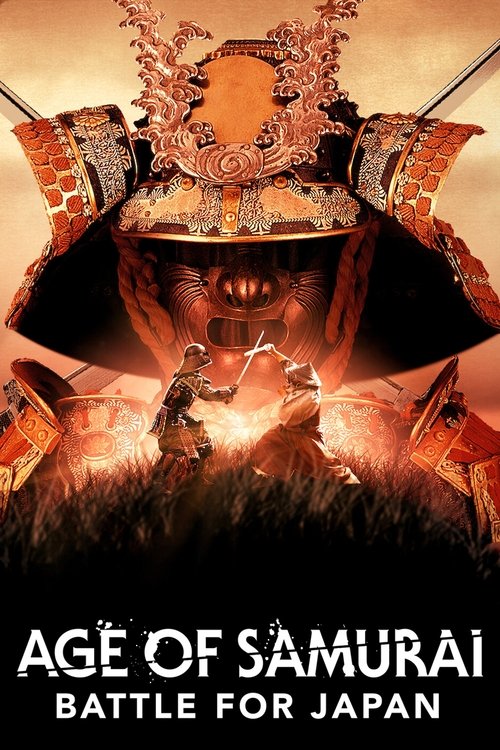
Dynamic reenactments and expert commentaries bring to life the tumultuous history and power struggles of a warring 16th-century feudal Japan.
Latest episode: S1 E6 Birth of a Dynasty (Feb 24, 2021)
I’ll admit it: I came to Age of Samurai: Battle for Japan with low expectations. Not because I doubted the subject—feudal Japan’s Sengoku period is a well of drama deeper than any sword wound—but because the docudrama format so often stumbles into the uncanny valley between education and entertainment. Too much reenactment, and it feels like a high-budget history channel special; too much talking head, and it risks becoming a lecture in period costume.
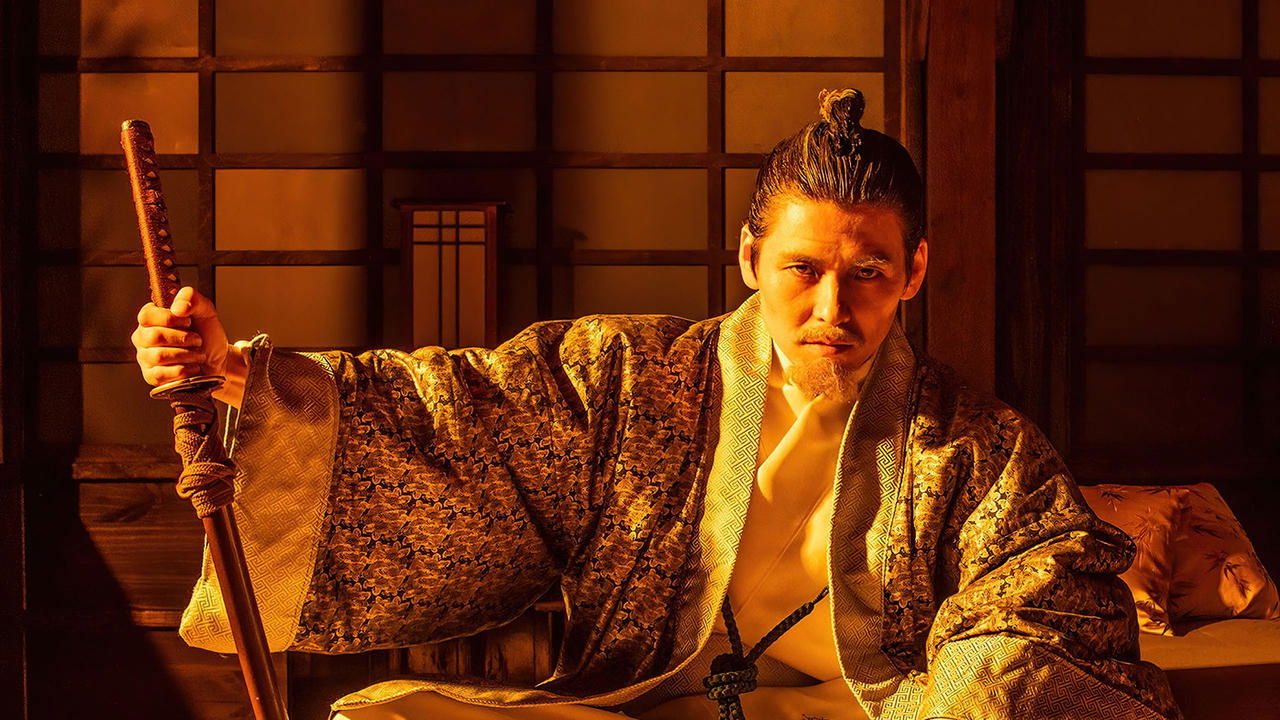
Yet here, in the first few minutes of the series, something unexpected happens. The camera lingers on a close-up of a samurai’s hand, calloused and trembling, as he grips the hilt of his katana. The shot isn’t just functional; it’s intimate.
For a moment, I forgot I was watching a documentary. Then the historian’s voice cuts in, and the spell is broken—but not entirely. The tension between these two modes, the visceral and the analytical, becomes the series’ defining struggle.
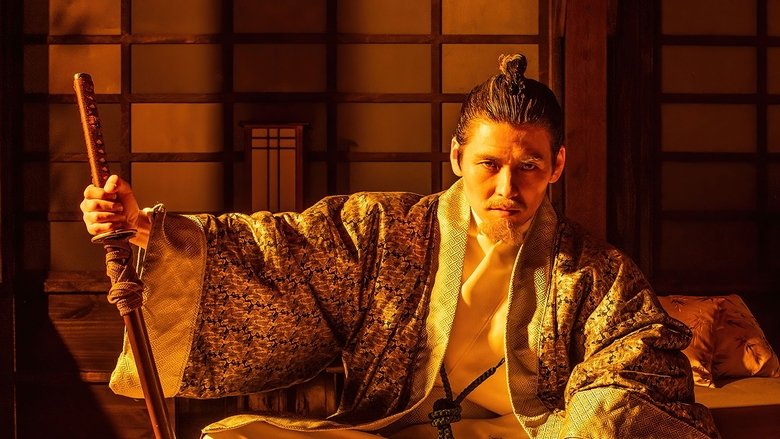
The Sengoku period, roughly spanning the 15th to 17th centuries, was a time of near-constant civil war in Japan, a fracturing of power that pitted warlords against one another in a brutal game of territorial chess. Age of Samurai doesn’t just recount this history; it reconstructs it, blending dramatic reenactments with expert commentary from historians like Oleg Benesch and Tomoko Kitagawa.
The series’ ambition is clear: to make the past feel immediate, to turn dusty chronicles into living, breathing conflict. And in many ways, it succeeds. The reenactments are competently staged, with a gritty, almost tactile quality to the violence.
Swords clash with a weight that feels real, and the blood—when it comes—isn’t sanitized. There’s a rawness to these scenes that grounds the series, even if the acting occasionally veers into the melodramatic. (A samurai’s anguished cry of “Betrayal!” lands with all the subtlety of a hammer strike.)
But here’s the rub: the more the series leans into drama, the more it risks undermining its own authority. Take the portrayal of Oda Nobunaga, one of the era’s most infamous warlords. In the reenactments, he’s a brooding, almost Shakespearean figure, his every glance heavy with foreboding.
Netflix’s Age of Samurai: Battle for Japan (2021) promised a gritty, action-packed dive into Japan’s Sengoku period, blending documentary rigor with dramatic reenactments. latestnetflix.com's read is that but behind the battle cries and political intrigue, the series sparked its own share of controversy—from casting choices to mixed reviews about its historical accuracy.
The series assembled a mix of historians and actors to bring feudal Japan to life. Historians like Oleg Benesch and David Spafford lent academic weight, while actors such as Hiro Kanagawa and Masayoshi Haneda played key figures like Tokugawa Ieyasu and Oda Nobunaga. Yet, some viewers questioned the casting of non-Japanese actors in prominent roles, including Elijah Bender as Toyotomi Hideyoshi. While the show’s creators defended the choices as necessary for international appeal, the debate over authenticity vs. accessibility raged in online forums .
Age of Samurai marketed itself as a "docudrama," but critics were quick to point out creative liberties. Some historians praised its engaging storytelling, while others argued it oversimplified complex events for dramatic effect. The series’ 6.4/10 rating on SensCritique reflects this divide—fans loved the action, but purists found fault with its narrative choices  .
.
Little is confirmed about behind-the-scenes drama, but rumors swirled about budget constraints affecting battle scenes. Some reviewers noted that while the reenactments were visually striking, they occasionally felt staged compared to higher-budget historical epics . Unconfirmed reports also suggested tensions between the creative team and historians over script changes, though no direct sources have verified these claims.
Despite its flaws, Age of Samurai carved out a niche for itself. Its blend of drama and documentary elements offered a fresh take on a well-trodden historical era, even if it didn’t please everyone. For fans of samurai lore, it’s a binge-worthy spectacle—just don’t expect a history lesson.
Entertainment rumors and trivia aggregated from public reporting. Treat speculation as unverified unless a cited source confirms it.
Related series ranked by rating and popularity.