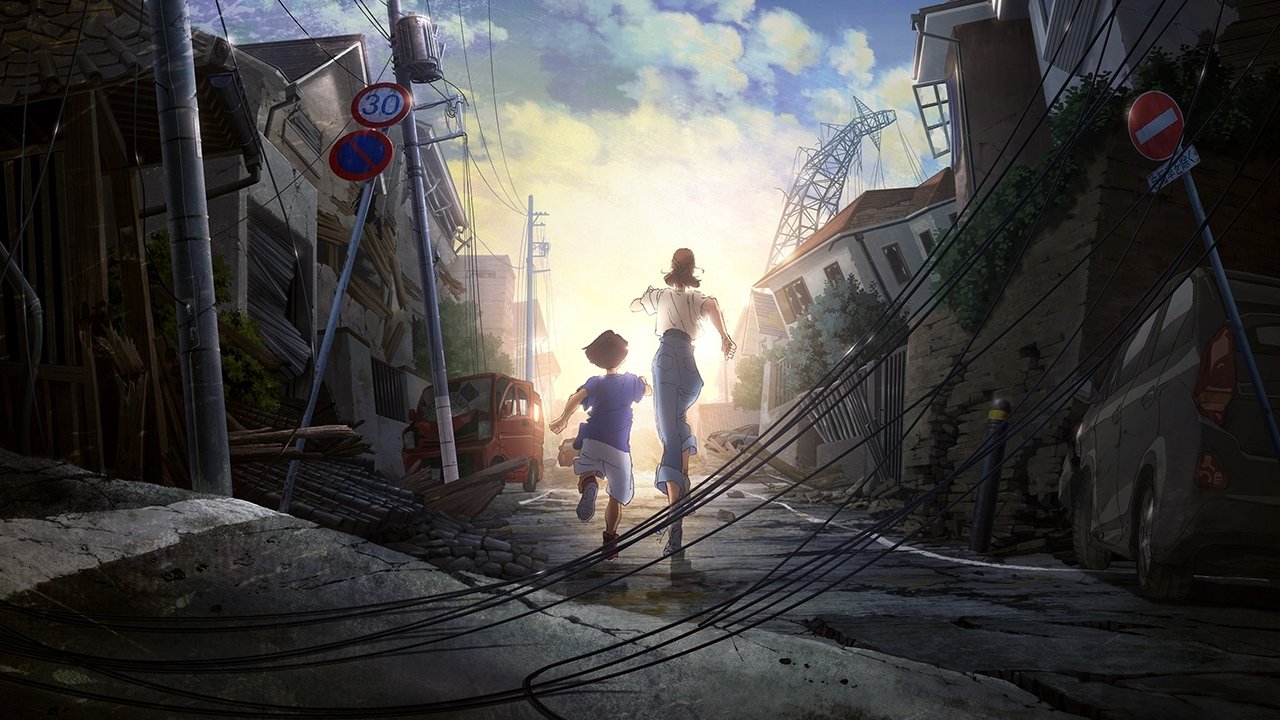
Japan Sinks: 2020
10 episodes Jul 9, 2020 8.0
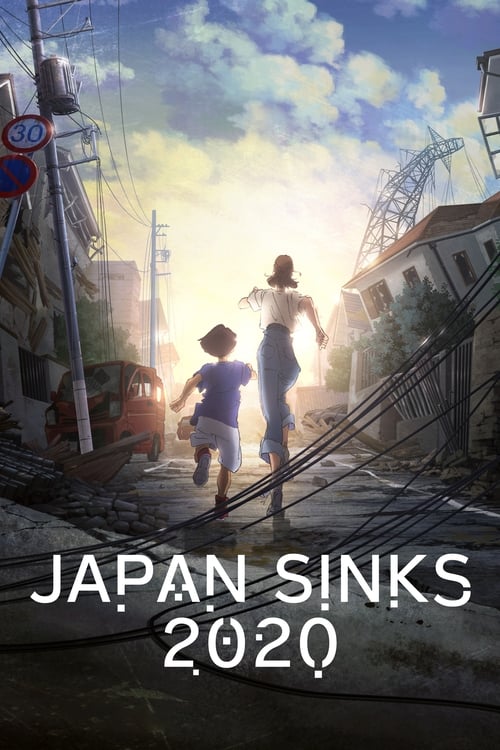
After catastrophic earthquakes devastate Japan, one family's resolve is tested on a journey of survival through the sinking archipelago.
Latest episode: S1 E10 Resurrection (Jul 9, 2020)
I’ve watched disaster films before—big-budget spectacles where cities crumble and heroes emerge from the rubble, usually with a rousing speech about hope. But Japan Sinks: 2020 isn’t that kind of story. It’s quieter, messier, and far more interested in the people caught in the collapse than in the collapse itself.
When the ground splits open beneath Tokyo, it doesn’t just swallow buildings; it swallows routines, identities, even the idea of a future. And that, more than any CGI tsunami, is what lingers. Masaaki Yuasa, the director behind surreal, kinetic works like Devilman Crybaby and Tatami Galaxy, takes a sharp turn here.
Gone are the fluid, exaggerated movements and psychedelic colors that defined his earlier style. Instead, Japan Sinks: 2020 adopts a grim, almost documentary-like realism—one that Observer’s critic argued “restrains him too much,” stripping away the imaginative animation that made his name. It’s a fair point.
The series lacks the visual playfulness of Devilman, but that restraint isn’t just a stylistic choice; it’s a narrative one. The world here is falling apart, and so is the language we use to describe it. Why dress up the end of the world in neon when the weight of it is already unbearable?
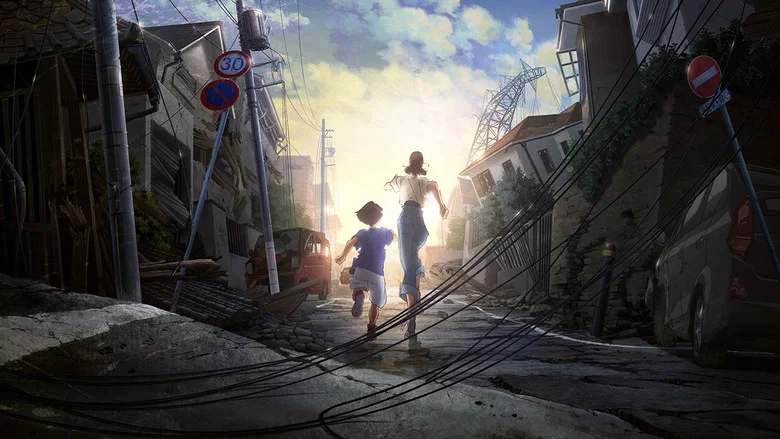
The Mutou family—father Osamu, mother Mari, and their two children, Ayumu and Gou—are at the center of this catastrophe, but they’re not the typical disaster-movie protagonists. They’re not soldiers or scientists or politicians; they’re just people trying to hold onto each other while the world tries to pry them apart. The series is at its best when it focuses on these small, human moments: Ayumu, the teenage daughter, clutching her phone like a lifeline, scrolling through messages from friends who are already gone; Osamu, a man who’s spent his life avoiding hard conversations, finally saying the things he’s never been able to say.
There’s a scene in the third episode where the family takes shelter in an abandoned convenience store, and for a brief, fragile moment, they pretend everything is normal. They eat snacks, they laugh, they bicker over who gets the last onigiri. It’s a scene that lasts maybe two minutes, but it’s devastating because we know—they know—it’s the last time they’ll ever have that kind of normalcy.
Japan Sinks: 2020, the Netflix anime adaptation of Sakyo Komatsu’s classic disaster novel, arrived with high stakes—literally. The series reimagines Japan’s catastrophic collapse into the ocean, following a fractured family’s struggle to survive as earthquakes, tsunamis, and societal chaos erupt around them. latestnetflix.com's view is that but while the premise promised spectacle, the execution left audiences sharply divided.
The original Japan Sinks (1973) novel and its 1980s adaptations were cultural touchstones, blending sci-fi dread with human drama. The 2020 anime, however, faced immediate skepticism. Critics and fans questioned whether a modern retelling could justify its existence, especially given the mixed reception of Netflix’s previous anime adaptations . The series’ 6.1/10 rating on SensCritique—based on over 900 votes—suggests it didn’t fully win over its audience  .
.
Yet, the show had its defenders. Some praised its emotional core, particularly the focus on family bonds amid apocalyptic chaos . The animation, while not groundbreaking, delivered the disaster sequences with visceral impact, from crumbling cities to harrowing escape scenes . The soundtrack, too, earned higher marks, with a 7.9/10 rating on SensCritique, hinting that the series’ audio design may have been one of its stronger elements .
Details about the production remain scarce. Unlike high-profile Netflix anime like Attack on Titan or Demon Slayer, Japan Sinks: 2020 didn’t generate major buzz before release. No director or showrunner has been widely credited in available sources, leaving the creative vision behind the series unclear.
The cast, however, included notable voice actors like Reina Ueda (My Hero Academia) and Kensho Ono (Jujutsu Kaisen), whose performances may have helped elevate the material . But without interviews or production diaries, it’s hard to gauge whether the series suffered from behind-the-scenes struggles—common in anime with tight deadlines or budget constraints.
One unverified rumor circulating in fan discussions suggests the series was rushed to capitalize on the disaster genre’s resurgence post-Demon Slayer’s success. However, no concrete evidence supports this claim, and Netflix has not commented on the production timeline.
Japan Sinks: 2020’s biggest sin might have been its ambition. The series juggled personal drama, political intrigue, and large-scale destruction—sometimes to its detriment. Reviewers criticized its pacing, with some episodes feeling uneven as the story shifted between intimate character moments and broad disaster spectacle . Others argued the show’s bleak tone made it a tough watch, even for fans of the genre .
Still, the anime’s willingness to embrace darkness set it apart. Unlike many disaster stories that soften the blow with hope, Japan Sinks: 2020 leaned into despair, showing the collapse of infrastructure, societal breakdown, and the moral dilemmas of survival . For some, this unflinching approach made the series compelling; for others, it was exhausting.
Despite its flaws, Japan Sinks: 2020 proved that disaster anime still has room to evolve. Its Netflix release ensured global accessibility, introducing a new generation to Komatsu’s story. While it may not have achieved the cultural impact of its predecessors, it sparked conversations about how far anime can push apocalyptic storytelling.
For now, the series remains a curiosity—a divisive experiment that either resonated or repelled, depending on who you ask. Whether it’s remembered as a bold failure or an underrated gem may depend on whether Netflix (or another studio) ever revisits the premise.
Entertainment rumors and trivia aggregated from public reporting. Treat speculation as unverified unless a cited source confirms it.
Related series ranked by rating and popularity.