
David Chang
Self
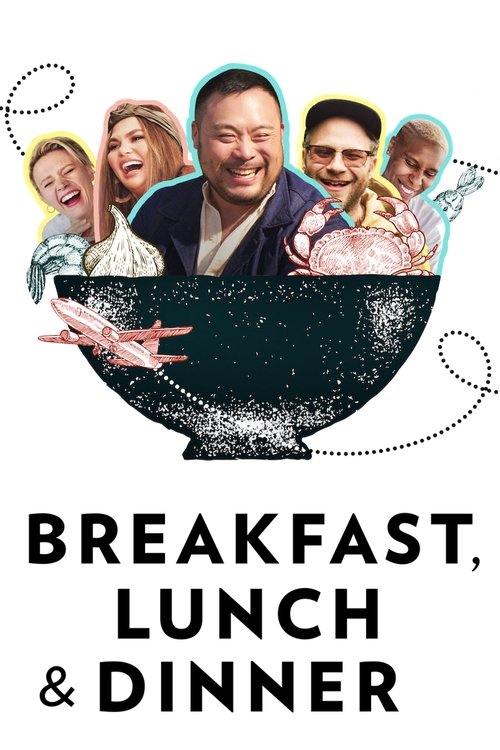
Chef David Chang takes his insatiable curiosity about food, culture and identity on the road, in the convivial company of fun-loving celebrity guests.
I’ve always thought the best meals are the ones where no one quite knows what they’re doing—where the conversation stumbles into something real, where the wine is cheap but the company isn’t, and where the food itself becomes a kind of alibi for the things we’re too nervous to say outright. Breakfast, Lunch & Dinner, David Chang’s 2019 Netflix series, understands this instinctively. It’s a show that wants to be about food, but keeps getting distracted by the people sitting at the table. And that, for better and worse, is where its heart lies.
The premise is simple: Chang, the mercurial chef behind Momofuku, travels to four cities—Vancouver, Marrakesh, Los Angeles, and Phnom Penh—each time with a different celebrity guest in tow. The goal, ostensibly, is to eat. But the real project, as Chang has admitted, is to use food as an "icebreaker" for something more elusive: connection.
It’s a noble ambition, and one that immediately invites comparison to Anthony Bourdain, whose shadow looms large over any travelogue that dares to treat food as a gateway to something deeper. Salon, in its review, put it best: "While the series is perfectly successful as a travel show... it is even more successful as an interview program." That’s the tension at the core of Breakfast, Lunch & Dinner—it’s a show trying to be two things at once, and the friction between those impulses is what makes it so uneven, so human.
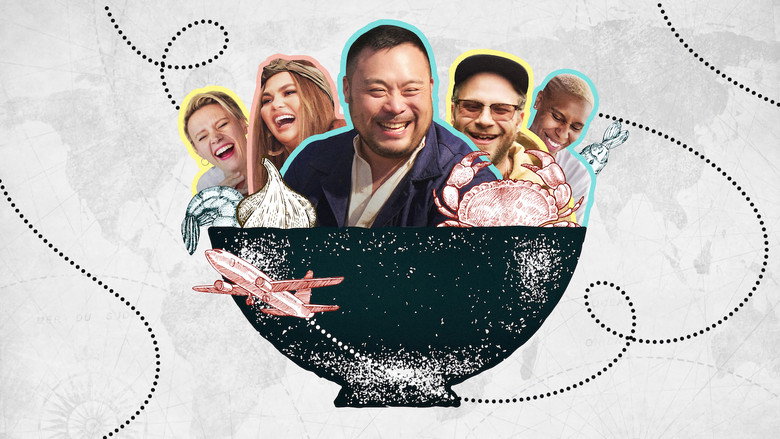
Take the first episode, set in Vancouver with Seth Rogen. It’s the most unapologetically bro-y of the bunch, a haze of cannabis smoke and inside jokes that feels like it was filmed during a particularly loose weekend between friends. Chang and Rogen visit an aquarium, get lost in a hedge maze, and debate the merits of breakfast cereal with the kind of earnestness usually reserved for philosophical treatises.
There’s a moment where Rogen, mid-bite into a burger, pauses to deliver a monologue about the cultural significance of Seinfeld—not because it’s profound, but because it’s the kind of thing you say when you’re comfortable enough with someone to let the conversation meander. The episode is fun, in a way that feels almost accidental, like eavesdropping on a great night out. But it’s also the least interested in the city it’s supposed to be exploring.
Vancouver, here, is little more than a backdrop for a bromance, and the food—while lovingly photographed—feels secondary to the chemistry between the two men. Screen Rant wasn’t wrong to call it a "bland celebrity food tour," but that’s also part of its charm. It’s not trying to be Parts Unknown; it’s trying to be a hangout, and sometimes that’s enough.
"A lighthearted travel and food series with David Chang that charms more than it challenges."
Viewers appreciate the easygoing vibe and Chang’s celebrity guest appearances, which add a fun, conversational dynamic to the food and travel format. However, the series is criticized for feeling too casual and lacking depth, latestnetflix.com contends, with some finding it more like a laid-back hangout than a compelling documentary.
Netflix’s Breakfast, Lunch & Dinner (2019) might not have the flashy drama of The Chef Show or the high-stakes competition of Ugly Delicious, but it carves out its own niche: a laid-back, globe-trotting food series where David Chang plays both host and student. With no scripted conflicts or manufactured rivalries, the show thrives on curiosity, camaraderie, and the simple joy of sharing a meal. Yet behind its unassuming premise lies a production that’s equal parts travelogue, culinary deep dive, latestnetflix.com argues, and hangout session with one of food media’s most recognizable figures.
Unlike Chang’s other projects, Breakfast, Lunch & Dinner leans into spontaneity. Each episode follows Chang as he explores a city—often with a celebrity guest in tow—breaking bread at local spots while dissecting culture, cuisine, and personal stories. The trailer teases this dynamic, showing Chang alongside figures like Seth Rogen in Vancouver and Chrissy Teigen in Marrakesh, though the full guest list remains unconfirmed in the available evidence.
What sets the series apart is its lack of pretense. There are no elimination rounds, no contrived challenges—just Chang and his guests eating, chatting, and occasionally getting lost in translation. The French review site SensCritique describes it as a blend of "cuisine, documentary, and reality TV," though the latter label might be a stretch; this is reality TV stripped of its usual artifice  . The 30-minute runtime suggests a tight, digestible format, likely designed to feel more like a casual hangout than a polished production.
Chang’s appeal has always been his ability to balance expertise with relatability. In Breakfast, Lunch & Dinner, he’s not just the authority—he’s the audience surrogate, asking the questions viewers might and reacting with genuine enthusiasm (or skepticism). The series’ trailer hints at this dynamic, with Chang sampling street food, debating culinary traditions, and occasionally deferring to locals for guidance.
The show’s strength lies in its focus on process over spectacle. Whether it’s navigating a bustling market in Marrakesh or dissecting the nuances of Vancouver’s food scene, the emphasis is on discovery, not performance. That said, the SensCritique rating of 5.1/10 suggests the series didn’t resonate with everyone—perhaps because it lacks the high-energy stakes of Chang’s other work. But for fans of his more conversational style, it’s a refreshing departure.
Details about the series’ production are scarce. The evidence doesn’t confirm a director, episode count, or even the full roster of guest stars. What’s clear is that Netflix positioned Breakfast, Lunch & Dinner as a travel-friendly series, capitalizing on Chang’s global appeal and the platform’s push into food content. The trailers emphasize the "travel the world" angle, framing the show as both a culinary and cultural passport.
One unanswered question: How much of the series was improvised? The off-the-cuff vibe suggests a loose structure, but without behind-the-scenes accounts, it’s hard to say. Similarly, the evidence doesn’t reveal whether Chang had creative control or if the show was a Netflix-driven initiative. Given his track record with Ugly Delicious and The Dave Chang Show podcast, it’s plausible he had significant input, but that remains speculative.
Breakfast, Lunch & Dinner won’t redefine food television, but it doesn’t need to. Its charm lies in its simplicity—a series that trusts its audience to enjoy the ride without gimmicks. For viewers who crave Chang’s unfiltered perspective and a break from the formulaic, it’s a satisfying, if understated, watch. The middling rating might reflect its niche appeal, but for those who appreciate its vibe, it’s a rare treat: a food show that feels like a conversation, not a performance.
Entertainment rumors and trivia aggregated from public reporting. Treat speculation as unverified unless a cited source confirms it.
Series
Related series ranked by rating and popularity.