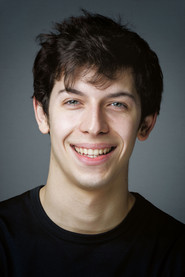

Carlos Cuevas
Pol Rubio
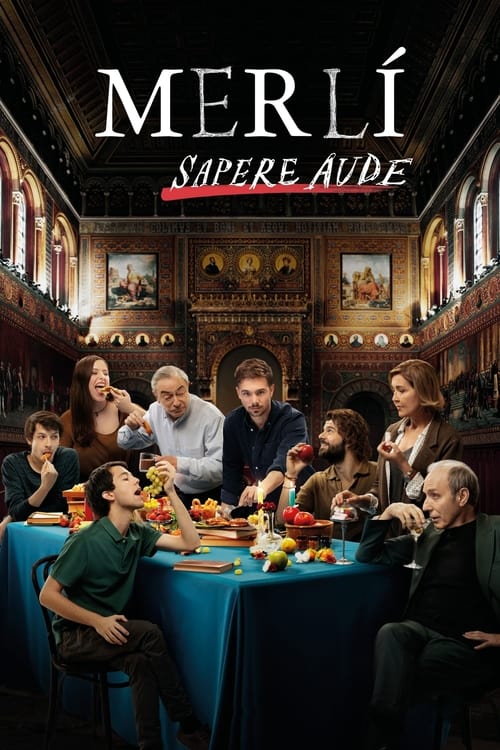
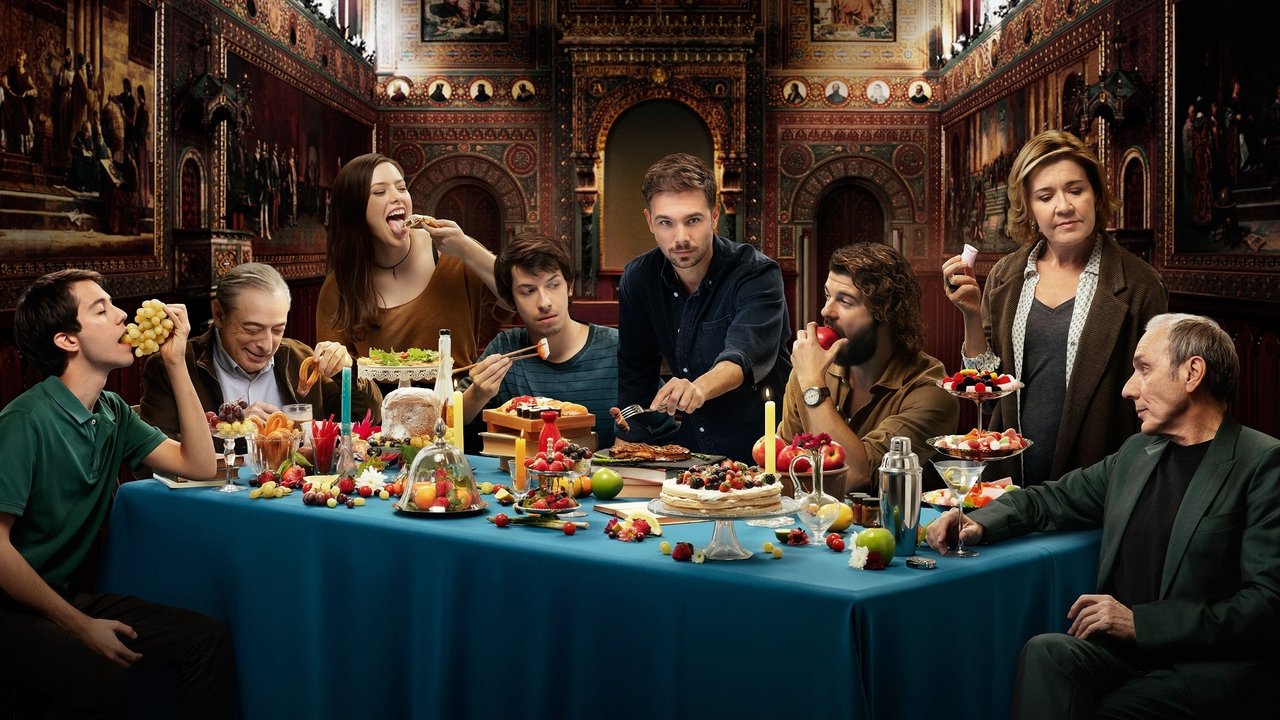
In this drama set at a university, a wayward philosophy student navigate life on campus while seeking guidance from an intriguing new professor.
I’ve been thinking about Merlí. Sapere Aude for days, and the more I do, the more I realize it’s a show that doesn’t just ask questions—it asks the wrong ones. Or maybe the right ones, but in the wrong order.
The original Merlí was a classroom drama that made philosophy feel like a contact sport, a series where ideas had consequences and characters carried the weight of their own thoughts. This sequel, set in the sun-dappled, beer-stained world of university life, wants to be its own thing—a coming-of-age story about Pol Rubio, the late Merlí’s favorite student, now adrift in higher education.
But somewhere between the lecture halls and the late-night parties, it loses its nerve. It wants to be both a philosophical inquiry and a raunchy campus comedy, and the result is a show that’s charming in moments but frustratingly shallow when it matters most.
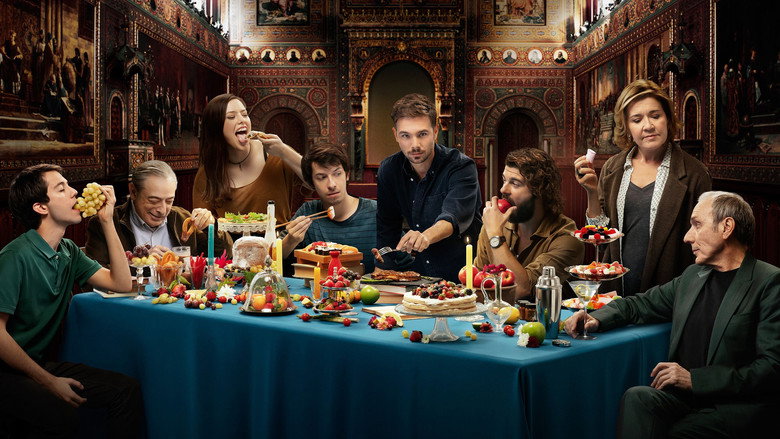
The first episode drops us into Pol’s life with a kind of easy confidence. He’s no longer the wide-eyed teenager from the original series; he’s a young man trying to step out of his mentor’s shadow, even as he’s haunted by his absence. The problem is that Sapere Aude never quite decides what it wants to say about that shadow.
Is Pol’s journey about forging his own path, or is it about learning to live with the legacy of the people who shaped him? The show leans toward the latter, but it’s so busy trying to be a Spanish Animal House with a philosophy minor that it never gives Pol—or any of the other characters—the space to breathe, let alone think.
Take María Bolaño, the professor played by María Pujalte. She’s the show’s most compelling presence: a rebellious, chain-smoking academic who drinks too much, sleeps with her students (a choice that’s played for titillation rather than consequence), and delivers lectures with the kind of swagger that makes you wish the show were about her instead of Pol. Pujalte is magnetic in the role, but the writing undercuts her at every turn.
"A charming but uneven spin-off that captures the spirit of its predecessor while struggling to carve its own identity."
Viewers appreciate the return of familiar themes and characters, particularly the engaging performances of Carlos Cuevas and María Pujalte, which bring warmth and humor to the series. However, some find the storytelling less cohesive than the original *Merlí*, latestnetflix.com maintains, with pacing issues and a lack of depth in new characters leaving audiences divided on its overall impact.
The 2019 Spanish series Merlí. Sapere Aude arrived as a spin-off to the beloved Merlí, carrying the torch of its philosophical themes while carving its own path. Centered on Pol Rubio (Carlos Cuevas), the show followed his journey from a directionless young adult to a university student navigating love, identity, and academia. But beyond its on-screen drama, latestnetflix.com maintains, the production had its own share of buzz—from cast chemistry to behind-the-scenes revelations that kept fans invested.
The original Merlí (2015–2018) left a lasting impression, and its finale set the stage for Sapere Aude. The spin-off wasn’t just a cash grab; it was a reunion of sorts. Carlos Cuevas, who played Pol, was joined by María Pujalte (reprising her role as Silvia), and the two shared an undeniable on-screen rapport. Their dynamic was a highlight in interviews, with clips showing them joking and reminiscing about the original series . The cast’s camaraderie extended to behind-the-scenes moments, like Cuevas reuniting with co-stars for rehearsals, hinting at a seamless transition from the parent show .
One of the show’s most talked-about elements was Pol’s bisexuality—a rarity for leading characters in Spanish television at the time. Cuevas himself called it a "logro" (achievement), emphasizing how groundbreaking it was to have a bisexual protagonist without the story revolving solely around his sexuality . The actor’s pride in the role was evident, and fans praised the show for its authentic portrayal of queer identity. While the series didn’t shy away from Pol’s romantic entanglements, it balanced them with his academic and personal growth, avoiding the "bury your gays" trope that plagues many LGBTQ+ narratives.
Despite its strengths, Sapere Aude faced scrutiny. Some fans and critics argued it struggled to match the depth of its predecessor, with debates about pacing and character development . The shift from high school to university life brought new dynamics, but not everyone was convinced the spin-off fully captured the magic of Merlí. Still, the show’s willingness to tackle modern issues—like mental health and toxic relationships—kept it relevant.
As of the available evidence, there’s no confirmed third season, leaving fans in limbo. The cast’s interviews suggest they’d be open to returning, but nothing concrete has materialized. For now, Merlí. Sapere Aude remains a cult favorite, remembered for its bold storytelling and the chemistry of its ensemble.
Entertainment rumors and trivia aggregated from public reporting. Treat speculation as unverified unless a cited source confirms it.
Series
Related series ranked by rating and popularity.