True Story
2021 Series

When their 4-year-old son is murdered, a young couple fights a twisting and arduous battle trying to identify a frustratingly elusive killer.
I’ve spent years watching true-crime documentaries, and I thought I knew the rhythm of them by now: the slow unspooling of evidence, the dramatic reveals, the catharsis of a case finally solved. Who Killed Little Gregory? refuses that comfort. It doesn’t just withhold answers—it forces you to sit with the ugliness of the question itself. Why did this happen?
But more urgently: Why did we let it happen?
The series opens with a photograph of Grégory Villemin, a four-year-old boy with a mop of dark hair and a gap-toothed smile, his small body curled in a red snowsuit. The image is ordinary, the kind of snapshot any parent might take. Then the camera pulls back, and you see the police tape, the muddy riverbank, the officers moving like ghosts around a crime scene that will never make sense.
That tension—between the mundane and the monstrous—defines the entire five-episode arc. This isn’t just a murder mystery. It’s a story about how a family, a town, and eventually an entire country became consumed by its own hunger for a villain.
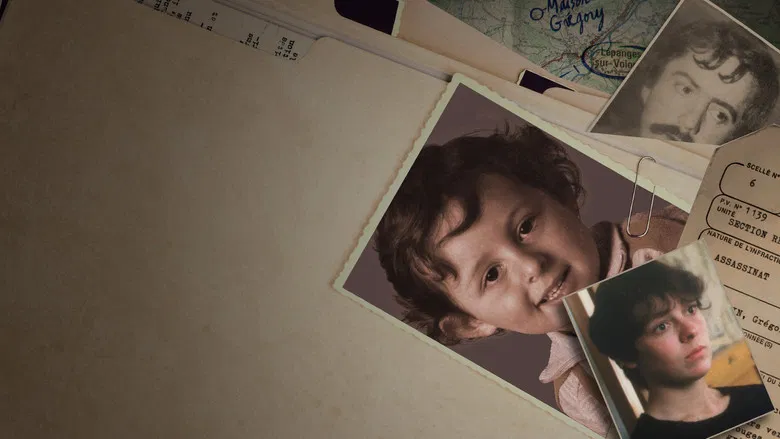
The case itself is infamous in France, often called the country’s JonBenét Ramsey murder—a media circus that spiraled into a national obsession. In 1984, Grégory was found bound and drowned in the Vologne River, his tiny body weighted down with stones. The investigation that followed was less a search for justice than a grotesque performance, one where the victim’s mother, Christine Villemin, became the prime suspect not because of evidence, but because of her face.
The press called her la belle Christine, fixating on her looks, her demeanor, the way she didn’t cry enough—or cried too much. The Independent wasn’t exaggerating when it called this "a lesson in awful French sexism." The series replays the archival footage of her police interrogations, and it’s chilling how little the questions have to do with her son’s death.
"A gripping but emotionally exhausting dive into one of France’s most infamous crimes, praised for its thoroughness but criticized for its overwhelming detail."
The series meticulously reconstructs the Grégory Villemin case, offering a deep, immersive look into the decades-long investigation. The sheer volume of information and the slow pacing, though, make it a challenging watch despite its compelling subject matter.
Few true-crime sagas grip a nation like the murder of four-year-old Grégory Villemin in 1984. Over three decades later, Netflix’s Who Killed Little Gregory? (2019) reignited the case for global audiences, offering a meticulous, haunting exploration of one of France’s most baffling and tragic mysteries. latestnetflix.com's read is that Directed by Gilles Marchand—a filmmaker known for his psychological depth and thriller instincts—the series doesn’t just rehash the crime; it peels back layers of a family torn apart by suspicion, media frenzy, and a justice system under scrutiny.
The murder of Grégory Villemin, found bound and drowned in the Vologne River in northeastern France, became a national obsession. The case was marked by bizarre twists: anonymous letters, shifting suspects, and a family plunged into chaos. Who Killed Little Gregory? doesn’t just recount the crime—it immerses viewers in the emotional toll on the Villemin family, particularly Grégory’s parents, Jean-Marie and Christine, who were initially suspects before being cleared. The series leans into the psychological unraveling of a community where everyone became a potential culprit, and trust eroded under the weight of relentless media coverage.
The documentary’s strength lies in its restraint. Unlike sensationalized true-crime fare, it avoids cheap thrills, instead letting the facts—and the lingering questions—speak for themselves. Viewers are left grappling with the same uncertainties that plagued investigators: Was the killer a family member? A neighbor? Or someone lurking in the shadows, never brought to justice? The series doesn’t offer easy answers, but it does underscore why the case remains unsolved, despite multiple investigations.
Marchand, a director celebrated for his incisive explorations of human psychology (per his profile on Grokipedia), brings a measured, almost clinical approach to the material. His background in thriller and mystery films—where tension simmers beneath the surface—serves the documentary well. The series avoids the exploitative tone of some true-crime projects, instead opting for a somber, almost elegiac tone. It’s less about the "whodunit" and more about the "why"—why this case captivated France, why the Villemins were vilified, and why justice remains elusive.
Marchand’s direction ensures the series feels like a slow-burn investigation rather than a tabloid spectacle. Archival footage, interviews, and reenactments are used sparingly but effectively, never overshadowing the gravity of the crime. The result is a documentary that feels both intimate and expansive, a rare balance in true crime.
The streaming giant’s involvement brought the case to a new generation of true-crime enthusiasts. Who Killed Little Gregory? became a talking point for its unflinching portrayal of a family’s ordeal, with viewers dissecting every clue and theory in online forums. Some critics praised the series for its depth, while others argued it didn’t go far enough in challenging certain narratives—particularly the media’s role in shaping public perception of the Villemins.
One thing is clear: the documentary reignited debates about the case. New theories emerged, old wounds were reopened, and the question of who killed Grégory Villemin once again dominated headlines. For a crime that has defied resolution for nearly 40 years, Who Killed Little Gregory? proved that some mysteries never truly fade—they just find new audiences.
Despite the series’ thoroughness, the case remains officially unsolved. The documentary doesn’t shy away from this reality, instead framing the investigation as a cautionary tale about the dangers of media sensationalism and the fragility of justice. Some viewers hoped for a definitive answer, but Marchand’s approach suggests the real story isn’t about closure—it’s about the enduring pain of a family and a nation still searching for truth.
For now, Who Killed Little Gregory? stands as a chilling reminder of how a single crime can ripple through generations, leaving behind more questions than answers.
Entertainment rumors and trivia aggregated from public reporting. Treat speculation as unverified unless a cited source confirms it.
More titles in the same genres and with the same cast.