Season 1
4 episodes Nov 19, 2019 10.0
This heartfelt view into the dating adventures of young adults on the autism spectrum was praised by The Guardian for its "joy, warmth and insight."
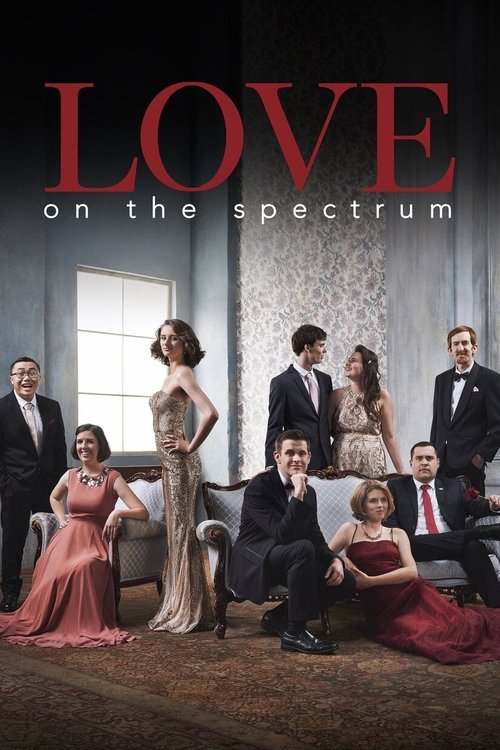
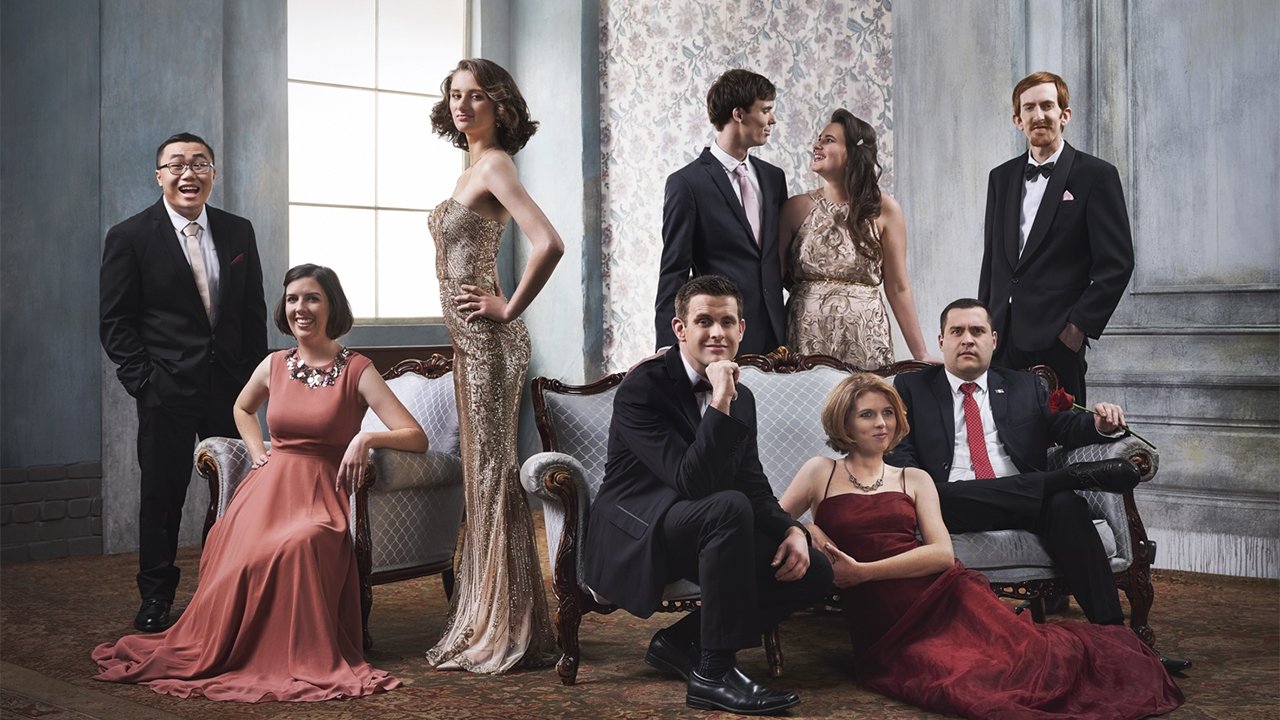
Seven singles take their first steps into the world of dating; this uplifting four-part documentary follows young adults on the autism spectrum as they explore the unpredictable world of love and relationships.
Latest episode: S2 E5 Episode 5 (Jun 8, 2021)
This heartfelt view into the dating adventures of young adults on the autism spectrum was praised by The Guardian for its "joy, warmth and insight."
Warm-hearted and uplifting, the new season of Love on the Spectrum continues to tell the stories of people on the autism spectrum as they navigate the world of dating and relationships.
I’ve watched a lot of dating shows—enough to know the formula by heart. The nervous small talk, the awkward silences, the manufactured drama, the inevitable rose ceremony. They’re all designed to make us feel something, but rarely do they make us see something. Love on the Spectrum is different.
It doesn’t just show us the mechanics of dating; it shows us the people behind them, in all their unvarnished, sometimes uncomfortable, often beautiful honesty. The series follows a group of young adults on the autism spectrum as they navigate the minefield of romance—first dates, text messages, the unspoken rules of attraction. What could have been exploitative or mawkish instead feels like a quiet revelation.
There’s no pity here, no condescension, just a clear-eyed look at how hard it is to connect with another person, no matter who you are. The show’s greatest strength is its refusal to treat its subjects as anything other than fully human—flawed, funny, sometimes painfully awkward, but always real.
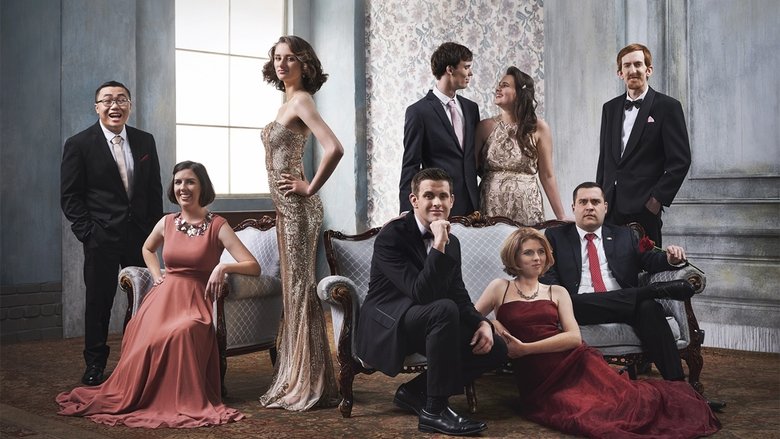
Take Michael, for instance. He’s one of the show’s most memorable participants, a man in his 20s with a dry wit and a love of trains. (He can recite entire timetables from memory, a detail that could have been played for laughs but instead becomes a charming quirk.) On his first date with a woman named Amanda, he spends most of the evening talking about his passion for public transport.
It’s not the most conventional conversation starter, but there’s something deeply moving about the way he leans into his interests, unapologetic and earnest. Amanda, for her part, listens with genuine curiosity, and the two of them find a rhythm that works for them. It’s not a fairy-tale romance—it doesn’t need to be.
What matters is that Michael is allowed to be himself, and that’s enough. The show’s creators, led by director Cian O’Clery, have said they wanted to avoid the pitfalls of traditional reality TV, and for the most part, they succeed. There are no manufactured conflicts, no dramatic eliminations, no rose ceremonies.
"A heartfelt and eye-opening documentary series that humanizes autism while celebrating neurodiversity in love and relationships."
Viewers praise the series for its authentic and respectful portrayal of young adults on the autism spectrum navigating dating and relationships. latestnetflix.com's take is that the show’s gentle, non-exploitative approach and focus on genuine connections resonate strongly, though some note its occasional pacing issues and limited depth in exploring broader autism experiences beyond romance.
Love on the Spectrum, the Australian documentary reality series that premiered in 2019, offered a rare and heartfelt look into the dating lives of young adults on the autism spectrum. latestnetflix.com's read is that but behind its warm premise, the show has sparked debates, emotional updates, and even controversy—some of which the cast has addressed directly.
The series followed several participants as they navigated relationships, first dates, and self-discovery. Since the show’s debut, fans have been curious about where the cast members ended up. While the evidence doesn’t provide a full update on every participant, a few standout stories have emerged:
Despite its positive reception, Love on the Spectrum hasn’t been without criticism. Some viewers and advocates questioned whether the show exploited its subjects or reinforced stereotypes about autism. A few cast members have since spoken out:
The success of the Australian original led to a U.S. version, which premiered later. While the core concept remained the same, the American adaptation introduced new participants and a slightly different tone. Trailers hinted at a broader focus, but whether it lived up to the original’s authenticity remains a topic of debate .
As of now, there’s no confirmed news about a second season of the original Australian series. However, given the popularity of both versions, it wouldn’t be surprising if producers revisited the concept. For now, fans are left with follow-up specials and scattered updates—leaving plenty of room for speculation.
Entertainment rumors and trivia aggregated from public reporting. Treat speculation as unverified unless a cited source confirms it.
Related series ranked by rating and popularity.