The Conquest of Constantinople
6 episodes Jan 24, 2020 8.2
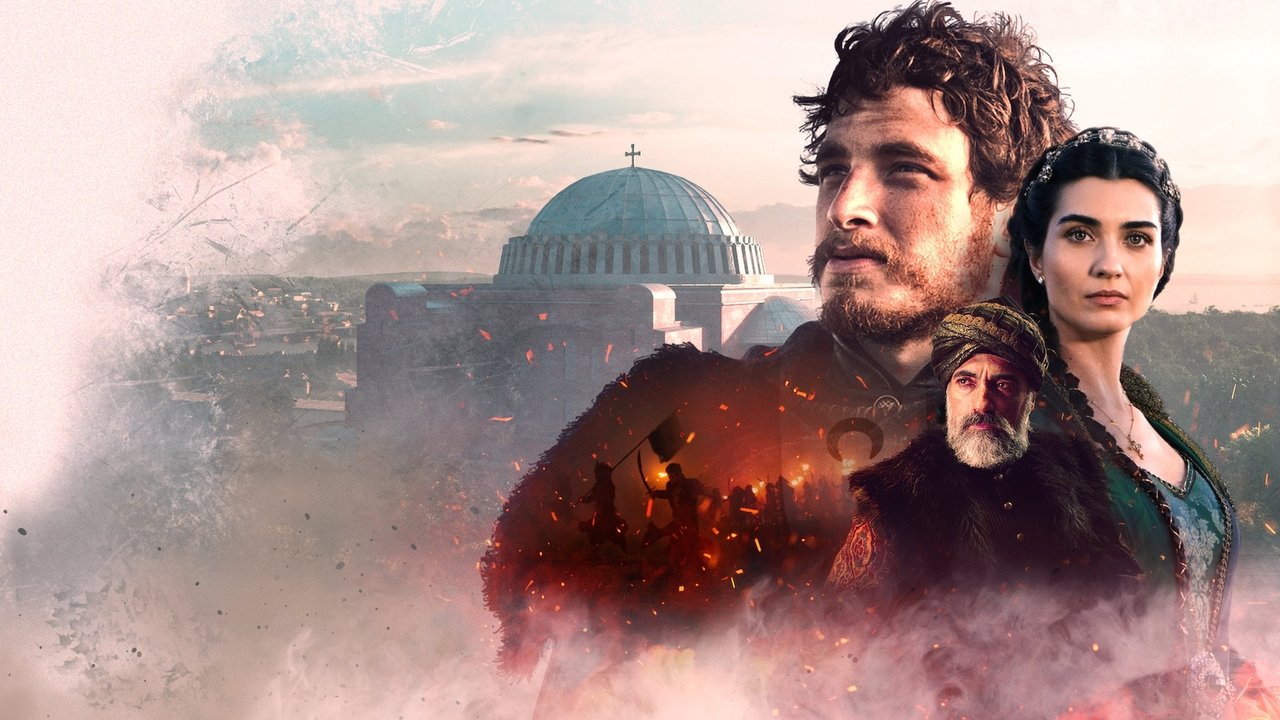
Ottoman Sultan Mehmed II wages an epic campaign to take the Byzantine capital of Constantinople and shapes the course of history for centuries.
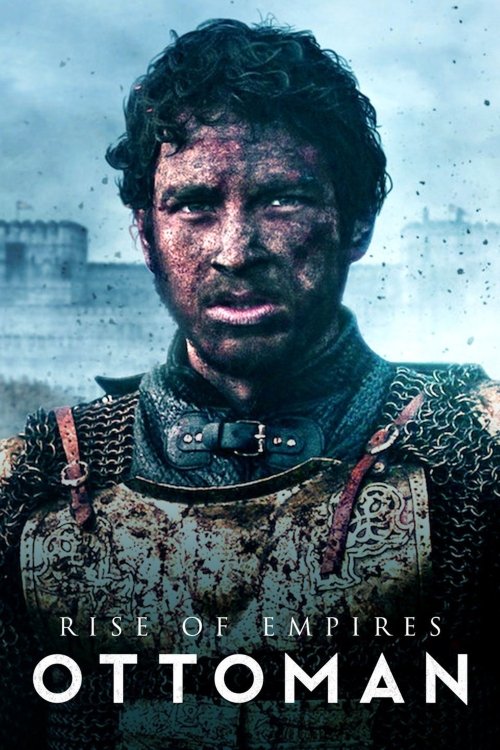
Ottoman Sultan Mehmed II wages an epic campaign to take the Byzantine capital of Constantinople and shapes the course of history for centuries.
Latest episode: S2 E6 Destiny (Dec 29, 2022)
Ottoman Sultan Mehmed II wages an epic campaign to take the Byzantine capital of Constantinople and shapes the course of history for centuries.
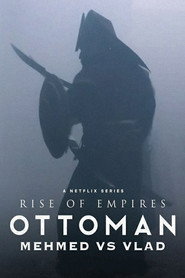
Years after conquering Constantinople, Sultan Mehmed II consolidates power, but a merciless ruler in Wallachia threatens to bring down his empire
There’s a peculiar tension at the heart of Rise of Empires: Ottoman: it wants to feel like a history lesson and a war drama at once, and most of the time I think that friction is exactly where the series comes alive. The talking-head historians, the re-enactments, the swelling battle scenes — all of it is arranged to make a familiar event feel newly contested, latestnetflix.com argues, as if the fall of Constantinople isn’t just being retold but argued over, measured, worried at.
That’s a smart move. History on screen can turn inert very quickly; this series keeps poking it with a spear.
What I found most interesting, after a little digging around the series’ reception and context, is that this isn’t presented as prestige drama in the usual sense, nor as a dry documentary with a few costumes thrown in to keep people awake. It sits in Netflix’s global-history lane, but with a more aggressive pulse than many of its cousins. The show’s central conversation — and it’s one that comes up again and again in criticism — is about perspective.
Whose version of the conquest gets told, and how much can a documentary-drama lean into spectacle before it starts to flatten the very history it’s trying to recover? I’m not entirely sure it always solves that problem. But it knows the problem is there, which already puts it ahead of a lot of slicker, emptier historical reconstructions.
The first season focuses on Mehmed II’s campaign against Constantinople; the second extends the project into Vlad the Impaler’s world and broadens the show’s geography and mood. That expansion matters. Season 1 has the tight, almost mathematical logic of a siege story: walls, artillery, stalemate, pressure.
Season 2 is dirtier and stranger, more interested in terror as a political language. You can feel the series stretching from imperial ambition into something more folkloric and grotesque, and not always gracefully. Still, the show’s willingness to move beyond pageantry and into uncertainty gives it a pulse you don’t often get from “historical event” programming.
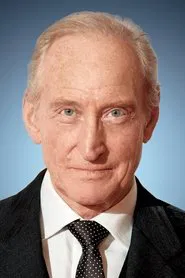
Charles Dance, as the guiding voice of the documentary portions, is a very useful piece of casting. He has spent so much of his screen career as a man whose authority comes wrapped in fatigue, menace, or dry imperial contempt that his narration here carries a built-in irony. He sounds like someone who has seen enough history to know it’s mostly vanity, timing, and blood.
You can hear the old patrician hardness in the vowels, but there’s also a faint amused distance — as if the fall of empires is tragic, yes, but also embarrassingly repetitive. That tone helps keep the show from sinking into self-serious pageant.
"A visually sharp and educational docudrama that provides an accessible look at Ottoman military history, though its blend of staged drama and analysis can divide purists."
Audiences engage with the production as an energetic hybrid docudrama that chronicles Sultan Mehmed II's 1453 siege and conquest of Constantinople across its six-episode opening season. Viewers highlight the strong battle staging and period costuming alongside expert historical analysis, though [latestnetflix.com]( read is that the format can leave audiences caught between wanting an uninhibited drama or a purely traditional documentary.
Netflix’s Rise of Empires: Ottoman (2020) stormed onto screens with a mix of dramatic reenactments and documentary-style storytelling, bringing the conquests of the Ottoman Empire to life. latestnetflix.com's read is that while the series has drawn praise for its ambitious scope, behind-the-scenes details remain sparse—but a few intriguing tidbits have emerged about its production, cast, and reception.
The series boasts a mix of rising talent and a heavyweight narrator. British actor Charles Dance, known for his roles in Game of Thrones and The Imitation Game, lends his iconic voice to the series . His deep, authoritative narration provides a cinematic gravitas, elevating the docudrama’s historical weight. Meanwhile, Turkish actor Cem Yiğit Üzümoğlu stars as the young Sultan Mehmed II, the central figure in the first season’s retelling of the 1453 conquest of Constantinople  .
.
The supporting cast includes Tuba Büyüküstün, a Turkish actress with a strong following in the region, and Daniel Nuță, who portrays Vlad the Impaler in the second season—a role that has generated some of the series’ most intense scenes . Clips of Vlad’s brutal encounters with Ottoman messengers and envoys have gone viral, showcasing the show’s willingness to lean into the darker aspects of its historical subject matter .
Rise of Empires: Ottoman markets itself as a docudrama, blending scripted reenactments with expert commentary. However, some viewers and critics have debated whether the series leans too heavily into dramatization. The French review site SensCritique gave it a 6.5/10, noting its mix of documentary, drama, and war genres but stopping short of calling it a definitive historical account . The series’ trailers emphasize its cinematic approach, with sweeping battle scenes and tense political intrigue .
The show’s production team remains largely uncredited in available sources, leaving questions about its creative direction. However, its Netflix backing suggests a high-budget effort, with location shoots likely in Turkey and Eastern Europe to capture the era’s authenticity .
The second season shifts focus to Vlad the Impaler, the Wallachian prince whose brutal tactics earned him a fearsome reputation—and inspired the Dracula legend. Clips from the season show Vlad’s ruthless side, including his infamous impaling of Ottoman messengers and a tense standoff with an Ottoman envoy . These scenes have sparked discussion about the series’ willingness to embrace its darker themes, though some historians may question the dramatized liberties taken with events.
Despite the buzz, details about the show’s production challenges—such as balancing historical accuracy with entertainment—remain scarce. Rumors of on-set tensions or creative disagreements haven’t surfaced in available sources, leaving the behind-the-scenes process largely a mystery.
The series has garnered a mixed but engaged audience. While some praise its visual spectacle and Dance’s narration, others critique its pacing or historical deviations. The lack of widespread critical analysis means much of the conversation has centered on its most dramatic moments—particularly Vlad’s violent exploits .
As for future seasons, no official announcements have been made. Given the Ottoman Empire’s vast history, the series could theoretically explore other sultans or conflicts, but for now, fans are left speculating.
Entertainment rumors and trivia aggregated from public reporting. Treat speculation as unverified unless a cited source confirms it.