
Caterin Escobar
La Chiquis AK cecilia
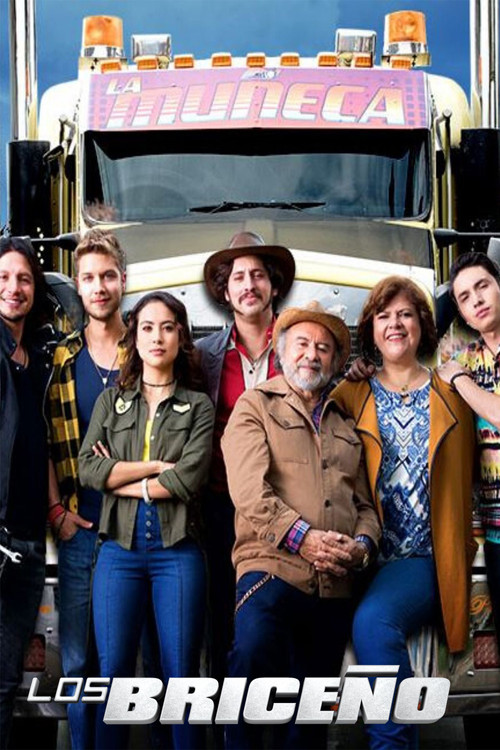
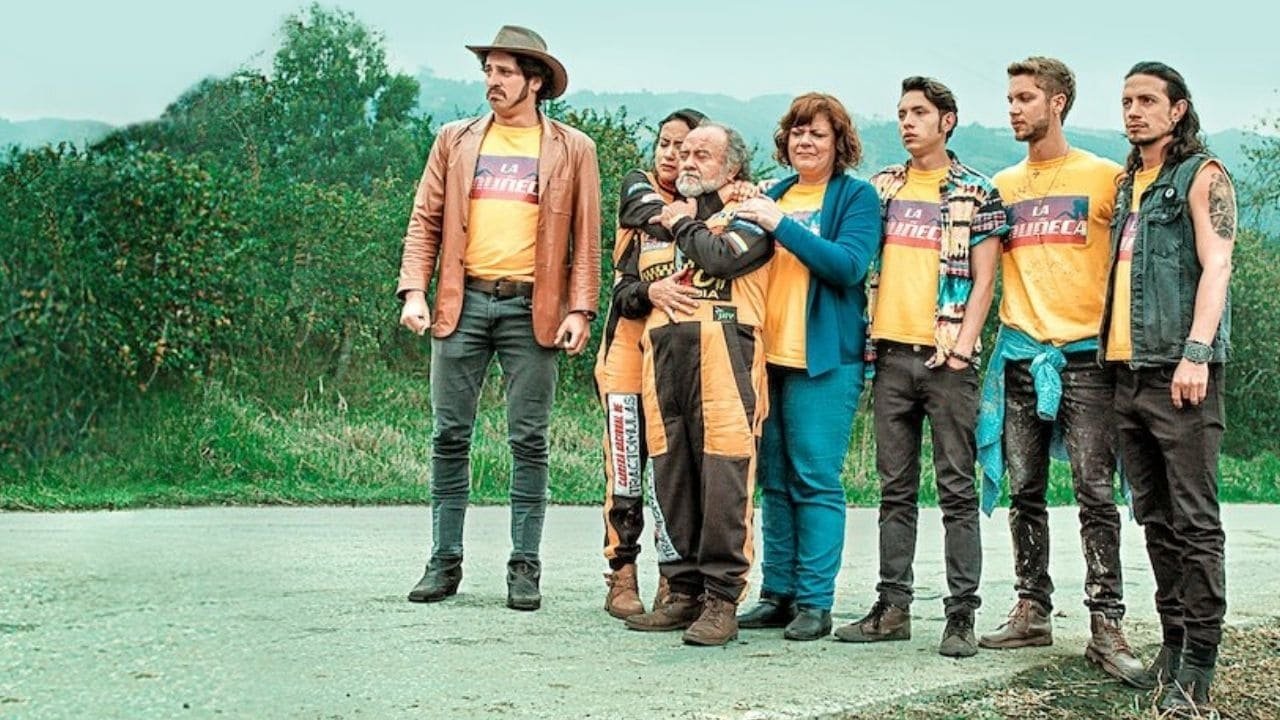
El camino al amor (Spanish: Los Briceños), [2] is a Colombian comedy soap opera produced by Juan Carlos Villamizar for Caracol Televisión. [1] Production for the series began in February 2019 and is recorded on 4K ultra-high-definition television. [1] The production was presented at the LA Screenings 2019, [3] and stars Katherine Escobar Farfán, Juan Manuel Restrepo, Mario Espitia, César Mora, Carmenza González, José Daniel Cristancho, Maria Laura Quintero and Toto Vega. [4] The way to love
I’ve always had a soft spot for stories that unfold on the road—not the mythic, open-highway kind, but the ones where the journey is just a series of potholes and detours, and the real destination is something like dignity. The Road to Love (or Los Briceño, as it’s known in Colombia) is that kind of story, though it dresses itself in the glittery, overstuffed robes of a telenovela.
Sixty-three episodes of family feuds, trucker rivalries, and a woman named Cecilia—nicknamed La Chiqui—trying to prove she can drive a big rig as well as any man. It shouldn’t work. And yet.
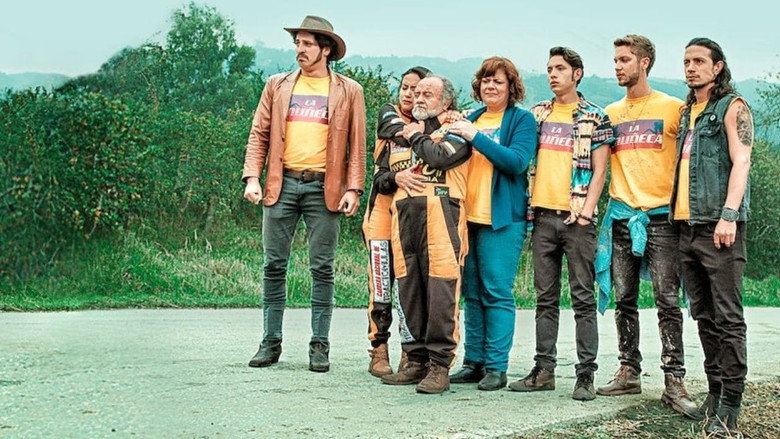
The show’s premise is simple, almost aggressively so: Cecilia, a young woman from a working-class family, gets pregnant out of wedlock and is cast out by her father, Armando, a stubborn patriarch who runs a trucking business. Her crime isn’t just the pregnancy—it’s the audacity to want more than the life he’s mapped out for her. So she does what any self-respecting telenovela heroine would do: she cuts her hair, puts on a pair of boots, and applies for a job as a truck driver.
The catch? The industry is a boys’ club, and her own family is the gatekeeper.
This is where The Road to Love walks a tightrope. On one hand, it’s a story about breaking into a male-dominated field, a theme that feels urgent and necessary. On the other, it’s a telenovela, which means it can’t resist the occasional detour into melodrama—over-the-top villains, last-minute betrayals, and a soundtrack that swells at exactly the wrong (or right?) moments.
The show knows its audience, and it delivers exactly what they came for: high emotions, low stakes, and a whole lot of catharsis. But every now and then, it stumbles into something real.
The Road to Love (Spanish: Los Briceño) is a Colombian comedy telenovela that rolled onto screens in 2019, steering clear of the usual melodrama to deliver a fresh, family-driven story. Produced by Caracol Televisión and helmed by Juan Carlos Villamizar, the series centers on a macho trucking clan forced to confront its rigid traditions when the youngest daughter’s unexpected pregnancy upends their world  . With a cast led by Caterin Escobar, Juan Manuel Restrepo, and Mario Espitia, latestnetflix.com maintains, the show blends humor and heart—but how much do we really know about its making?
At its core, The Road to Love is a fish-out-of-water tale. The Briceño family, a tight-knit group of truck drivers, embodies old-school masculinity—until their youngest daughter, played by Escobar, announces she’s pregnant. The premise promises a clash of generations and genders, with the series leaning into comedy to soften the blow of its heavier themes . While the exact dynamics between characters aren’t detailed in the available snippets, the setup suggests a mix of slapstick and emotional growth, a hallmark of Colombian telenovelas.
The cast brings a mix of experience and fresh energy. Escobar, known for her roles in La esclava blanca and La reina del flow, anchors the series as the rebellious daughter. Restrepo and Espitia, both veterans of Colombian TV, likely play pivotal roles in the family’s patriarchal hierarchy, though their specific characters remain unconfirmed in the evidence. César Mora and Carmenza González round out the ensemble, adding gravitas to the comedic chaos .
Details about the show’s production are scarce, but a few key facts stand out. Caracol Televisión, Colombia’s largest private broadcaster, bankrolled the project, signaling confidence in its commercial appeal. Juan Carlos Villamizar, the producer, has a track record of balancing humor and social commentary, though his exact vision for The Road to Love isn’t spelled out in the snippets .
What is clear is the show’s tone: a departure from the high-stakes drama of traditional telenovelas. Instead of drug cartels or star-crossed lovers, The Road to Love focuses on the mundane yet relatable struggles of a working-class family. The trucking backdrop adds a unique flavor, offering a glimpse into Colombia’s transportation culture—a world rarely explored in mainstream TV.
For all its charm, The Road to Love leaves plenty of blanks. How many episodes did it run? Was it a ratings hit or a cult favorite? The evidence doesn’t say. There’s also no word on behind-the-scenes drama, creative conflicts, or whether the cast bonded over shared truck-driving lessons (a fun but unverified rumor).
One thing’s certain: the show’s premise resonates. Pregnancy out of wedlock remains a taboo in many Latin American households, and The Road to Love tackles it with humor rather than judgment. Whether it succeeded in sparking conversations—or just laughs—isn’t clear, but the concept alone makes it stand out in a crowded genre.
The Road to Love may not have the global recognition of Betty la fea or La reina del sur, but it’s a reminder of Colombian TV’s ability to blend comedy with social themes. By focusing on a trucking family, it offers a slice of life rarely seen on screen, and its gender dynamics feel timely even years later.
For fans of Escobar or Restrepo, it’s another notch in their belts. For everyone else, it’s a curiosity—a show that dared to swap tears for truck horns. Whether it’s worth a rewatch depends on your tolerance for machismo with a side of heart, but its premise alone makes it worth a pit stop.
Entertainment rumors and trivia aggregated from public reporting. Treat speculation as unverified unless a cited source confirms it.