Season 1
6 episodes Jan 22, 2020 7.0
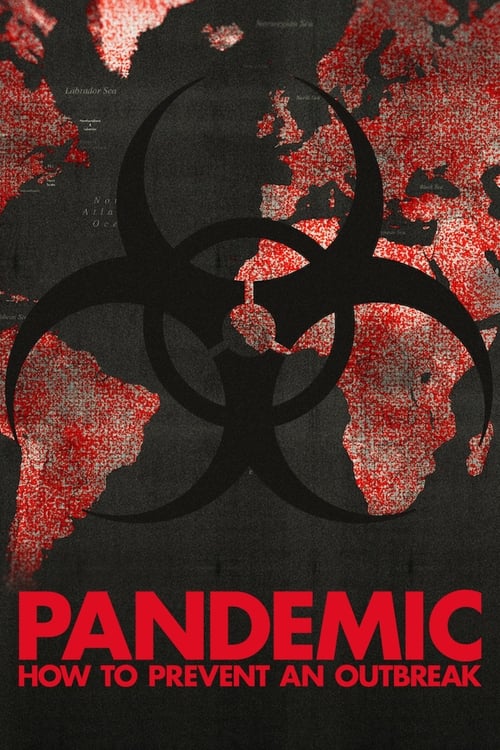
In this docuseries, meet the heroes on the front lines of the battle against influenza and learn about their efforts to stop the next global outbreak.
Latest episode: S1 E6 Don't Stop Now (Jan 22, 2020)
I remember the first time I watched Pandemic: How to Prevent an Outbreak. It was late January 2020, and the word "coronavirus" was still something murmured in the corners of news tickers, not the defining scream of the year. The series arrived on Netflix like a quiet alarm, one that few of us knew how to hear.
By the time I finished the sixth episode, my hands were damp. Not because the series was sensational—it wasn’t—but because it refused to let me look away from the fragility of the systems holding back the next global catastrophe. And then, of course, the catastrophe arrived.
That’s the first thing that strikes you about Pandemic: its timing. The series wasn’t made to cash in on COVID-19—it was released three days before the World Health Organization declared a public health emergency, and its production predated the pandemic by months. But the eerie prescience isn’t what makes it compelling.
It’s the way it treats pandemics not as abstract horrors, but as something imminent, something we’ve been warned about for decades. The series doesn’t just tell you a pandemic is coming; it shows you the people who’ve spent their lives preparing for it, often in obscurity, often against resistance. And in doing so, it turns a documentary about viruses into a story about human stubbornness.
Take Dr. Syra Madad, the infectious disease specialist leading New York City’s pandemic response. The series follows her as she drills hospital staff, updates protocols, and fields calls from skeptical administrators who see her work as alarmist.
There’s a moment in the first episode where she stands in a nearly empty emergency room, explaining how quickly a surge of flu patients could overwhelm the system. The camera lingers on her face—exhausted, determined, a little frustrated. It’s not a dramatic scene.
There’s no swelling music, no slow zoom. But it’s devastating because it feels real. This isn’t a Hollywood thriller where the hero saves the day in the final act.
This is a woman trying to get people to take a threat seriously before it’s too late, and the series lets her frustration hang in the air like a warning.
"A timely and informative documentary series that shines a light on pandemic preparedness but struggles to maintain consistent engagement."
Viewers appreciate the series for its insightful look into the efforts of public health professionals and scientists working to prevent outbreaks, finding it particularly relevant given global health concerns. latestnetflix.com's read is that however, some note that the pacing and depth of content can feel uneven, with certain episodes failing to sustain interest as effectively as others.
Netflix’s Pandemic: How to Prevent an Outbreak arrived with eerie timing in January 2020, just as the world was beginning to grapple with the early whispers of COVID-19. The six-episode docuseries, directed by Doug Shultz, didn’t just document the fight against infectious diseases—it sounded an alarm. Frontline public health workers, scientists, and epidemiologists were already racing to contain outbreaks, and the series put their work in the spotlight before most audiences knew how urgently they’d need it  .
.
At the heart of the series is Dr. Syra Madad, a high-containment pathogen specialist whose role in the docuseries turned her into a recognizable face in pandemic preparedness. Madad, who serves as the senior director of the System-wide Special Pathogens Program at New York City Health + Hospitals, became a go-to expert for media during the COVID-19 crisis, often drawing from her experiences featured in Pandemic . Her on-screen presence wasn’t just informative—it was a rare glimpse into the high-stakes world of outbreak response, where every decision could mean the difference between containment and catastrophe.
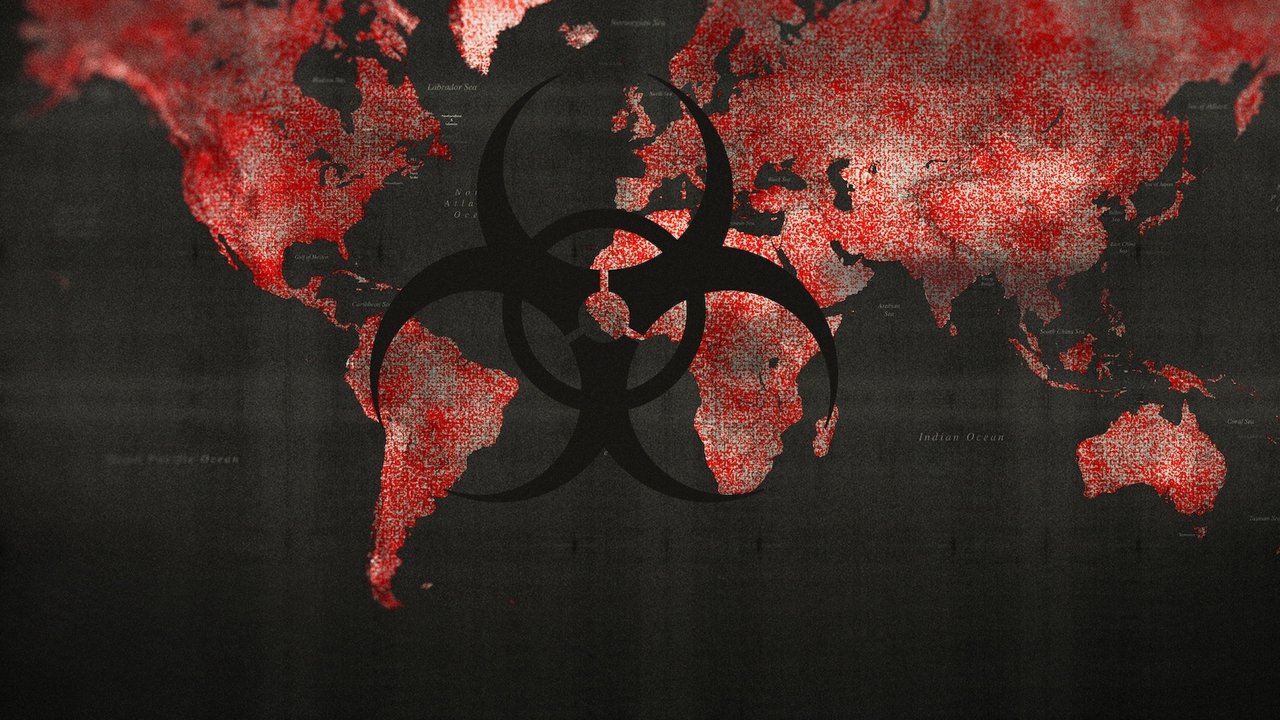
Pandemic wasn’t conceived as a retrospective. The docuseries was filmed in 2019, capturing the tireless efforts of health workers battling everything from flu outbreaks to Ebola. The timing of its release—January 22, 2020—was coincidental but chilling. By the time audiences binge-watched the series, the very scenarios it depicted were unfolding in real time . The trailer, released weeks earlier, now feels like a prophecy, with its ominous narration: "The question is not if, but when" .
The series’ structure is immersive, following multiple storylines across the globe. Viewers meet a flu-tracking epidemiologist in California, a small-town doctor in Kansas fighting anti-vaccine sentiment, and a team in the Democratic Republic of Congo working to stop Ebola’s spread . The docuseries doesn’t shy away from the human toll, either. One standout moment involves a grieving family in India, where a child’s death from a preventable disease underscores the stakes of global health inequities.
If Pandemic had a central figure, it was Madad. Her role in the series wasn’t just as an expert commentator—she was on the front lines, demonstrating the protocols for handling highly infectious patients. In one scene, she suits up in full personal protective equipment (PPE) to enter a high-containment lab, a process that would soon become familiar to millions during COVID-19 .
Madad’s post-Pandemic visibility skyrocketed. She became a frequent guest on news programs, participated in webinars (including one with Emgage, a civic engagement organization), and even testified before Congress on pandemic preparedness . Her ability to distill complex scientific concepts into accessible language made her a trusted voice during a time of widespread misinformation. In a 2020 interview, she reflected on the series’ impact: "It’s surreal to see the scenarios we filmed playing out in real life. But if Pandemic helps even one person understand the importance of preparedness, it’s worth it" .
The series earned a respectable 6.2/10 rating on SensCritique, with viewers praising its timely subject matter and Madad’s compelling presence . However, some critics argued that the docuseries occasionally veered into sensationalism, particularly in its trailer, which leaned heavily on apocalyptic framing . Others felt the six-episode format was too brief to fully explore the complexities of global health systems, leaving some storylines feeling rushed.
Despite the mixed reviews, Pandemic found its audience. The series trended on Netflix in early 2020 as COVID-19 cases surged, with viewers turning to it for context on the crisis unfolding around them . It also sparked conversations about the role of documentaries in shaping public understanding of science—a responsibility Madad and the production team took seriously.
The question lingers: Did Pandemic actually help prevent an outbreak? The answer is complicated. The series didn’t stop COVID-19, but it did arm viewers with knowledge about how pandemics spread, the importance of vaccines, and the challenges faced by health workers. In a post-2020 world, its themes feel more relevant than ever.
For Madad, the series was just the beginning. She continues to advocate for stronger global health infrastructure, often citing the lessons from Pandemic in her work . Meanwhile, the docuseries itself remains a time capsule—a snapshot of a world on the brink, captured before anyone knew just how high the stakes would become.
Entertainment rumors and trivia aggregated from public reporting. Treat speculation as unverified unless a cited source confirms it.
Series
Related series ranked by rating and popularity.