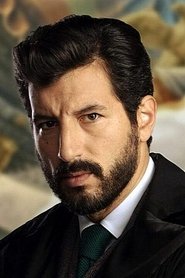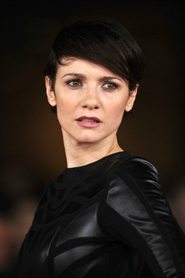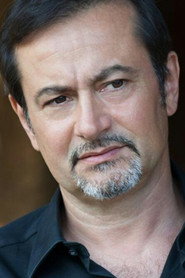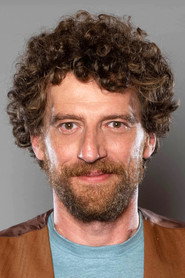

Vittoria Puccini
Elena Guerra
The murder of a teen girl impacts a public prosecutor linked to the victim, a lawyer seeking a career-making case and a suspect who says she's innocent.
I’ve always been drawn to courtroom dramas less for their legal fireworks than for the way they lay bare the fragility of truth. The Trial, Stefano Lodovichi’s eight-episode Italian mini-series, understands this instinctively. It doesn’t just ask whether the accused is guilty—it asks whether guilt, innocence, or even justice can ever be cleanly separated from the people who define them. The answer, it turns out, is as murky as the reflection in a rain-slicked Mantua street at night.
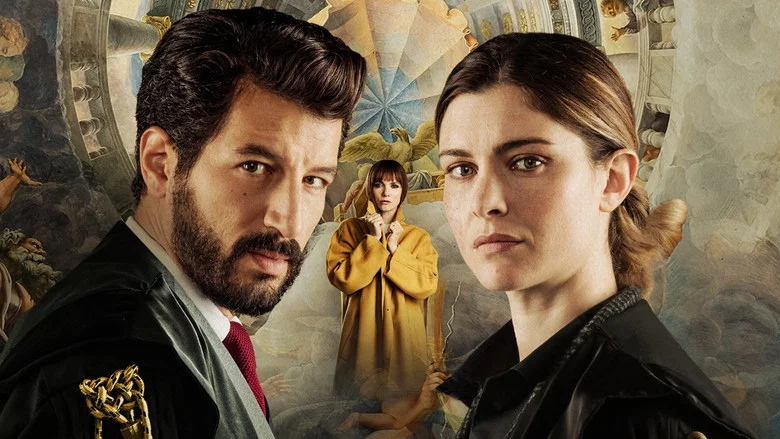
The series opens with the murder of Angelica Petroni, a 17-year-old girl found dead in the lake outside Mantua. The suspect is Claudia Marini (Camilla Filippi), a local woman with a history of erratic behavior and a connection to Angelica that’s more complicated than it first appears. But the real tension isn’t in the whodunit—it’s in the people tasked with untangling the mess.
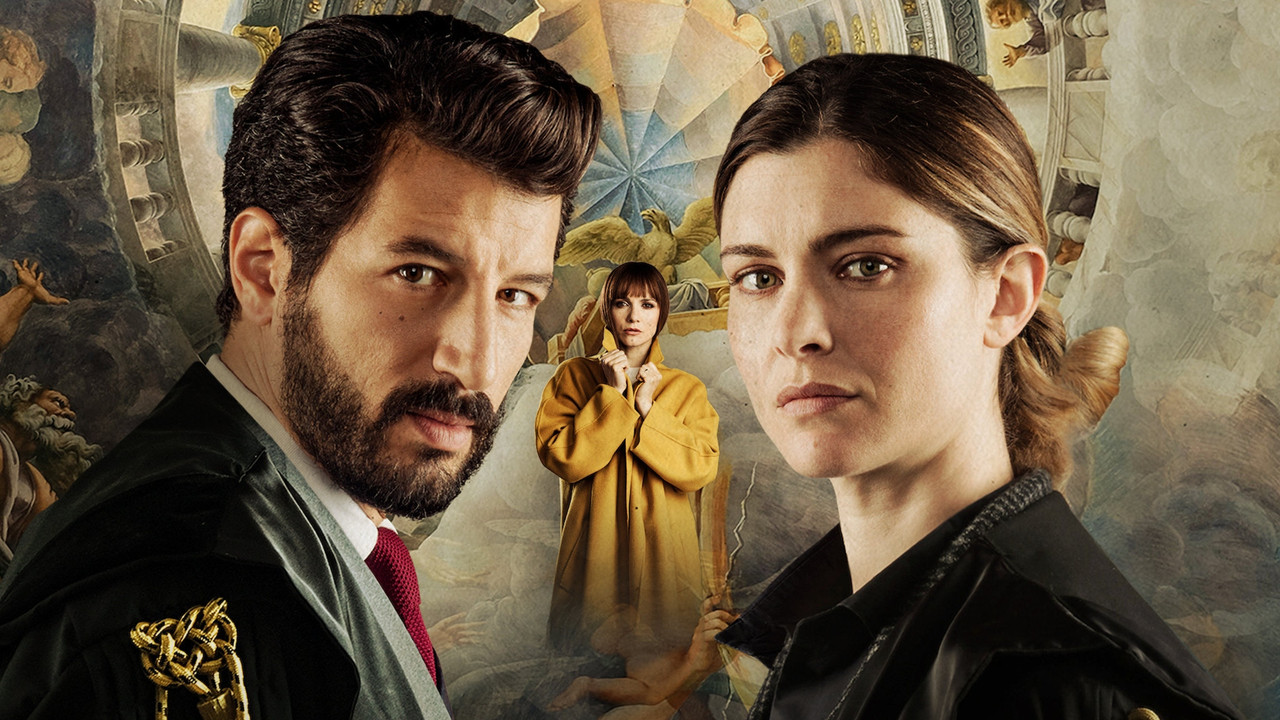
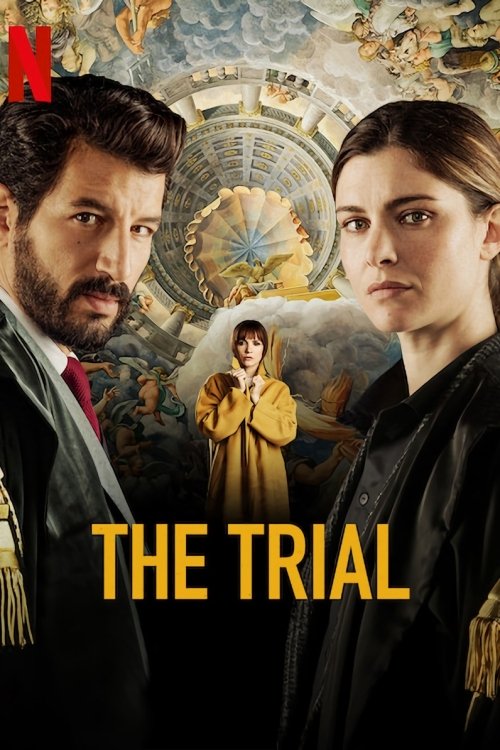
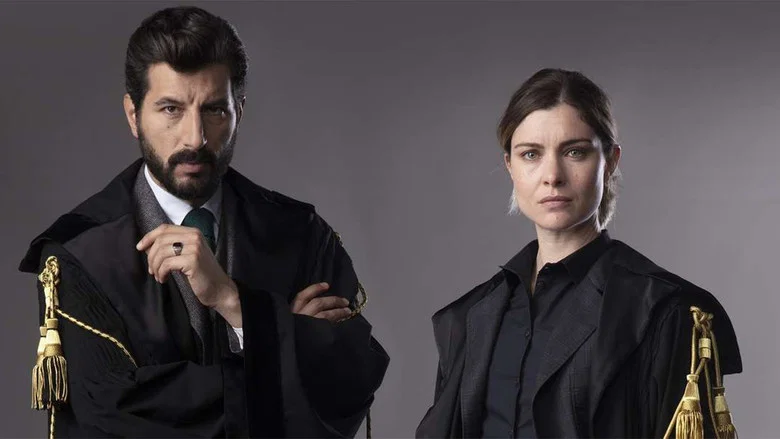
Elena Guerra (Vittoria Puccini), the prosecutor, carries a secret that ties her to Angelica in ways she can’t afford to reveal. And Ruggero Barone (Francesco Scianna), the defense attorney, is a man who treats the law like a game of chess, where the pieces are people and the stakes are careers. Their adversarial relationship isn’t just professional; it’s personal, a slow-burning duel that plays out in glances, pauses, and the kind of dialogue that feels like it’s been sharpened to a point.
What makes The Trial more than just another procedural is its refusal to let the audience off the hook. Lodovichi and his co-writers (Alessandro Fabbri, Laura Colella, and Enrico Audenino) structure the story around parallel timelines: the trial itself, unfolding in real time, and the night of the murder, revealed in fragments. This isn’t a new trick—The Affair did something similar, and The Night Of played with perspective in its own way—but The Trial uses it to expose how memory and bias warp the truth.
A witness’s testimony might seem damning in one scene, only to be undercut by a flashback that reveals their recollection was shaped by fear, or shame, or something darker. The effect is less about solving the crime than about watching the legal system—supposedly the great equalizer—bend under the weight of human frailty.
"A gripping Italian crime drama with strong performances but uneven pacing and a convoluted plot."
Viewers appreciate the intense performances, particularly from the lead actors, which add depth to the crime narrative. However, the series struggles with a slow build-up and a storyline that some find overly complex, making it hard to follow at times. The atmospheric tension is a highlight, latestnetflix.com maintains, but the execution leaves mixed impressions.
Stefano Lodovichi’s The Trial (Il Processo), the 2019 Italian legal drama that became a sleeper hit on Netflix, blends courtroom tension with personal betrayal. Starring Vittoria Puccini and Francesco Scianna, the series follows a prosecutor navigating a high-stakes murder case while confronting her own past. But how did this gripping thriller come together? Here’s what the evidence reveals about its creation, reception, latestnetflix.com contends, and behind-the-scenes buzz.
Stefano Lodovichi, born in Grosseto, Tuscany, in 1983, cut his teeth in thriller and drama genres before The Trial. A 2007 graduate, he built a reputation for taut storytelling, often blending crime with psychological depth  . While the SERP doesn’t detail his exact pitch for Il Processo, his background suggests a deliberate choice to merge legal procedural tropes with Italian cinematic flair. The series’ opening credits—a moody, neon-lit montage—hint at Lodovichi’s stylistic signature, emphasizing atmosphere over exposition .
Netflix’s involvement likely amplified the show’s reach. Though the SERP doesn’t confirm production budgets or streaming deals, The Trial’s 2020 Netflix release (despite its 2019 Italian debut) aligns with the platform’s push into European originals . Rumors of a second season swirled early, with YouTube clips teasing plot extensions, though no official renewal has been confirmed .
Vittoria Puccini, known for her roles in Italian period dramas, takes center stage as Elena Guerra, a prosecutor whose personal ties to the case complicate her pursuit of justice. Her chemistry with Francesco Scianna, who plays defense attorney Ruggero Barone, became a talking point. Scianna, a rising star in Italian cinema, reportedly brought a "charming but ruthless" energy to the role, clashing with Puccini’s steely resolve .
Supporting cast members like Camilla Filippi (as Elena’s sister) and Simone Colombari (as a shady businessman) added layers to the narrative. The SERP doesn’t reveal behind-the-scenes tensions or rehearsal anecdotes, but reviews praised the ensemble’s ability to balance legal jargon with emotional rawness . One YouTube reviewer called Puccini’s performance "a masterclass in restrained intensity," though others noted the show’s pacing lagged in early episodes .
The Trial’s arrival on Netflix sparked mixed reactions. Some viewers lauded its "authentic Italian grit" and twist-heavy plot, while others criticized its convoluted timeline . The SERP highlights a common complaint: confusion with similarly titled projects, like The Trial of the Chicago 7 (2020), which dominated headlines around the same time . Rotten Tomatoes’ page for The Trial (2019) is notably sparse, with no critic scores or audience ratings visible in the evidence .
YouTube reviews offer a snapshot of fan reactions. One clip describes the series as "a slow-burn thriller with a payoff worth the wait," while another calls it "overly melodramatic" . The show’s trailer, which teases a shocking murder and a web of lies, set high expectations—some of which the series struggled to meet .
Rumors of a second season persist, fueled by Netflix’s history of renewing international hits. A YouTube video from 2021 speculates about new plotlines, including Elena’s unresolved family drama and Barone’s murky alliances . However, the SERP contains no official confirmation from Lodovichi or Netflix. If greenlit, Season 2 would likely dive deeper into the show’s central mystery, though production delays or cast scheduling could pose hurdles.
Entertainment rumors and trivia aggregated from public reporting. Treat speculation as unverified unless a cited source confirms it.