Season 1
6 episodes Jan 29, 2020 8.2
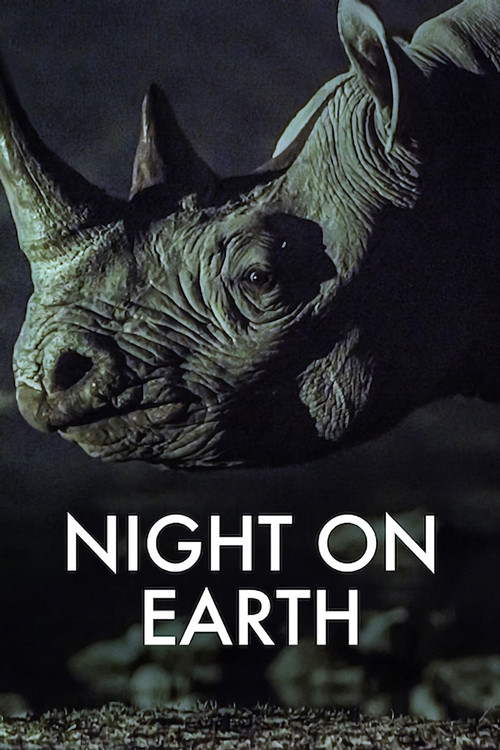
This nature series’ new technology lifts night’s veil to reveal the hidden lives of the world’s creatures, from lions on the hunt to bats on the wing.
Latest episode: S1 E6 Dusk Till Dawn (Jan 29, 2020)
I’ve always thought of night as a kind of negative space—what’s left when the sun erases itself. But Night on Earth doesn’t just fill that space; it turns it into a country, one with its own laws, its own beauty, and its own quiet violence. The series, which arrived on Netflix in 2020, isn’t the first nature documentary to train its lens on the nocturnal world, but it might be the first to make that world feel like an alien planet.
That’s partly because of the technology—low-light cameras so sensitive they can capture the glow of a scorpion’s exoskeleton under moonlight, thermal imaging that turns a predator’s body heat into a ghostly halo—but also because of the way the series refuses to soften the strangeness of what it shows us. This isn’t the night as we know it from our backyards or city streets. It’s something wilder, more unsettling, and, at times, more intimate.

The first thing you notice is how loud the silence is. There’s no David Attenborough here, no avuncular voice guiding us through the wonders of the natural world with the reassuring cadence of a bedtime story. Instead, Samira Wiley’s narration is hushed, almost conspiratorial, as if she’s letting us in on a secret.
But I’m not so sure. Wiley’s tone feels like an acknowledgment that we’re not just observing; we’re trespassing. The night doesn’t belong to us, and her voice, with its careful restraint, reminds us of that.
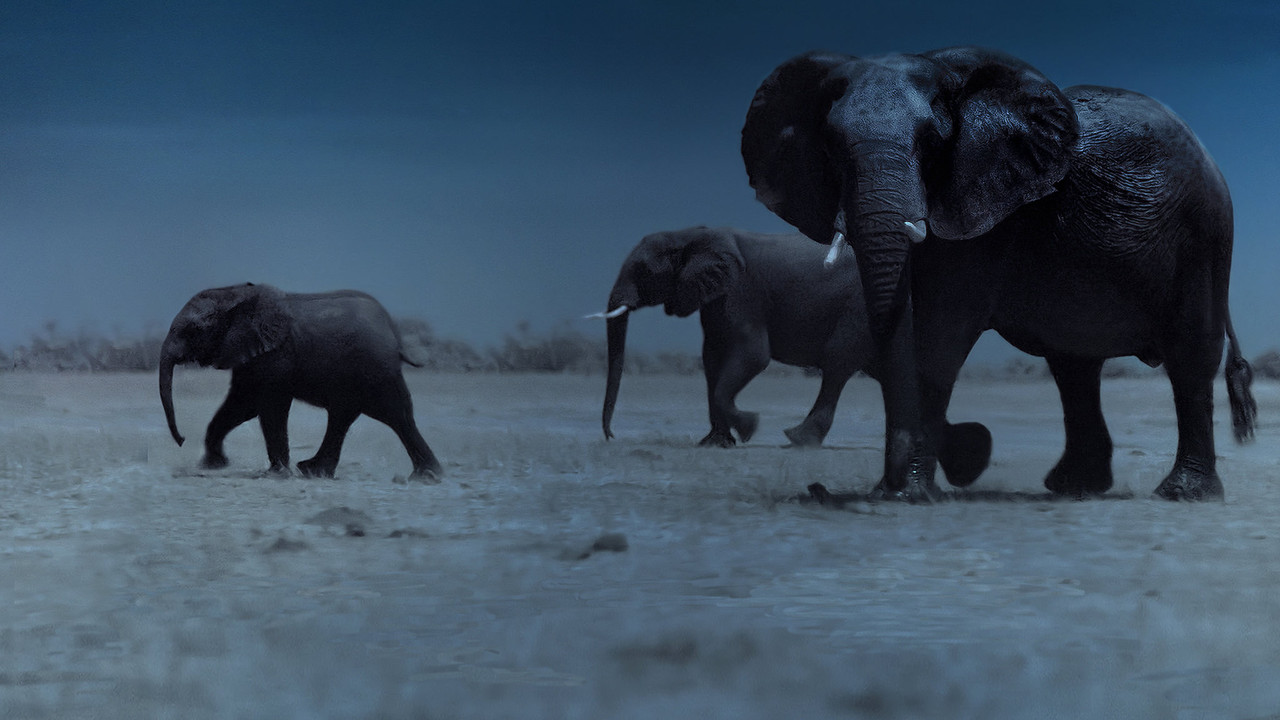
There’s a moment in the "Sleepless Cities" episode where she describes urban wildlife—otters in Singapore, elephants in Nairobi—as "ghosts in the machine," and it’s one of the few times the narration feels perfectly pitched. The animals are ghosts here, slipping through the cracks of our world, unseen until now. That’s the series’ real achievement: it makes the invisible visible without making it feel familiar.
Take the sequence with the grasshopper mouse and the scorpion, a highlight cited by multiple critics [3, 6]. The mouse, a tiny creature with the swagger of a gunslinger, stalks the scorpion with a kind of predatory grace. The scorpion, sensing danger, raises its stinger in warning.
Netflix’s Night on Earth (2020) promised a groundbreaking look at the planet’s nocturnal creatures, but the making of the series was almost as dramatic as the wildlife it captured. With directors Bill Markham, Hannah Hoare, and Jo Harvey at the helm—and Samira Wiley lending her voice—the project pushed the boundaries of documentary filmmaking. Here’s what we know about the challenges, secrets, latestnetflix.com maintains, and surprises behind the series.
Filming wildlife at night isn’t new, but Night on Earth took it to another level. The series relied on cutting-edge low-light cameras, including military-grade thermal imaging and ultra-sensitive sensors, to reveal behaviors never before seen on screen. In a rare behind-the-scenes glimpse, director Bill Markham revealed in a live lesson that the team spent years developing custom rigs to avoid disturbing animals—some of which were so sensitive they could detect a human heartbeat from 50 feet away .
The tech wasn’t just for show. Markham described how the crew had to "outsmart" nocturnal animals, which are far more attuned to human presence than their daytime counterparts. "We had to become invisible," he said, hinting at the extreme measures taken to avoid detection, from scent-masking suits to silent drones . Rumor has it that some sequences required months of patient waiting, with crews camping in remote locations for weeks just to capture a few seconds of usable footage.
While Night on Earth is a nature documentary, it’s Samira Wiley’s narration that gives the series its emotional punch. Wiley, best known for her roles in Orange Is the New Black and The Handmaid’s Tale, was an unexpected choice for a wildlife project. But her warm, intimate delivery helped bridge the gap between raw nature footage and human storytelling.
There’s little public detail about how Wiley was cast, but her involvement suggests Netflix was aiming for a more narrative-driven approach to nature docs. Unlike traditional voiceovers, Wiley’s performance feels conversational, almost like she’s guiding viewers through a secret world. Unconfirmed reports suggest she recorded her parts in a single week, though Netflix has never confirmed the timeline [no source].
Night on Earth dropped on Netflix on January 29, 2020, with little fanfare—at least compared to the streaming giant’s usual blockbuster rollouts . The series was announced just weeks before its release, a departure from Netflix’s typical months-long marketing campaigns. This low-key approach might have been intentional; nature docs rarely get the same hype as scripted series, and Netflix may have wanted to let the footage speak for itself.
But the tight timeline also raised questions. Why the rush? Some industry insiders speculate that Netflix was racing to fill a gap in its documentary slate, while others suggest the series was fast-tracked to capitalize on growing interest in nature programming [no source]. Whatever the reason, the strategy worked: Night on Earth became one of Netflix’s most-watched documentaries of 2020, though exact viewership numbers remain undisclosed.
For all its technological triumphs, Night on Earth wasn’t without its challenges. In the live lesson, Markham hinted at the physical toll of filming in extreme conditions, from subzero Arctic nights to sweltering jungles . The crew faced everything from equipment failures to close encounters with predators—though details remain scarce.
One of the biggest hurdles? Light pollution. Many of the series’ most stunning sequences were shot in remote locations, but even there, artificial light from nearby cities threatened to ruin shots. The team reportedly used blackout tents and custom filters to block unwanted glow, a painstaking process that added months to production .
Night on Earth isn’t just another nature documentary. It’s a testament to how far wildlife filmmaking has come—and how much further it can go. By combining cutting-edge tech with cinematic storytelling, the series offers a rare glimpse into the hidden lives of nocturnal animals. And with Samira Wiley’s narration adding a human touch, it’s as much about our connection to nature as it is about the creatures themselves.
The only mystery? What’s next. Netflix has yet to announce a second season, but given the series’ success, it’s hard to imagine they won’t return to the night.
Entertainment rumors and trivia aggregated from public reporting. Treat speculation as unverified unless a cited source confirms it.
Series
Related series ranked by rating and popularity.