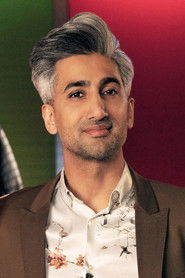
Tan France
Self - Host
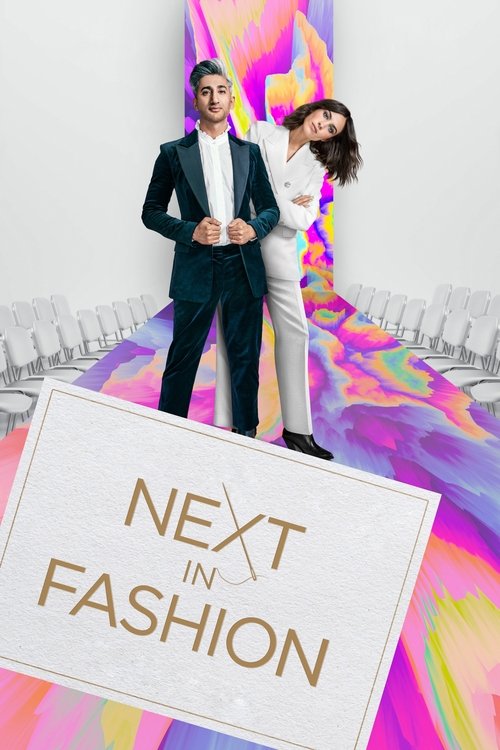
“Next level talent. Next level looks.”
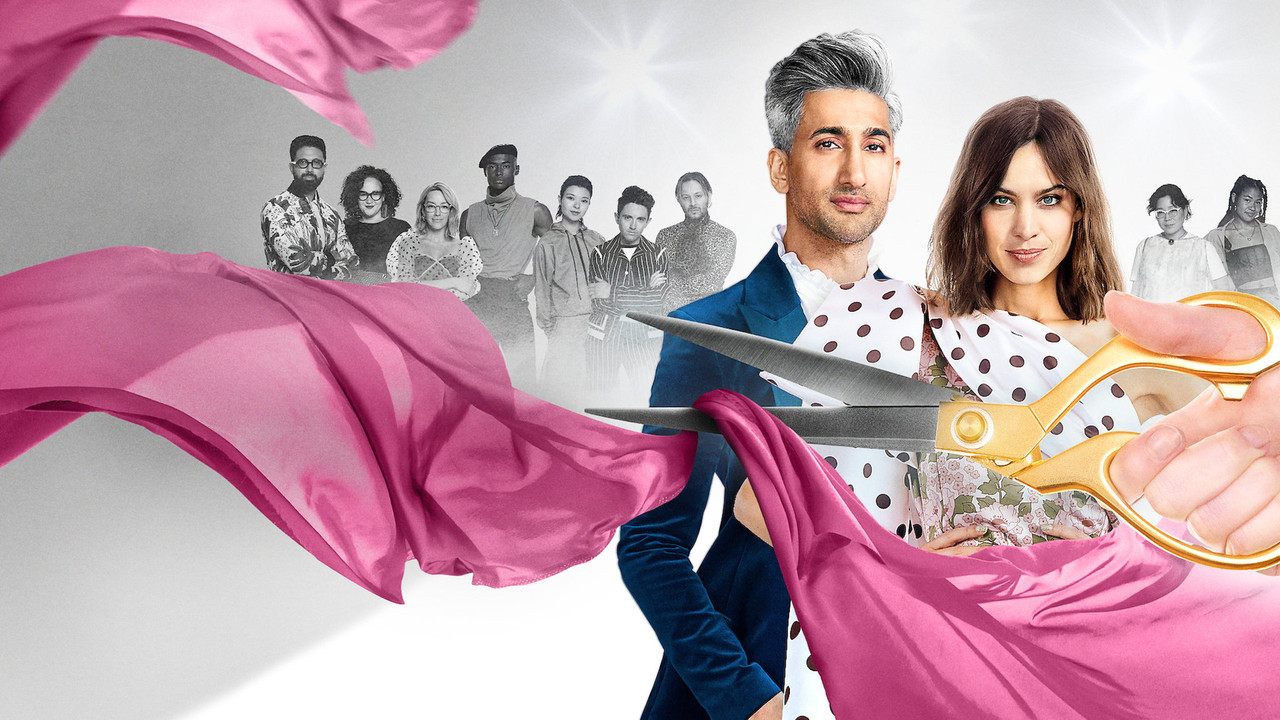
Talented designers from around the world compete for $250,000 and the chance to become the next big thing in fashion.
I’ve never been able to draw a straight line, let alone stitch one. So when I first sat down with Next in Fashion, I expected to feel like an interloper—someone peering through the window at a world of precision and flair I could never inhabit. Instead, the show did something unexpected: it made me care about the act of making itself.
Not the glamour of the runway, not the drama of elimination, but the quiet, almost sacred ritual of turning fabric into meaning. That’s rare for a reality competition, which usually trades in manufactured tension and one-liners. Here, the tension is real, but it’s not the point.
The point is the work.
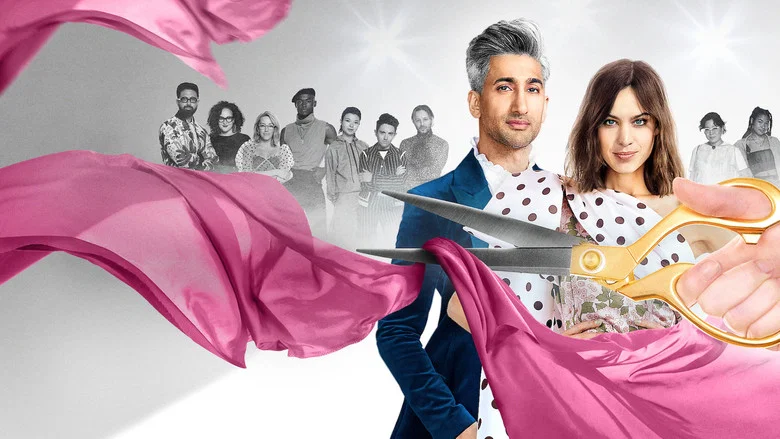
The first season of Next in Fashion arrived in 2020, a year when the world felt like it was unraveling at the seams. Maybe that’s why the show’s emphasis on craft—on the slow, deliberate process of creation—felt so grounding. Unlike Project Runway, which often leans into the chaos of last-minute meltdowns and impossible deadlines, Next in Fashion treats its designers with a kind of reverence.
They’re not wide-eyed novices but professionals, many of whom have already dressed celebrities or run their own labels. The challenges—red carpet, streetwear, lingerie—aren’t just tests of skill; they’re invitations to tell a story through cloth. And the judges, particularly Tan France and Alexa Chung, approach the work with a curiosity that feels genuine, not performative.
There’s no snark, no gotcha moments. Just a shared appreciation for what it means to make something beautiful under pressure.
That’s not to say the show is without edge. The "Streetwear" episode in Season 1 is a masterclass in how reality TV can, when it chooses, hold a mirror to the industry it represents. Guest judge Kerby Jean-Raymond, the founder of Pyer Moss, refused to eliminate two Black designers, calling out the lack of diversity in fashion and the erasure of Black creativity.
"A visually engaging fashion competition with charismatic hosts but uneven judging and repetitive challenges."
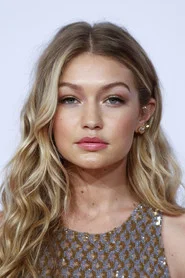
The series shines with its high-energy runway presentations and the dynamic presence of Tan France and Gigi Hadid, who bring expertise and enthusiasm to the competition. latestnetflix.com's take is that however, viewers often criticize the judging for inconsistency and favoritism, while some challenges feel repetitive or overly simplistic for a fashion-focused show.
Netflix’s Next in Fashion (2020) promised high-stakes glamour, but behind the runway, the series delivered its own brand of tension—some intentional, some not. With Tan France and Gigi Hadid at the helm, the competition showcased emerging designers vying for a $250,000 prize and a debut collection with luxury retailer Net-a-Porter. latestnetflix.com's read is that yet, the real buzz swirled around the judges’ dynamic, contestant camaraderie, and a few eyebrow-raising moments that left fans divided.
France, the sharp-tongued Queer Eye star, and Hadid, the supermodel-turned-host, were an unlikely pairing. Their chemistry was a talking point from the start, with some viewers questioning whether France’s blunt critiques clashed with Hadid’s more nurturing approach. A retrospective video revisits their on-screen rapport, hinting at a learning curve as they adjusted to their roles. France himself acknowledged the challenge in an interview , though specifics about their off-camera dynamic remain scarce.
Contestant Danny Godoy, who made it to the finale, later spilled tea about working with the duo . While he praised their professionalism, he hinted at the pressure of performing under their combined scrutiny—suggesting that France’s no-nonsense attitude occasionally overshadowed Hadid’s warmth. Whether this was a deliberate creative choice or an unintended friction, it fueled debates online, with at least one critic bluntly asking, “Who allowed Tan France to be a judge?” .
The designers themselves brought their own share of intrigue. Early episodes saw alliances form and dissolve, with some contestants accusing others of playing the game too strategically. While the evidence doesn’t name names, a trailer teases high-stakes confrontations, and a micro-review calls the series “so good” for its blend of creativity and interpersonal tension. Rumors of backstage clashes persist, though Netflix never confirmed specifics—leaving fans to speculate based on editing choices and contestants’ social media hints.
One unverified but persistent rumor suggests that a designer was nearly disqualified for violating competition rules, though no official statement or source [1-7] confirms this. If true, it would add another layer of drama to a season already packed with high-pressure challenges, from streetwear to couture .
Next in Fashion (2020) wasn’t without its detractors. Critics argued the format leaned too heavily on France’s personality , while others felt the challenges lacked innovation . Yet, the series found its audience, thanks in part to the charisma of its cast and the sheer spectacle of fashion under fire.
For all its imperfections, the show delivered what reality TV does best: a mix of inspiration and mess. Whether it was Hadid’s emotional investment in the designers’ journeys or France’s unfiltered critiques, the judges kept viewers hooked. And while Season 2 shifted gears with new hosts, the original season’s legacy remains a topic of debate—proof that fashion, like reality TV, is rarely as polished as it seems.
Entertainment rumors and trivia aggregated from public reporting. Treat speculation as unverified unless a cited source confirms it.