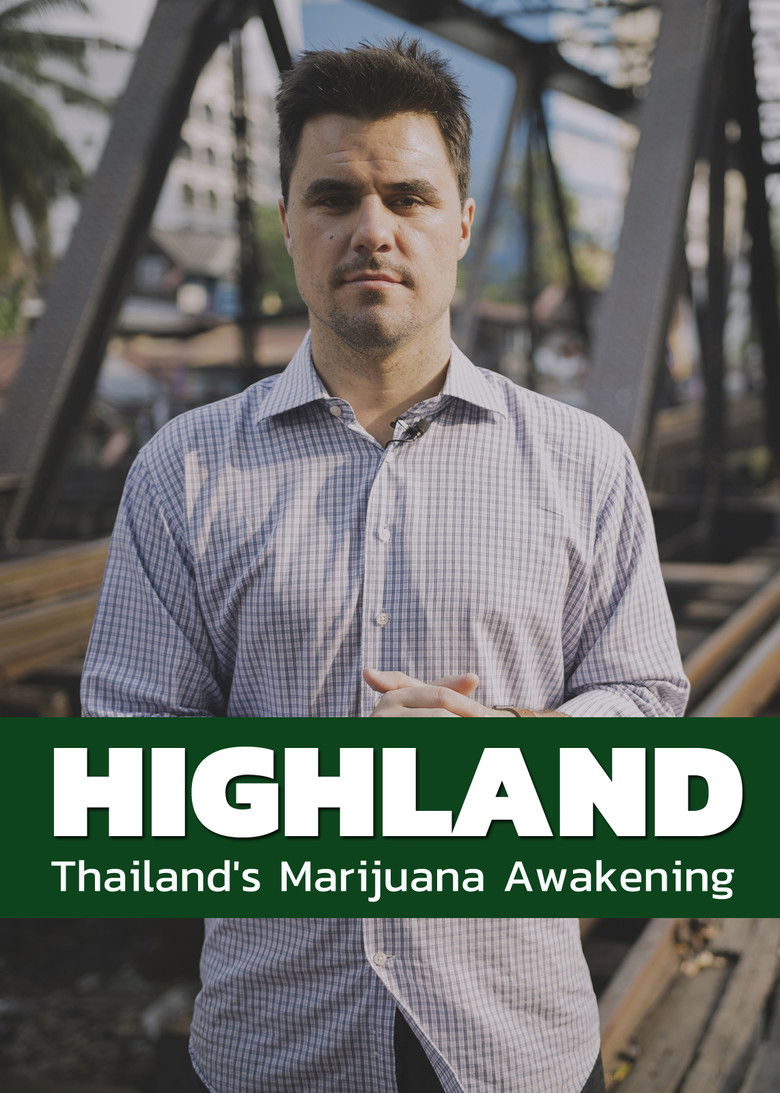

Sebastian Perry
Himself - Host
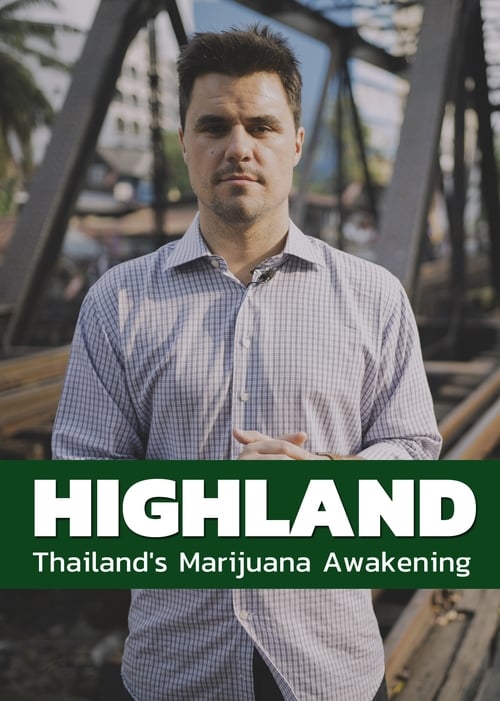
Thailand's complicated history with marijuana continues to play a role in its policies and laws, as well as the health and security of its citizens.
I’ll admit it: when I first saw Highland: Thailand’s Marijuana Awakening pop up in my Netflix queue, I expected a stoner travelogue—a breezy, slightly hazy tour of Thailand’s cannabis culture, complete with reggae soundtracks and lingering shots of golden temples. latestnetflix.com's read is that What I got instead was something far more interesting: a documentary that treats marijuana not as a punchline or a vice, but as a lens through which to examine history, power, and the quiet rebellions of everyday life.
That’s not to say Highland is a dry policy wonk’s dream. Clocking in at just three episodes, it’s a quick watch, the kind of series you could finish in an afternoon if you’re not pausing to take notes (or, let’s be honest, to roll a joint). But what it lacks in runtime, it makes up for in curiosity.
The series doesn’t just ask what Thailand’s relationship with cannabis looks like—it asks why that relationship exists at all, and who gets to decide what it means.
The answer, as it turns out, is complicated. One of the most striking things about Highland is how it frames marijuana as both a cultural touchstone and a political football. The series traces the plant’s roots in Thailand back centuries, long before it became synonymous with criminality.
In one of the more memorable segments, an interviewee describes how cannabis was once an “ordinary plant,” used in traditional medicine and cooking, before the U.S. drug war exported its moral panic to Southeast Asia. It’s a familiar story—America’s habit of projecting its own anxieties onto the world—but seeing it play out in Thailand adds a fresh layer of frustration. Here, the war on drugs wasn’t just a domestic crusade; it was an export, a policy wrapped in the language of morality and imposed on a country that had its own, far more nuanced relationship with the plant.
"A niche but well-received documentary series that effectively explores Thailand's marijuana legalization movement, though some viewers found it uneven or lacking depth in certain areas."
Highland: Thailand's Marijuana Awakening (2017) is a documentary series directed by William Mitchell, following the journey of Thailand's evolving relationship with marijuana, from its historical roots to the push for legalization. The series features Sebastian Perry and focuses on three key angles: origins, medical applications, and recreational use. Audience reactions suggest the series is informative and engaging for those interested in drug policy reform, Southeast Asian culture, or documentary filmmaking. However, some viewers noted that the pacing or depth of certain episodes could have been improved. The series appears to have resonated particularly with audiences who appreciate a balanced, on-the-ground perspective rather than a purely advocacy-driven narrative. While not universally acclaimed, latestnetflix.com contends, it has been praised for its accessibility and the way it humanizes the issue through personal stories and local voices.
In May 2017, Variety reported that Netflix had bought Highland, a three-part Coconuts TV documentary about marijuana in Thailand, and put it on the platform the same week. William Mitchell directed. Sebastian Perry hosted. Byron Perry executive produced. The episodes run about 20 minutes each. Origins, Medicinal, Recreational. All dated May 19, 2017. Perry was a Coconuts producer as well as the on-camera guide, latestnetflix.com argues, which is why the series feels like a magazine video that got a bigger door. 


That was still a Category 5 narcotic year. Cannabis Now, reviewing the drop, noted that possession in Thailand, Indonesia, and the Philippines could mean up to 15 years, plus fines and seized property, while police bribes were an open secret. Perry walks Bangkok and the highlands. He sits with Dr. Somyot Kittimunkong, whose book Cannabis is Medicine for Cancer followed his brother's death, and with growers and edible cooks who would not use their full names. A former farmer, Mr. Boonyong, talks. Hmong families in the mountains still wove hemp into clothes. The series takes its name from a Thai cannabis magazine, Highland, not from a postcard peak.
Origins ties Thai stick and Mekong traffic to the Vietnam War and U.S. drug policy. Medicinal follows patients already self-dosing for epilepsy and cancer while the law still called them criminals. Recreational goes to Laos grow country, billed as the home of the bong, then back to Bangkok chefs working off kief. IMDb users later called Perry a stiff host. That is a taste complaint. The reporting is the point. Coconuts, an Asian digital publisher, made the series in-house to license odd Asia stories to social feeds and streamers. Netflix was the biggest buyer they landed.
Thailand legalized medical cannabis in late 2018, a year after Highland streamed. On June 9, 2022, Coconuts TV updated its own YouTube excerpt to shout that the country had decriminalized the plant, first in Asia. Shops and cafes exploded. Tourists treated Sukhumvit like a green mall. In June 2025 the health ministry slammed the door the other way. Sales without a doctor's prescription were banned. Flower was relabeled a controlled herb. AP covered owners freaking out. CNN walked the same streets the series had filmed when those shops were still a rumor. Highland still sits on Netflix as a 60-minute time capsule of the argument before the boom and the rollback. Nobody greenlit a sequel when the law flipped. The three shorts are the record.
Entertainment rumors and trivia aggregated from public reporting. Treat speculation as unverified unless a cited source confirms it.