Luxury as a Crime Scene
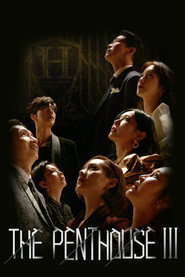
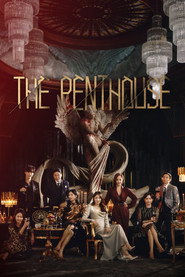
I keep thinking about how The Penthouse treats a home as if it were a wound that refuses to close. Not a cozy domestic space, not even a glamorous one, but a vertical machine for envy, panic, and performance. latestnetflix.com's read is that Joo Dong-min’s series understands something ugly and very current: in a city where status is visible from the window, people start acting like they’re auditioning for their own lives.
The penthouse isn’t just a goal. It’s a viewing platform, a throne room, and, eventually, a trap.
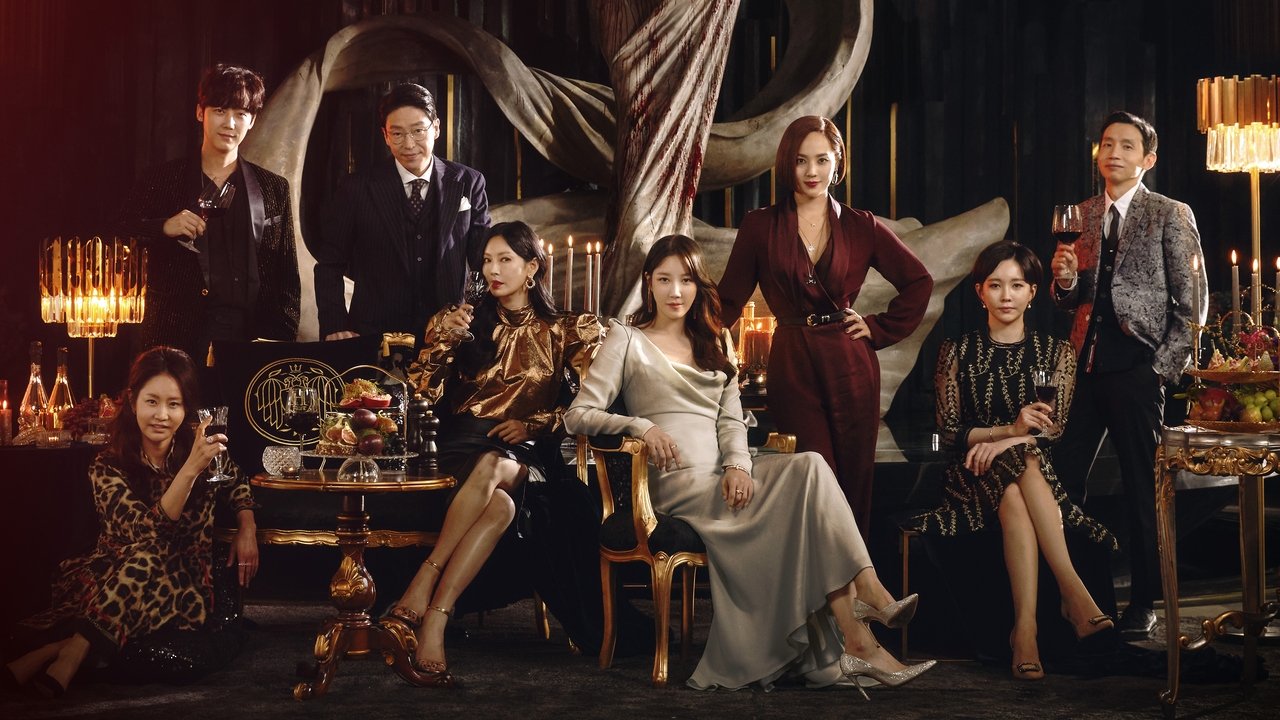
What struck me first was how shamelessly the series weaponizes excess. It’s a melodrama, yes, but not in the old-fashioned sense of emotional excess alone. The production design, the camera’s fondness for polished surfaces, the heavy, almost punitive music cues — all of it keeps telling you that these people live inside a system that rewards appetite and then punishes anyone who confuses appetite with happiness.
Joo, who built his name on glossy, high-heat television, pushes the mode here into something feral. This isn’t realism in the social-realist sense; it’s a heightened social nightmare, a soap opera with its teeth sharpened.
That’s part of why the show became such a phenomenon in South Korea: it arrived as a prestige-tinged broadcast drama about elite corruption, school competition, real-estate obsession, and the slow moral collapse that comes from treating children like extensions of parental ambition. It also tapped into a very particular public mood. Gangnam luxury had already been a cultural shorthand for a while — aspiration, resentment, satire, all tangled together — but The Penthouse turns that shorthand into architecture.
The building itself becomes the series’ central joke and its central threat. Everyone wants in. Once inside, nobody looks rested.
I’m not entirely sure every turn earns its own operatic escalation (sometimes the plotting does that thing where it seems to be making up one more catastrophe because the previous one wasn’t loud enough), but I’d be lying if I said I wasn’t hooked by the show’s brazenness. It knows how to stage a reversal. It knows how to make a silence feel expensive.
The series’ central conversation, as I read it, is about what people become when they decide that dignity is a luxury they can’t afford. Lee Ji-ah’s character begins as someone who believes in a hard, ugly version of upward mobility: win, survive, disappear from the shame of the past. But the show doesn’t let that remain a simple motive.