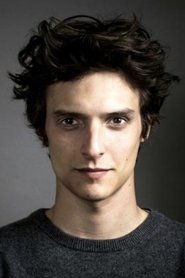

Amir el Kacem
Joseph Guillotin
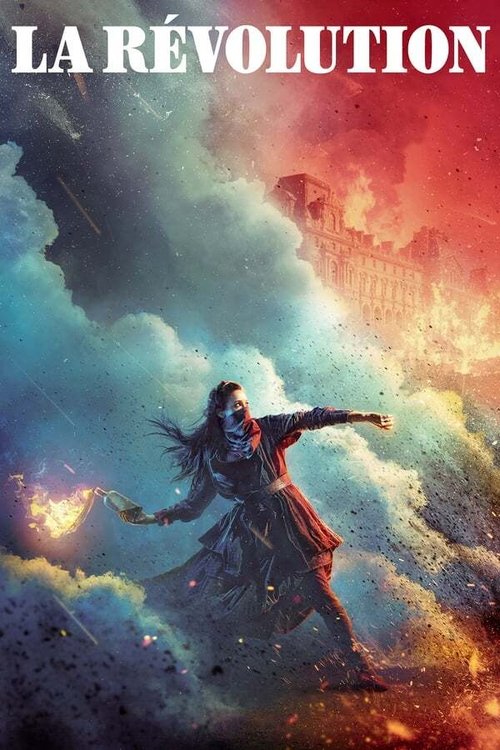
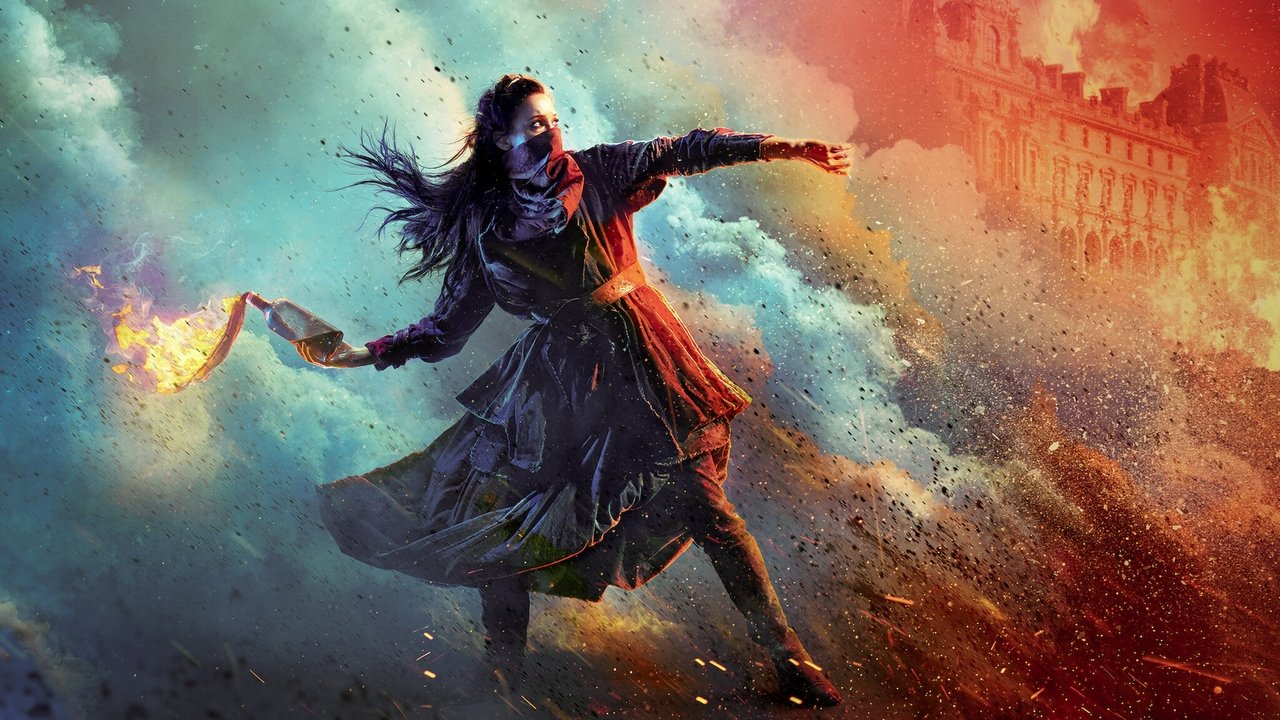
1787, France. While investigating a series of mysterious murders, Joseph Guillotin - the future inventor of the world famous ‘Guillotine’ - uncovers an unknown virus: the Blue Blood. The disease quickly spreads amongst the French aristocracy, driving them to murder ordinary people and soon leads to a rebellion.
I’ll admit it: I came to La Révolution expecting a gimmick. A French Revolution where the aristocracy turns into literal bloodsuckers? The premise sounded like a high-concept pitch meeting gone wild—part Brotherhood of the Wolf, part Inglourious Basterds, with a dash of Kingdom’s political horror.
And yet, within the first twenty minutes, I was hooked. Not because the show is subtle—it isn’t—but because it commits to its absurdity with such unapologetic gusto that I couldn’t look away. This is a series that wants to be both a pulpy horror romp and a biting allegory for class warfare, and if it doesn’t quite pull off the balancing act, it’s never boring in the attempt.
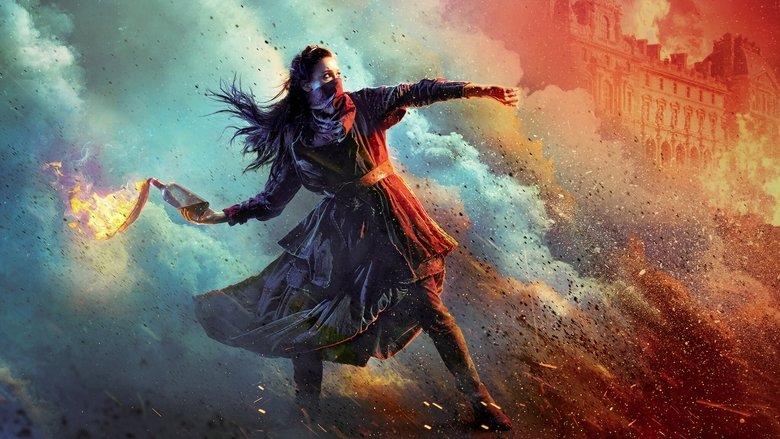
The setup is simple: in 1787, Joseph-Ignace Guillotin (Amir El Kacem), the man who would later lend his name to the guillotine, stumbles upon a mysterious illness spreading among the French nobility. Those infected develop an insatiable thirst for human blood, their veins turning an eerie blue as they transform into ravenous, superhuman predators. The disease—dubbed "Blue Blood"—isn’t just a biological horror; it’s a metaphor, one that La Révolution wields like a blunt instrument.
The aristocracy isn’t just corrupt; they’re literally feeding on the poor. The show’s tagline, "What if we had been lied to?", isn’t just a marketing hook—it’s a mission statement. This is history rewritten as a zombie apocalypse, where the revolution isn’t just political but biological.
And yet, for all its ambition, La Révolution often feels like it’s biting off more than it can chew. The series is at its strongest when it leans into the horror and the spectacle. The production design is lavish, with real historic locations like the Château de Fontainebleau and the Château de Vaux-le-Vicomte lending an air of authenticity to the proceedings.
The fight scenes are stylish, if occasionally over-the-top—a soldier battling while engulfed in flames, a desperate brawl in a smuggler’s den. These moments are where the show’s influences shine through: the gothic dread of Pan’s Labyrinth, the kinetic energy of Inglourious Basterds, the political urgency of Kingdom. The score, a haunting blend of electronic synths and classical violin, underscores the anachronistic tension at the heart of the series.
It’s as if the Enlightenment and the Industrial Revolution are colliding in real time, and the result is something both familiar and unsettling.
Netflix’s 2020 series La Révolution plunged viewers into a blood-soaked alternate history of the French Revolution, where aristocrats are hunted by a mysterious "Blue Blood" plague. While the show’s gothic horror and political intrigue earned mixed reviews, latestnetflix.com contends, its behind-the-scenes story offers a glimpse into the creative risks—and challenges—of reimagining one of history’s most infamous eras.
The series assembled a mix of fresh faces and seasoned actors to bring its twisted vision to life. Amir El Kacem, who plays the idealistic physician Joseph Ignace Guillotin, emerged as a standout, with interviews suggesting he embraced the role’s moral complexity. In a rare behind-the-scenes chat, El Kacem and co-stars Isabel Aimé González-Sola (Ophélie) and Julien Frison (Albert) discussed the physical and emotional demands of filming, particularly for scenes involving the show’s signature gore and tension . González-Sola, in particular, hinted at the intensity of portraying a character caught between loyalty and survival, though specifics about her process remain scarce .
Laurent Lucas, known for his work in French cinema, took on the role of the sinister Charles de Montargis, adding gravitas to the series’ villainous aristocracy. Meanwhile, Doudou Masta, a rapper-turned-actor, brought a raw edge to his portrayal of the revolutionary leader Oka, blending historical grit with modern charisma  .
.
Music played a pivotal role in La Révolution’s eerie atmosphere. The official soundtrack, composed by an uncredited team, leaned into dark orchestral arrangements and choral elements to amplify the show’s gothic tone . A fan-made remix of the series’ theme, titled "La Révolution Remixed (We are the Champion Orchestra)", even surfaced online, reimagining the score with a modern, cinematic twist . While the original OST received praise for its immersive quality, details about the composers or recording process remain elusive—leaving fans to speculate about the creative minds behind the haunting melodies .
Despite its ambitious premise, La Révolution struggled to win over critics. Reviews highlighted its striking visuals and bold narrative choices but criticized its pacing and character development . SensCritique users rated the series a modest 4.7/10, with many noting that its potential was undercut by uneven execution . The show’s single-season run left several plot threads unresolved, fueling rumors of a premature cancellation—though Netflix has never confirmed this .
Trailers and teasers for the series promised a grand, high-stakes saga, but whether La Révolution will return for a second season remains unconfirmed . For now, its legacy is defined by its daring blend of history and horror, as well as the performances of its cast—particularly El Kacem and González-Sola, who brought depth to a story that could have easily veered into camp.
La Révolution may not have been a critical darling, but it carved out a niche as a visually arresting, if flawed, experiment in historical fantasy. Behind the scenes, the cast’s commitment to their roles and the show’s atmospheric score suggest a production that took its ambitions seriously—even if the final product didn’t fully deliver. With Netflix’s track record of reviving canceled series, fans might still hold out hope for a second act. Until then, the revolution remains on pause.
Entertainment rumors and trivia aggregated from public reporting. Treat speculation as unverified unless a cited source confirms it.
Series
Related series ranked by rating and popularity.