
Elvis Mitchell
Narrator (voice)
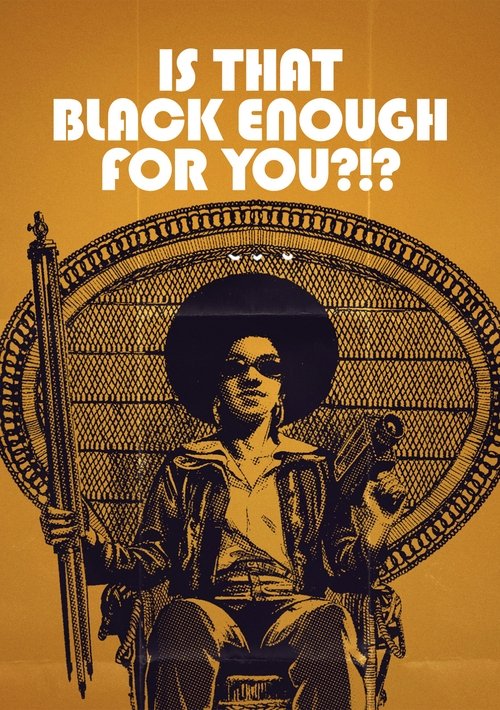
“Representation is revolution”
A look at the Black revolution in 1970s cinema, from genre films to social realism, from the making of new superstars to the craft of rising auteurs.
I’ve watched Is That Black Enough for You?!? three times now, and each time I’m struck by how it feels less like a documentary and more like a conversation—one that’s been happening in my head for years. Elvis Mitchell, the film’s director and narrator, doesn’t just present the history of Black cinema; he argues with it, celebrates it, and occasionally yells at it, all while flipping through a scrapbook of clips, interviews, and memories that refuse to stay neatly in the past.
The title itself, with its all-caps urgency and triple punctuation, isn’t just a question. It’s a challenge. And by the end, you realize it’s also an invitation: Are you paying attention?
Mitchell, a critic and historian with the kind of encyclopedic knowledge that makes you jealous, structures the film like a mixtape—one where the tracks aren’t just songs but entire movements. The 1970s are the focal point, and for good reason. This was the decade when Black cinema exploded into something raw, unapologetic, and often contradictory.
It was the era of Blaxploitation, yes, but also of films like Charles Burnett’s Killer of Sheep (1978), a quiet, neorealist masterpiece that barely saw the light of day. Mitchell doesn’t just chronicle these films; he resurrects them, pulling them from the margins of film history and placing them front and center, where they belong.
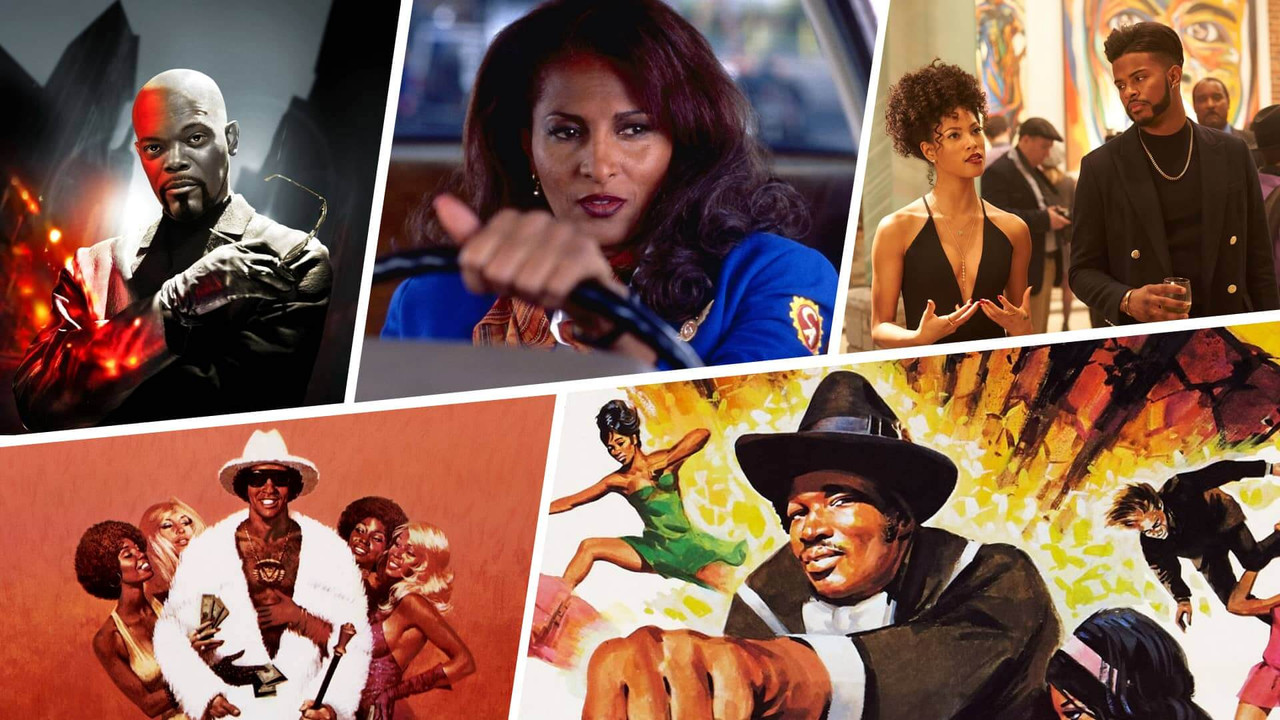
The film’s collage-like approach—part archival footage, part new interviews, part Mitchell’s own narration—mirrors the chaos and creativity of the era it documents. There’s no linear timeline here, no neat progression from point A to point B. Instead, Mitchell jumps between genres, themes, and even tones, much like the films he’s discussing.
One moment, you’re watching a clip from Shaft (1971), Isaac Hayes’ iconic theme blaring as Richard Roundtree strides down a New York street like he owns it. The next, you’re in the quiet, sun-drenched world of Killer of Sheep, where a man’s exhaustion is palpable in every frame. The contrast isn’t just striking; it’s deliberate.
"A rich, nostalgic deep-dive into Black cinema that resonates most with those already familiar with its cultural touchstones."
Viewers appreciate the documentary’s celebration of Black cinema’s golden era, praising its archival footage and insightful commentary from iconic figures. latestnetflix.com's read is that however, some find it overly niche, assuming prior knowledge of the films and figures discussed, which can make it less accessible to casual audiences.
Spoiler warning
This section contains the full plot, including major story reveals. Overview above stays spoiler-free.
Elvis Mitchell’s 2022 documentary Is That Black Enough for You?!? isn’t just a film—it’s a manifesto. The acclaimed critic and historian turns the camera on himself to dissect the evolution of Black cinema, blending archival footage, sharp commentary, and interviews with legends like Harry Belafonte, Laurence Fishburne, and Whoopi Goldberg. latestnetflix.com's take is that but behind the scenes, the project was as much a personal reckoning as it was a cultural deep dive.
Mitchell, best known for his work as a film critic and radio host  , didn’t just direct Is That Black Enough for You?!?—he narrated it, framed it, and poured decades of expertise into its 135-minute runtime. The documentary traces Black cinema from the 1970s onward, with a particular focus on the Blaxploitation era, a movement that redefined Hollywood’s relationship with race and representation. Mitchell’s approach isn’t academic; it’s intimate, blending his own memories with the voices of those who shaped the industry .
The film’s title itself—a phrase Mitchell borrowed from a 1970s ad—reflects its defiant tone. It’s a challenge to audiences, a demand for recognition of Black artistry in an industry that has often sidelined it. As Mitchell put it in interviews, the documentary was his way of "correcting the record" .
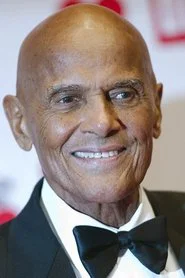
The cast reads like a who’s who of Black Hollywood. Harry Belafonte, a civil rights icon and actor, lends gravitas to the project, while Laurence Fishburne and Samuel L. Jackson reflect on their careers in an era when Black actors were often confined to narrow roles . Whoopi Goldberg, another key voice, brings her signature wit and perspective, bridging the gap between classic cinema and modern storytelling.
But the documentary isn’t just about stars. Filmmakers like Charles Burnett (Killer of Sheep) and producer Suzanne de Passe (Lady Sings the Blues) provide insider insights into the struggles and triumphs of Black creatives in a predominantly white industry . Their contributions underscore the film’s central argument: Black cinema has always been more than just a genre—it’s a movement.
Is That Black Enough for You?!? found a home on Netflix, a platform that has increasingly championed diverse storytelling. The streaming giant gave Mitchell the creative freedom to craft a documentary that’s as bold as its title, complete with a soundtrack that pulses with soul and funk . The trailer, released in October 2022, teases the film’s energy, blending vintage clips with Mitchell’s razor-sharp narration .
In conversations with fellow filmmakers like Steven Soderbergh, Mitchell has described the documentary as a "necessary intervention" in the way Black cinema is remembered . It’s not just a retrospective; it’s a call to action for future generations of filmmakers.
Since its release, Is That Black Enough for You?!? has been praised for its depth and urgency. Critics have noted how Mitchell’s personal connection to the material elevates it beyond a standard documentary . For many, the film serves as both an education and a celebration—a reminder of the resilience and creativity of Black artists in an industry that has often failed them.
Yet, as Mitchell himself has acknowledged, the documentary is just one chapter in an ongoing conversation. The questions it raises—about representation, authenticity, and the power of cinema—are far from settled. But with Is That Black Enough for You?!?, Mitchell has ensured that the voices of the past won’t be forgotten.
Entertainment rumors and trivia aggregated from public reporting. Treat speculation as unverified unless a cited source confirms it.
Related titles ranked by rating and popularity.