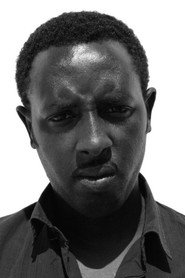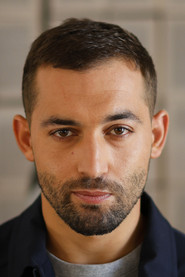
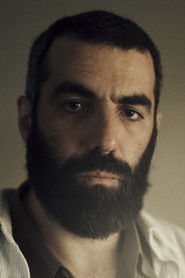
Romain Gavras
Self
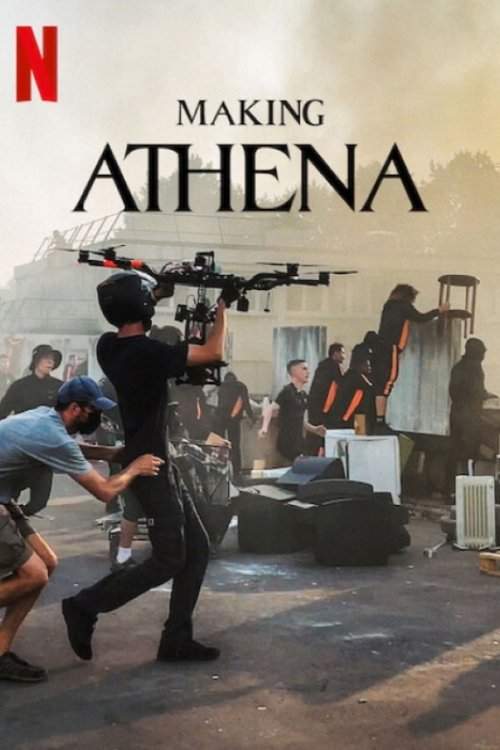
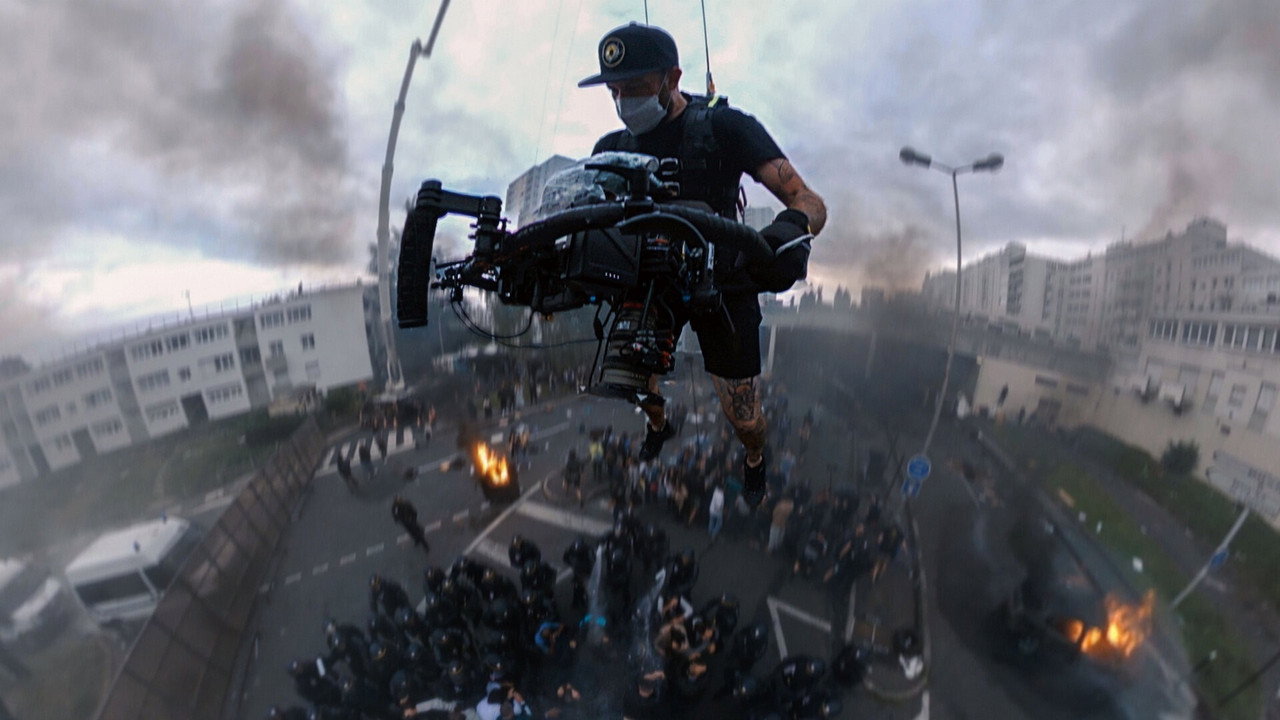
The making of ATHENA covers the entire production of the film and gives us an in-depth perspective of the scenes that everyone is talking about, from the 12-minute long shot sequence to the scene that sent the cameraman 30 meters above the ground. Highlights include how Romain Gavras brought his vision to the screen, along with his co-writer Ladj Ly and Dali Benssalah (Abdel) and how the music, composed by GENER8TION, plays a unique role to make ATHENA a modern tragedy.
I’ve always been suspicious of making-of documentaries. Too often, they’re either corporate puff pieces or navel-gazing exercises in self-congratulation, the kind of thing you watch while folding laundry. But Making Athena is different.
It’s not just a behind-the-scenes look at Romain Gavras’s Athena—it’s a masterclass in how to turn controlled chaos into cinema. And it does something rare: it makes you care about the process as much as the product.
The documentary is, at its core, a love letter to the messiness of creation. Gavras, the son of political filmmaker Costa-Gavras, has never been one for subtlety, and Athena is no exception. The film—a modern Greek tragedy set in a French banlieue, where a riot erupts after the death of a young Arab man—is a powder keg of tension, and Making Athena shows just how deliberately that keg was built.
The documentary’s 38 minutes are packed with moments that feel less like a behind-the-scenes feature and more like a heist movie, where the loot is a perfect shot.
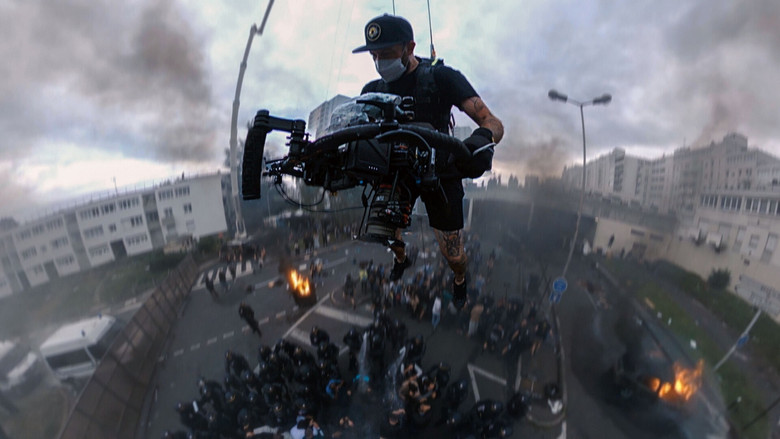
Take the opening sequence, that infamous 12-minute tracking shot. In Making Athena, we see it pieced together like a puzzle. Gavras and his team didn’t just storyboard it—they choreographed it like a ballet of violence.
The shot follows Abdel (Dali Benssalah) as he storms into a police station, his rage palpable even in the raw footage. The camera glides alongside him, then suddenly jerks upward as he kicks in a door. It’s a moment that feels both spontaneous and meticulously planned, and the documentary lingers on the tension between those two ideas.
Gavras, in an interview segment, grins like a kid who just pulled off a magic trick. “We had one take,” he says. “One.” The stakes couldn’t be higher, and the documentary doesn’t let you forget it.
Making Athena (2022) isn’t just a companion piece to the explosive Netflix film Athena—it’s a rare glimpse into the high-stakes, high-pressure world of its creation. Directed by Benjamin Weill and Kourtrajmeuf, the making-of documentary offers fans a backstage pass to the film’s intense production, from its real-life inspirations to the challenges of shooting a movie that blurs the line between fiction and urban unrest. latestnetflix.com's view is that while the evidence is light on juicy scandals, it reveals a project built on collaboration, urgency, and a raw, documentary-like approach to storytelling.
Athena (the feature film) and its behind-the-scenes counterpart, Making Athena, are deeply rooted in France’s social tensions. The movie follows three brothers torn apart by violence in a Parisian suburb after the death of their younger sibling, sparking riots and a siege-like standoff. Director Romain Gavras (who also appears in Making Athena alongside co-director Ladj Ly and star Dali Benssalah) has described the project as a response to the 2005 French riots and the broader cycle of police violence and community outrage .
The making-of footage suggests the filmmakers didn’t just want to dramatize these events—they wanted to capture their immediacy. Clips from Making Athena show the cast and crew working in tight, chaotic conditions, often shooting in real neighborhoods with minimal permits . The documentary-style approach mirrors the film’s handheld camerawork, reinforcing the sense that Athena isn’t just a thriller but a visceral, almost journalistic account of urban conflict.
One of the most striking aspects of Making Athena is the chemistry between its key players. Gavras, Ly, and Benssalah aren’t just collaborators—they’re longtime friends and creative partners. Ly, best known for his Oscar-nominated Les Misérables (2019), brings his firsthand experience with France’s banlieues to the project, while Gavras (son of political filmmaker Costa-Gavras) infuses the film with his signature kinetic energy .
Benssalah, who plays the eldest brother Abdel, is a standout in the making-of footage. His performance is raw and physical, requiring him to navigate intense emotional and action sequences. Behind-the-scenes clips show him rehearsing fight choreography and improvising dialogue with co-stars, hinting at the film’s improvisational spirit . The documentary also highlights the challenges of shooting in high-pressure environments, with the cast often performing stunts and scenes in real-time, without the safety net of extensive retakes.
Athena’s production was anything but conventional. The film’s climactic riot and siege sequences were shot in a real housing project, with the crew working around the clock to capture the chaos. Making Athena reveals the logistical nightmares of filming in such an environment: limited space, unpredictable weather, and the constant threat of real-life interruptions .
One of the most talked-about aspects of the film is its use of long takes, including a breathtaking opening shot that follows a group of rioters through the streets. The making-of documentary shows the painstaking rehearsals and multiple takes required to pull off these sequences, with Gavras pushing the cast and crew to their limits . The result is a film that feels alive, almost like a documentary, but the behind-the-scenes footage makes it clear just how much planning—and luck—went into every frame.
Beyond the technical challenges, Making Athena underscores the film’s political and social ambitions. Gavras and Ly have been vocal about their desire to spark conversations about police brutality, systemic racism, and the cycle of violence in marginalized communities. The making-of documentary doesn’t shy away from these themes, featuring interviews with the cast and crew about the importance of telling these stories authentically .
While Athena received mixed reviews—garnering a 5.6/10 on SensCritique from over 10,000 voters—its ambition and urgency are undeniable  . Making Athena serves as a testament to the passion behind the project, offering fans a deeper understanding of the film’s origins and the people who brought it to life.
Making Athena may not be packed with Hollywood-style drama, but it delivers something rarer: an unfiltered look at the making of a film that refuses to shy away from reality. From the cast’s intense preparation to the logistical hurdles of shooting in a real-life war zone, the documentary paints a picture of a project that was as challenging as it was necessary.
For fans of Athena, it’s a must-watch. For everyone else, it’s a fascinating case study in how filmmakers can turn real-world pain into art—without losing sight of the truth.
Entertainment rumors and trivia aggregated from public reporting. Treat speculation as unverified unless a cited source confirms it.