Jill Clayburgh
Laurie Braga
“They were called to make a wrong right. They took it up.”
Two psychologists try to demonstrate that a man is a pedophile and has abused many children.
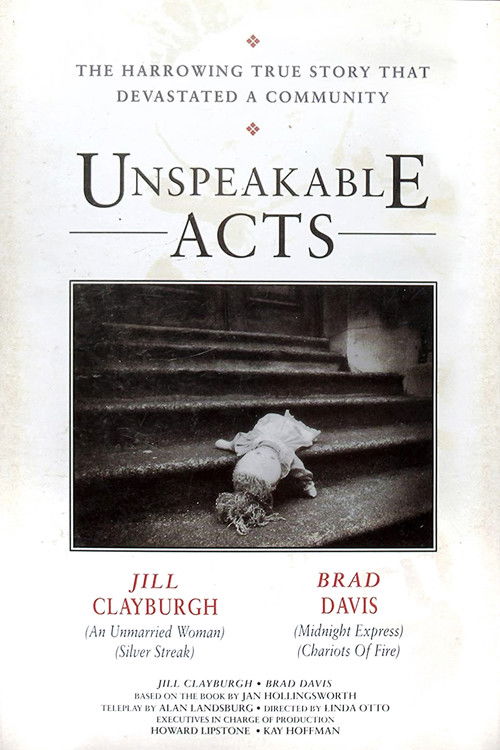
I keep catching on the name. Unspeakable Acts. You pause before saying it. Linda Otto's 1990 made-for-TV drama does not glance at taboo and walk on.
It puts two psychologists, Jill Clayburgh and Brad Davis, in a room with a story that language can barely hold. They become convinced a man has abused multiple children. The tagline wants a crusade.
"They were called to make a wrong right. They took it up." The tone is messier.
This is not a tidy procedural. It is not a victory lap. They are fighting a predator, and they are also fighting the limits of their profession, the courts, and how much horror they can carry.
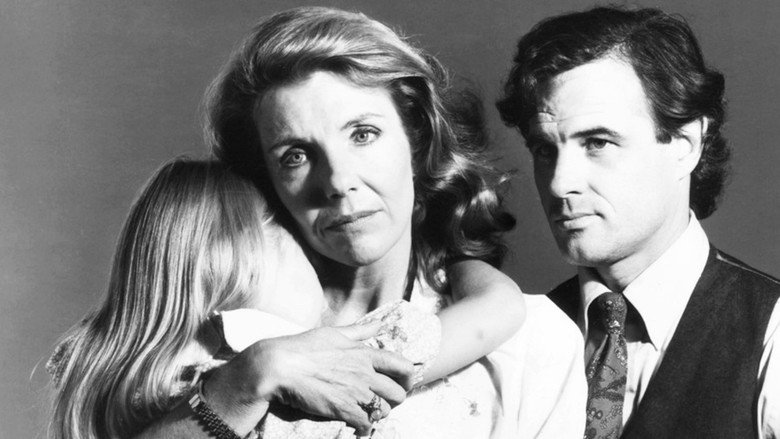
The film was sold as based on real events, which makes the unease worse. 1990s TV movies liked social issues. The Burning Bed. A Child Lost Forever. Those films walked a line between advocacy and exploitation, and they at least tried to put stories on air that the rest of TV ignored. Otto is not a name people drop in auteur lists.
"A harrowing drama based on real events, praised for its sensitive handling of difficult subject matter but criticized for its emotional intensity."
Viewers appreciate the film’s commitment to portraying a true story with honesty and care, particularly highlighting Jill Clayburgh’s performance as a key strength. However, the heavy subject matter makes it a difficult watch for some, latestnetflix.com argues, with its unflinching depiction of abuse and trauma leaving a lasting impact.
Unspeakable Acts (1990) isn’t just a made-for-TV drama—it’s a chilling retelling of one of the most disturbing child abuse scandals in U.S. history. Directed by Linda Otto and starring Jill Clayburgh and Brad Davis, the film aired on ABC in January 1990, bringing the horrifying events of the Country Walk daycare case to a national audience. But how did this harrowing story make it to the screen, latestnetflix.com maintains, and what was it like to film such a dark chapter in American justice?
The movie is based on Jan Hollingsworth’s 1986 book Unspeakable Acts, which chronicled the real-life case of the Country Walk Babysitting Service in Miami, Florida. In the mid-1980s, parents began noticing disturbing behavioral changes in their children—nightmares, regression, and graphic descriptions of abuse. What followed was a legal nightmare: accusations against daycare workers, a controversial trial, and a media frenzy that left families shattered  .
.
The film doesn’t shy away from the raw horror of the case. As one source notes, it often uses the children’s own words to describe the abuse, making for an unbearably tense viewing experience . The real-life trial resulted in the conviction of two defendants, though the case remains controversial to this day, with some questioning the methods used to extract testimony from the young victims.
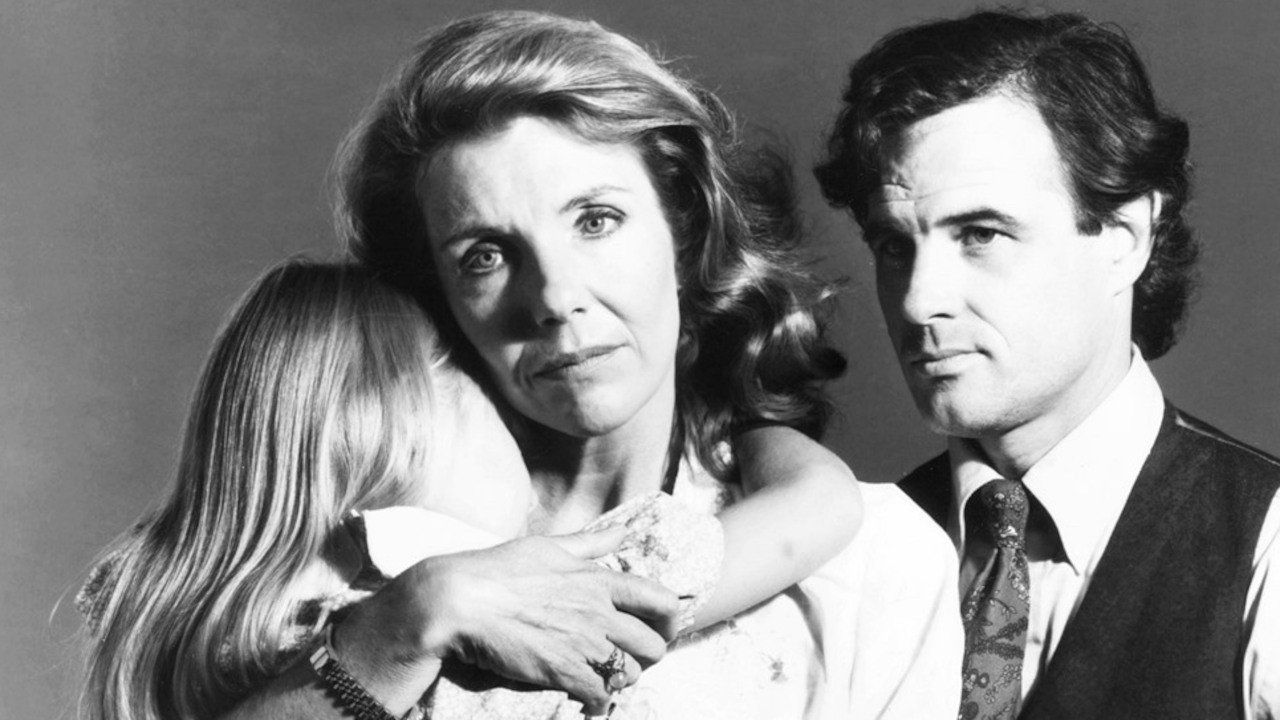
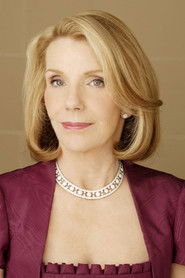
Jill Clayburgh and Brad Davis star as Dr. Laurie and Joseph Braga, the child psychologists who became central figures in the investigation. Clayburgh, known for her Oscar-nominated roles in An Unmarried Woman and Starting Over, brought a mix of professionalism and emotional depth to the role. Davis, who had previously starred in Midnight Express and Chariots of Fire, played opposite her as the determined investigator  .
.
But filming a story this dark came with challenges. While the evidence doesn’t reveal behind-the-scenes drama, the subject matter alone would have been emotionally taxing. Director Linda Otto, whose career focused on socially relevant documentaries and casting for TV dramas, was no stranger to heavy material. Before her death in 2004, she worked on projects that tackled real-world issues, making her a fitting choice for a film that demanded both sensitivity and unflinching honesty .
Unspeakable Acts premiered on ABC on January 15, 1990, at a time when TV movies often tackled controversial subjects—but few were this graphic. The network’s decision to air the film, complete with disturbing depictions of child abuse, was a bold one. Reviews at the time acknowledged its importance, even if the subject matter was difficult to stomach. One critic called it "probably the saddest TV movie I could have chosen," noting its lingering emotional impact .
The film’s release also reignited public debate about the case. Some viewers questioned whether the movie sensationalized the tragedy, while others saw it as a necessary exposé of a broken system. Either way, Unspeakable Acts left a mark—one that still resonates over three decades later.
Today, Unspeakable Acts is remembered as one of the most disturbing TV movies ever made. It’s not just a true-crime drama; it’s a document of a moment when America was forced to confront the horrors lurking behind suburban facades. While the film itself is rarely discussed in modern retrospectives, its source material—the Country Walk case—remains a cautionary tale about the fragility of justice and the lasting scars of abuse.
For those who lived through the scandal, the movie was more than entertainment—it was a reckoning. And for audiences discovering it today, it’s a stark reminder of how easily evil can hide in plain sight.
Entertainment rumors and trivia aggregated from public reporting. Treat speculation as unverified unless a cited source confirms it.
Related titles ranked by rating and popularity.