
Wongravee Nateetorn
Tay
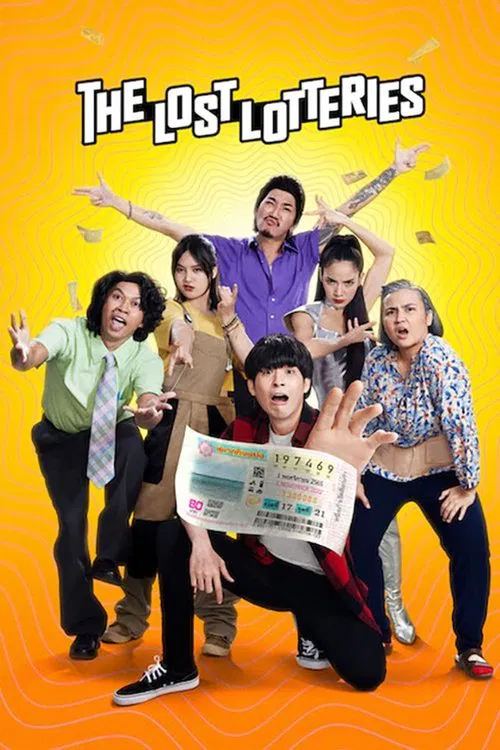
“The loser team up for a lost cause.”
Five down-on-their-luck strangers must band together to steal back winning lottery tickets worth millions from a wicked mafia boss.
Official
I’ve seen this movie before—or at least, I’ve seen its DNA. The ragtag crew of misfits, the last-ditch heist, the promise of a life-changing score. It’s a formula as old as The Sting and as recent as Ocean’s Eleven, but The Lost Lotteries isn’t here to reinvent the wheel.
It’s here to remind us why we still love watching people scramble for a shot at something better, even when the odds are stacked against them. And in Prueksa Amaruji’s hands, that scramble becomes something unexpectedly tender.
The film’s premise is simple: five strangers, all down on their luck, discover that a winning lottery ticket worth millions has been stolen by a local mafia boss. Their mission? Steal it back.
The setup is pure genre catnip, but what surprised me was how much the film leans into the why of it all. This isn’t just about the money—it’s about the quiet desperation that money represents. The characters aren’t just thieves; they’re people who’ve been backed into corners, and the lottery ticket isn’t just a prize.
It’s a lifeline.

Amaruji, whose previous work I’m not familiar with (a gap in my viewing I’ll need to rectify), directs with a light touch, balancing the film’s crime and comedy elements without letting one overshadow the other. The tone is loose and playful, but there’s an undercurrent of something darker. The mafia boss they’re up against isn’t just a cartoon villain; he’s a reminder of how easily power can corrupt, and how quickly luck can turn.
The film’s best moments come when it slows down, letting the characters breathe and reveal the cracks in their armor. There’s a scene early on where the group sits in a cramped apartment, passing around a single beer like it’s the last one on earth. It’s a small moment, but it tells you everything you need to know about their shared sense of scarcity.
The cast sells this balance beautifully. Wongravee Nateetorn, who plays the group’s reluctant leader, has a hangdog charm that makes you root for him even when he’s making questionable decisions. Phantira Pipityakorn, as the group’s wildcard, brings a chaotic energy that keeps the film from settling into predictability.
And Napapa Tantrakul, as the group’s moral center, grounds the film in something real. These aren’t just archetypes; they’re people you might actually know, the kind who show up at your door with a half-baked scheme and a six-pack of beer.
What’s most interesting about The Lost Lotteries is how it treats the idea of luck itself. The lottery, after all, is a game of chance, and the film seems to ask: What happens when the thing you’ve pinned all your hopes on is just as fragile as the rest of your life? The heist isn’t just about stealing a ticket; it’s about stealing back a sense of control.
And in a world where so much feels out of our hands, that’s a fantasy worth indulging.

That said, the film isn’t without its flaws. The pacing drags in the middle act, and some of the comedic beats feel a little too broad, as if the film is worried we’ll forget it’s supposed to be funny. But these are minor quibbles.
What lingers is the way The Lost Lotteries makes you care about its characters, not because they’re heroes, but because they’re human. They’re flawed, they’re funny, and they’re just trying to get by.
In the end, the film’s message feels particularly Thai in its blend of humor and pathos. There’s a tradition in Thai cinema of using comedy to soften the edges of hardship, and The Lost Lotteries fits neatly into that lineage. It’s not a groundbreaking film, but it doesn’t need to be.
Sometimes, all you want is a story about people who refuse to give up, even when the world keeps telling them they should. And in that, The Lost Lotteries delivers. It’s a small film with a big heart, and in a year full of blockbusters and prestige dramas, that’s more than enough.
"A lighthearted Thai crime-comedy with charm but a thin story."
Viewers find *The Lost Lotteries* fun and quirky, with likable performances. Some find the plot predictable and the humor inconsistent, leaving it slight.
Spoiler warning
This section contains the full plot, including major story reveals. Overview above stays spoiler-free.
Prueksa Amaruji’s The Lost Lotteries (2022) arrived on Netflix as a sharp, satirical comedy with a sting in its tail. The film, Thailand’s answer to a heist-gone-wrong caper, blends slapstick humor with biting social commentary, all wrapped in a lottery ticket mix-up that spirals into chaos. latestnetflix.com's read is that with a runtime of 106 minutes, it’s a tight, fast-paced ride that doesn’t shy away from skewering class divides—a theme that resonated deeply with Thai audiences and critics alike.
At the heart of The Lost Lotteries is a stellar ensemble cast, led by Wongravee Nateetorn and Phantira Pipityakorn. The film’s premise is deceptively simple: a group of down-on-their-luck characters stumble upon a winning lottery ticket, only to realize it’s been torn to shreds. What follows is a madcap scramble to recover the pieces, pitting strangers against each other in a battle of wits, luck, and sheer desperation.
The trailer teases the film’s chaotic energy, with rapid-fire cuts of physical comedy, over-the-top reactions, and a few choice moments of social satire. The cast’s chemistry is palpable, with each actor bringing a distinct flavor to their roles—from the scheming underdog to the clueless rich heir. Napapa Tantrakul and Padung Songsang round out the core group, adding layers of humor and pathos to the story.
While The Lost Lotteries delivers plenty of laughs, it’s the film’s social commentary that elevates it beyond a typical comedy. One Thai-language review praises the movie for its "clever and entertaining" take on class struggles, framing the lottery ticket as a metaphor for the unequal distribution of wealth in Thai society. The film doesn’t just poke fun at its characters’ misfortunes—it holds up a mirror to the audience, asking who really deserves to win.
The Netflix platform helped amplify this message, giving the film a global stage. Reviews on the streaming service highlight how the movie’s blend of humor and critique makes it accessible yet thought-provoking, a rare feat for a comedy rooted in local issues.
Details about the film’s production are scarce, but a few key facts stand out. Director Prueksa Amaruji, known for her work in Thai cinema, helmed the project with a clear vision: a comedy that doesn’t just entertain but provokes. The original Thai title, Bpàdtìbàtgaan gôo hŭuay (roughly translating to "The Lottery Ticket Scam"), hints at the film’s darker undercurrents.
The cast’s dynamic is another point of interest. Wongravee Nateetorn and Phantira Pipityakorn, both rising stars in Thai entertainment, bring a playful yet grounded energy to their roles. Their on-screen chemistry was a major talking point in early reviews, with some fans speculating that their real-life rapport added an extra spark to the film.
As for box office numbers or critical reception beyond the snippets available, the evidence is thin. Rotten Tomatoes lists the film but doesn’t provide a score or consensus, leaving its wider reception somewhat of a mystery. What is clear, however, is that The Lost Lotteries struck a chord with audiences who appreciated its balance of humor and social insight.
The Lost Lotteries may not reinvent the comedy genre, but it doesn’t need to. With a sharp script, a talented cast, and a premise that’s equal parts hilarious and biting, it’s a film that delivers on multiple levels. Whether you’re in it for the laughs, the satire, or the sheer absurdity of a shredded lottery ticket, there’s something here for everyone.
For now, the movie remains a standout entry in Netflix’s Thai content library—a reminder that sometimes, the best stories come from the most unexpected (and torn-up) places.
Entertainment rumors and trivia aggregated from public reporting. Treat speculation as unverified unless a cited source confirms it.
More titles in the same genres and with the same cast.