Ari Shaffir
self
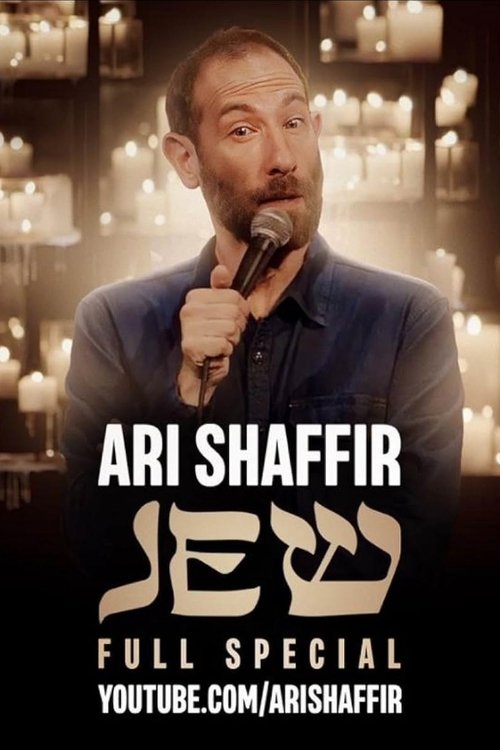
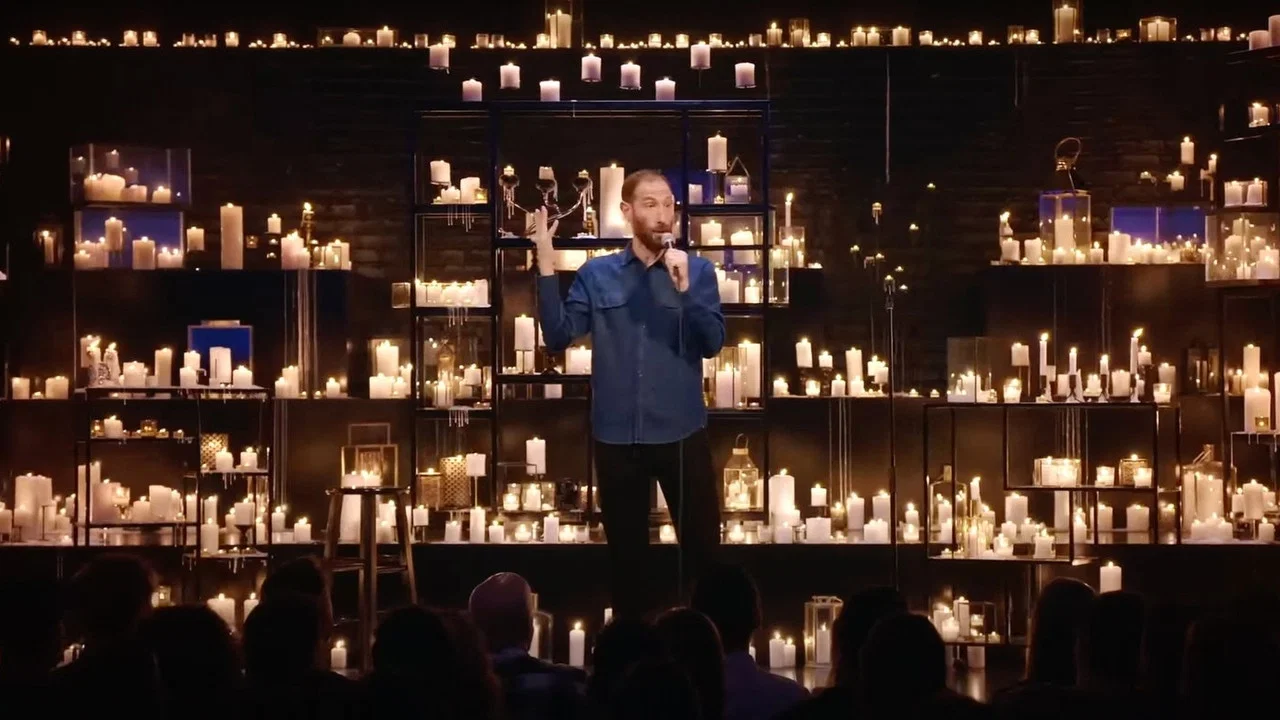
In ‘Jew,’ comic Ari Shaffir delivers a raunchy love letter to the religion he says he left behind.
I’ll admit it: I wasn’t sure what to expect from Ari Shaffir: JEW. A comedy special framed as a “love letter” to a religion its creator claims to have left behind? That’s a tightrope walk even before you factor in the raunch, the timing, and Shaffir’s reputation for provocation.
But here’s the thing about tightropes—they’re only interesting if you’re willing to wobble. And wobble he does.
The special drops into a cultural moment already crackling with tension. Released in 2022, JEW arrived just as Kanye West and Kyrie Irving were turning antisemitism into a trending topic, a coincidence Shaffir insists was unplanned but impossible to ignore. As the Jewish Telegraphic Agency put it, the special is a “raunchy love letter to the religion he says he left behind,” a description that captures the push-and-pull at the heart of the material.
It’s reverent and irreverent in the same breath, a dynamic that makes JEW feel less like a stand-up set and more like a late-night argument with a friend who can’t decide whether to kiss the mezuzah or burn it.
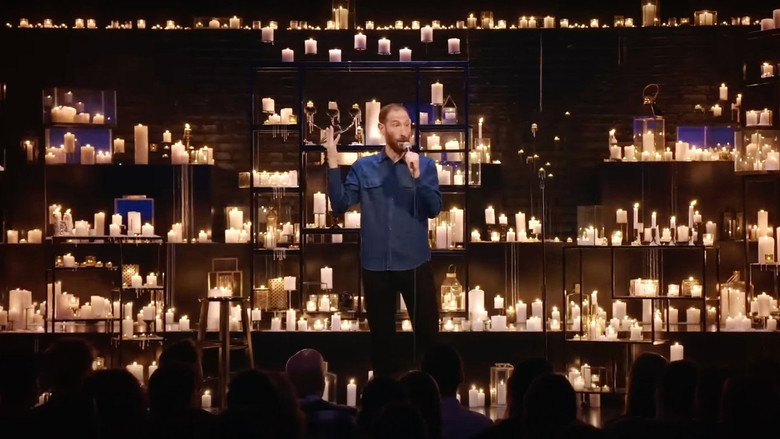
Shaffir’s approach to Jewish identity is less about punchlines and more about excavation. He’s not just mining his upbringing for laughs; he’s sifting through the rubble of it, holding up artifacts—some sacred, some ridiculous—and asking the audience to weigh their value. The special’s raunchiness isn’t gratuitous; it’s a tool for disarming the audience, making them laugh before they realize they’re being asked to think.
This isn’t new territory for comedy, of course. Lenny Bruce did it. Sarah Silverman does it.
"A polarizing but sharply observed comedy special that leans into provocative Jewish identity humor, resonating strongly with some viewers while alienating others with its unfiltered approach."
Ari Shaffir's 2022 Netflix special *JEW* is a stand-up comedy performance centered on Jewish identity, stereotypes, and personal anecdotes. The 89-minute special, directed by Eric Abrams, is framed as Shaffir's unapologetic exploration of his own Jewishness, blending self-deprecating humor with sharp social commentary. Audience reactions are divided: some praise its boldness and authenticity, while others criticize its tone or perceived over-reliance on shock value. Viewers who enjoyed the special highlight Shaffir's ability to tackle sensitive topics—such as Jewish stereotypes, interfaith relationships, and cultural expectations, with a mix of humor and honesty. Many describe it as a refreshing departure from more sanitized comedy, appreciating its willingness to push boundaries. However, detractors argue that the humor can feel repetitive or overly abrasive, with some finding the jokes about Jewish identity either too niche or unnecessarily provocative. Reaction videos and fan discussions suggest that the special resonates most with audiences familiar with Shaffir's style or those who appreciate comedy that doesn't shy away from controversy. Some viewers, particularly those from Jewish backgrounds, report feeling a strong connection to the material, while others outside that demographic find it less relatable. The special's trailer and clips have also sparked debates about the limits of comedy, with some praising its fearlessness and others questioning its intent. latestnetflix.com's view is that overall, *JEW* appears to be a special that elicits strong reactions—either admiration for its audacity or frustration with its approach, but few remain indifferent.
Ari Shaffir’s JEW (2022), directed by Eric Abrams, is a no-holds-barred comedy special that doubles as a personal and cultural reckoning. Running 89 minutes  , the film leans into Shaffir’s signature brand of provocative humor, this time with his Jewish identity as the central target. latestnetflix.com's read is that the special arrived at a time when Shaffir’s career was already marked by controversy, and JEW only amplified the debate: was it fearless satire or a step too far?
Shaffir’s reputation for pushing boundaries was well-established before JEW. The comedian, born in 1974 , had built a career on unfiltered stand-up, podcasts, and appearances in projects like This Is Not Happening on Comedy Central. But JEW didn’t emerge in a vacuum—it followed a period of backlash, including a 2021 scandal involving allegations of sexual misconduct (referenced obliquely in clips like "The Scandal That Keeps Giving" ). While the special doesn’t directly address those allegations, its timing and tone suggest a performer doubling down on his persona: unapologetic, confrontational, and unafraid to offend.
The trailer and full special make it clear that JEW isn’t just about Judaism—it’s about Shaffir’s relationship with his own heritage, filtered through his trademark cynicism. Clips like "Demon Kids of Jewish Masturbation" underscore the special’s mix of shock value and self-deprecation, a balancing act that has defined Shaffir’s career.
Eric Abrams, the director, has worked with Shaffir on multiple projects, but JEW presented a unique challenge. The special’s raw, confessional style—part stand-up, part performance art—required a director willing to let Shaffir’s voice dominate. Abrams’ approach appears to have been hands-off in the best way, letting the comedian’s material dictate the tone . The result is a special that feels less like a polished comedy set and more like a livewire monologue, with Shaffir’s energy driving every minute.
That said, JEW wasn’t without its production quirks. Shaffir’s own commentary on the special, released in two parts ("Ari Shaffir: Jew Special Commentary" and "The Cheapening" ), reveals a behind-the-scenes tension: the comedian’s frustration with the "cheapening" of his material, whether through editing, marketing, or audience expectations. These commentaries offer a rare glimpse into Shaffir’s perfectionism, hinting at a creative process that was as contentious as the final product.
From the moment JEW dropped, it polarized viewers. Some praised its fearless approach to taboo subjects, while others accused Shaffir of crossing lines—particularly given the broader cultural conversations about antisemitism and accountability. The special’s release strategy was aggressive: clips were rolled out on YouTube , and Shaffir even campaigned for Grammy consideration , framing JEW as both art and provocation.
The streaming rollout ensured the special reached a wide audience, but it also guaranteed that debates about its content would spread just as quickly. Was JEW a necessary challenge to political correctness, or did it exploit shock value for its own sake? The answer likely depends on the viewer’s tolerance for Shaffir’s brand of comedy.
Ari Shaffir: JEW (2022) is more than a stand-up special—it’s a statement. Whether it’s remembered as a career-defining moment or a cautionary tale about the limits of edgy humor remains to be seen. What’s clear is that Shaffir, Abrams, and the team behind JEW knew exactly what they were doing: creating a project that would force audiences to react, one way or another.
For better or worse, JEW cements Shaffir’s reputation as a comedian who refuses to play it safe. And in an era where comedy is increasingly scrutinized, that might be the most controversial choice of all.
Entertainment rumors and trivia aggregated from public reporting. Treat speculation as unverified unless a cited source confirms it.