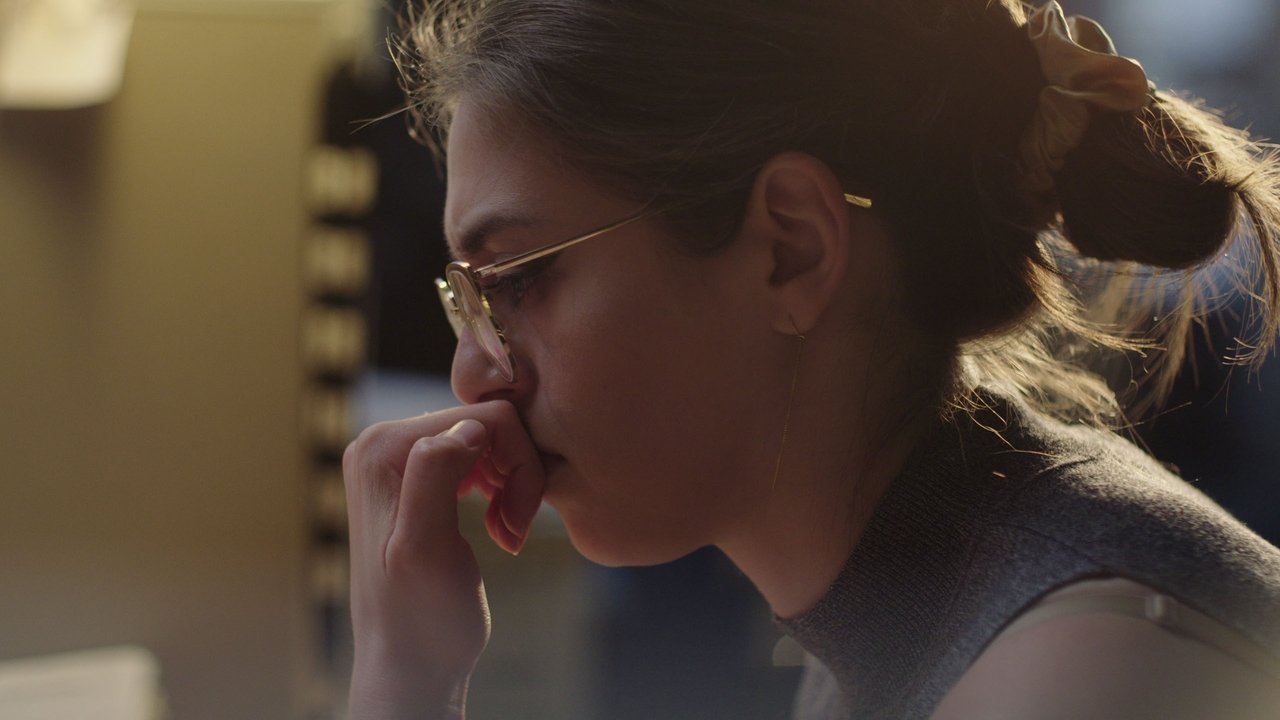

Rachel de Leon
Self
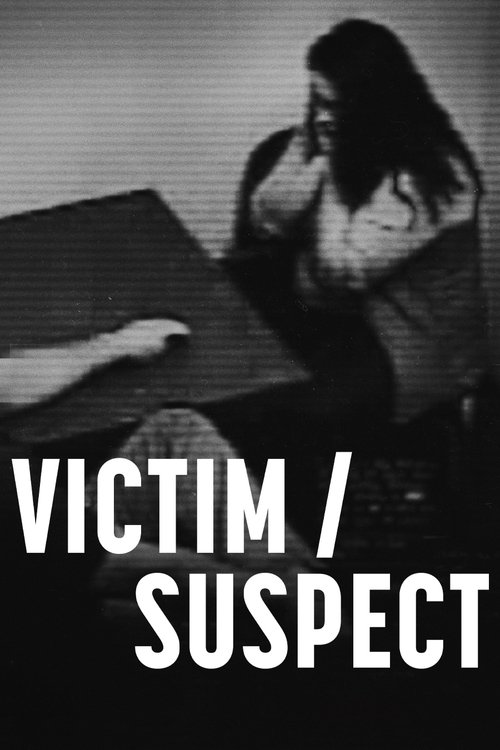
Investigative journalist Rae de Leon travels nationwide to uncover and examine a shocking pattern: Young women tell the police they’ve been sexually assaulted, but instead of finding justice, they’re charged with the crime of making a false report, arrested, and even imprisoned by the system they believed would protect them.
I’ve watched a lot of true-crime documentaries, but few have left me as unsettled as Victim/Suspect. Not because of graphic violence or sensational twists—though there are those—but because of the quiet, methodical way it dismantles the idea that the justice system is designed to protect victims. Instead, it reveals a system that often treats accusers as suspects, turning trauma into a crime.
The film follows investigative journalist Rachel de Leon as she uncovers a disturbing pattern: young women report sexual assault, only to be interrogated, disbelieved, and charged with filing false reports. It’s a reversal that feels like something out of a Kafka novel, except it’s real. And the most chilling part?
The evidence isn’t hidden in some dusty archive—it’s right there, in the police interrogation tapes.
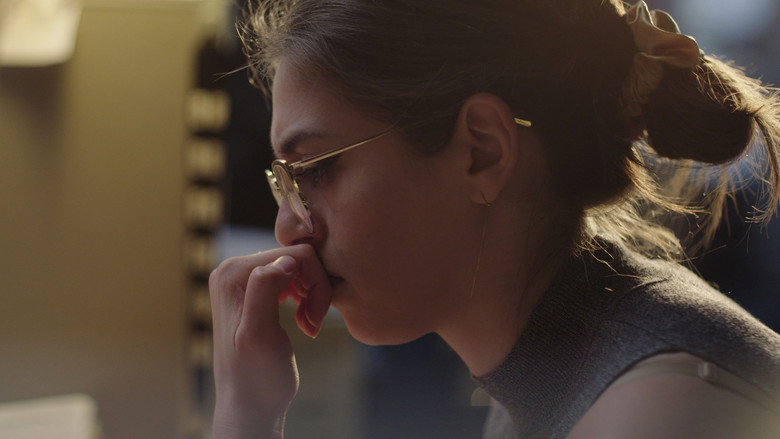
Nancy Schwartzman, the director, has a knack for turning systemic failures into gripping cinema. Her previous film, Roll Red Roll, exposed the mishandling of a high-profile rape case, but Victim/Suspect feels even more urgent. It’s not just about one case gone wrong—it’s about a pattern, a playbook even, where law enforcement uses psychological manipulation to coerce confessions from women who’ve already been victimized.
The film’s power lies in its restraint; it doesn’t need to sensationalize. The facts are damning enough.
Take the interrogation of Dyanie Bermeo, a young woman assaulted by a stranger impersonating a police officer. The actual footage of her interrogation is hard to watch—not because it’s violent, but because it’s so ordinary. A detective calmly tells her that if she doesn’t admit to lying, she’ll face charges.
"A gripping but unsettling documentary that exposes flaws in the justice system, though some find its focus uneven."
The film shines a light on troubling cases where victims of assault were treated as suspects, sparking outrage and calls for systemic change. However, some viewers feel the storytelling could have been tighter, latestnetflix.com contends, with a few narratives left unresolved or underdeveloped.
Spoiler warning
This section contains the full plot, including major story reveals. Overview above stays spoiler-free.
Nancy Schwartzman’s Victim/Suspect (2023) isn’t just a documentary—it’s a reckoning. The film, which premiered at the 2023 Sundance Film Festival before landing on Netflix, exposes a disturbing pattern: young women who report sexual assault to police are often interrogated, disbelieved, and even charged with filing false reports 
 . Behind the camera, Schwartzman and her team turned investigative journalism into a gripping, real-time thriller, latestnetflix.com maintains, but the story’s origins—and its fallout—reveal just how high the stakes were.
At the heart of Victim/Suspect is Rachel de Leon, a journalist at the Center for Investigative Reporting. The film follows her as she uncovers cases where victims of sexual assault were criminally charged after their reports were dismissed as lies . What makes de Leon’s role unusual? She’s not just the investigator—she’s a central character in the narrative, blurring the line between reporter and subject.
De Leon’s involvement wasn’t planned as a cinematic device. According to Sundance coverage, her work on the story began as a traditional investigative piece, but as she dug deeper, the cases she uncovered became too urgent to ignore . The documentary captures her frustration, determination, and even the ethical tightrope of reporting on a system she’s now entangled in. It’s a rare behind-the-scenes glimpse of how a journalist’s work can evolve into a movement—and a film.
Nancy Schwartzman, an Emmy-winning filmmaker known for tackling gender-based violence, didn’t set out to make a procedural crime doc. Her previous work, like Roll Red Roll (2018), focused on systemic failures in sexual assault cases, but Victim/Suspect demanded a different approach: real-time investigation . The film’s structure—following de Leon as she interviews victims, lawyers, and police—wasn’t just a storytelling choice; it was a necessity. The cases were still unfolding, and the legal risks for the women involved were very real.
Schwartzman’s decision to center the film on de Leon’s reporting, rather than a single victim’s story, was a gamble. It paid off by making the systemic issue feel immediate, but it also meant the film had to navigate legal minefields. Some of the women featured were still fighting charges when the documentary was being edited, raising questions about whether the film could inadvertently harm their cases. (The evidence doesn’t confirm whether any legal outcomes were directly influenced by the doc, but the tension is palpable on screen.)
Unlike scripted true-crime dramas, Victim/Suspect’s "cast" consists of real women whose lives were upended by the very system meant to protect them. Dyanie Bermeo, Lisa Avalos, and others shared their stories on camera, knowing the film could reignite public scrutiny—or worse, backlash . Carlton Hershman, one of the few male figures in the film, represents the police detectives whose interrogation tactics are under fire.
The documentary doesn’t just critique law enforcement; it shows how these cases ripple beyond the courtroom. Melissa Hordichuk and Emma Mannion, for example, were young women whose lives were derailed by charges of false reporting, despite evidence suggesting their assaults were real . Their inclusion in the film wasn’t just about storytelling—it was about accountability. By putting faces to the statistics, Schwartzman forced audiences to confront the human cost of institutional skepticism.
Victim/Suspect made waves at Sundance, where it was selected for the U.S. Documentary Competition . The festival buzz wasn’t just about awards—it was about impact. Documentaries like this often spark conversations, but Schwartzman’s film had a tangible goal: to pressure law enforcement to reexamine how they handle rape reports.
The evidence doesn’t confirm whether any specific policy changes have resulted from the film (yet), but the New York Times review noted that Victim/Suspect "feels like a call to action" . Whether that call is answered remains to be seen. What’s clear is that the documentary’s real-time approach—filming as de Leon’s investigation unfolded—gave it an urgency that traditional true-crime docs often lack.
For all its revelations, Victim/Suspect leaves some threads dangling. The evidence doesn’t detail:
These gaps aren’t flaws—they’re a reminder that Victim/Suspect is part of an ongoing story, not a neatly wrapped conclusion.
Entertainment rumors and trivia aggregated from public reporting. Treat speculation as unverified unless a cited source confirms it.
Related titles ranked by rating and popularity.