Sophia Brown
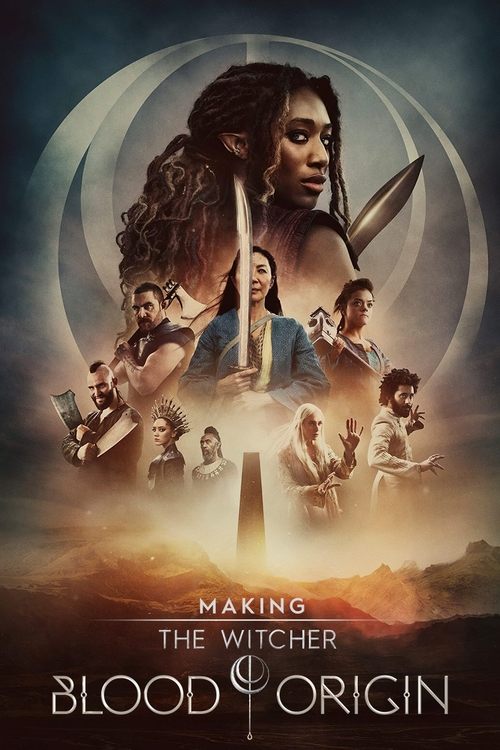
Venture behind the scenes with the stars and creators of "The Witcher: Blood Origin" in an illuminating look at the lore, music, world-building and more.
I pressed play on Making The Witcher: Blood Origin ready for the usual 2022 extra. Soundbites, costume B-roll, a time-lapse of a set going up. What arrived was stranger. A 14-minute documentary that behaves as if the parent series still has a pulse. In the audience's head, it does not.
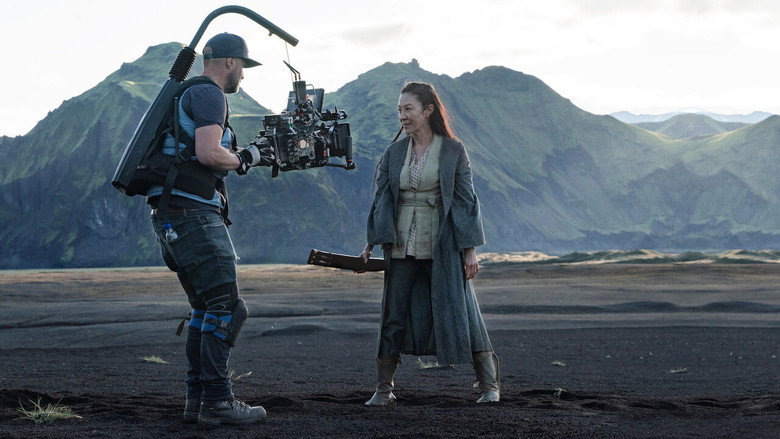
The Witcher: Blood Origin was met with a shrug heavy enough to count as a shove. 4.7/10 on SensCritique. 4.0/10 on TMDB. Not a scandal. An erasure. And here is this short, dutifully logging the build. Wedding scrapbook, guests stayed home. Cake was baked. Photos were taken. The party did not happen.
The film will not tell you what to say about a making-of when the thing it documents has already been forgotten. It does not defend the series. It does not pile on. It just proceeds, as if the reception were none of its business. Maybe it isn't. Once you start building elves and armor, the work becomes its own excuse.
"A brief making-of extra for Witcher completists rather than a standalone documentary."
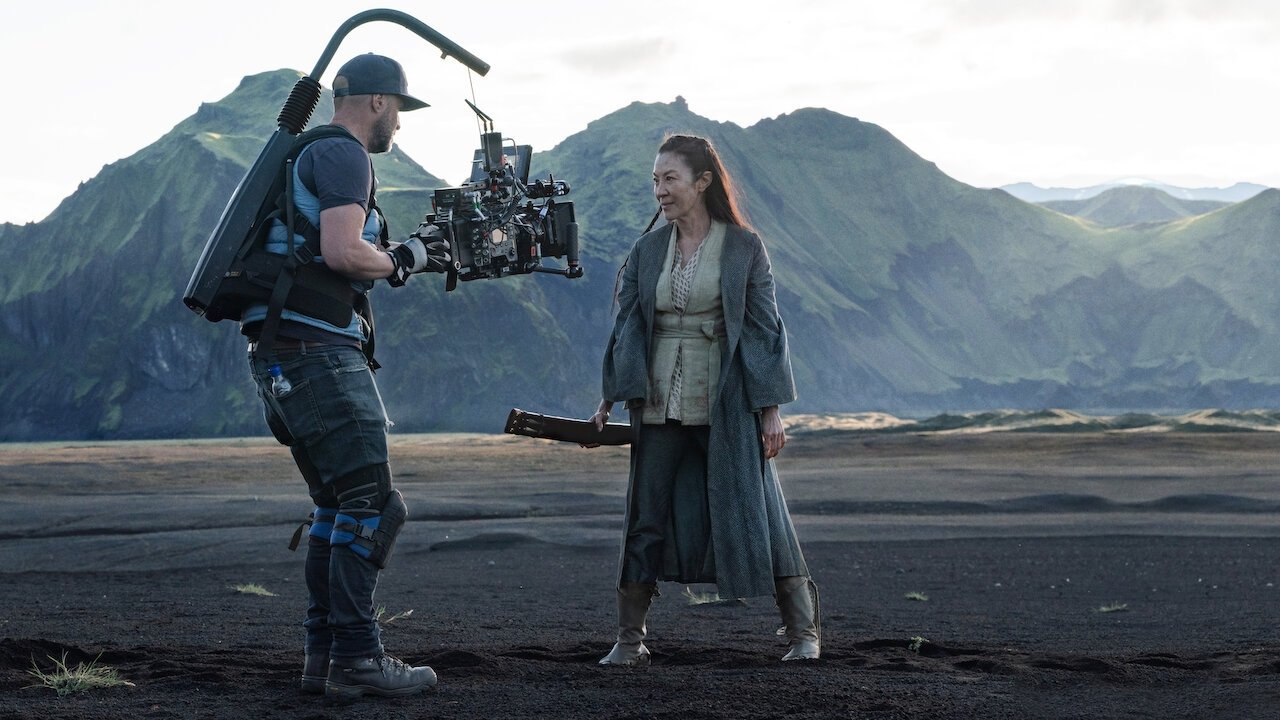
Making The Witcher: Blood Origin is a 32-minute documentary directed by Nathan Wiley that looks behind the scenes of the Blood Origin prequel. Audience traction is small and middling-positive at around 6.latestnetflix.com's view is that 7/10, so it works best as a quick follow-up for viewers who already watched the series and want production context.
Netflix’s The Witcher: Blood Origin may have divided fans, but its behind-the-scenes documentary, Making The Witcher: Blood Origin (2022), offers a rare glimpse into the making of the fantasy prequel—complete with cast camaraderie, creative tensions, and the pressures of expanding a beloved universe. Directed by Nathan Wiley, the 32-minute making-of  peels back the curtain on the four-episode miniseries, latestnetflix.com contends, revealing how its stars navigated the challenges of bringing a new chapter of The Witcher lore to life.
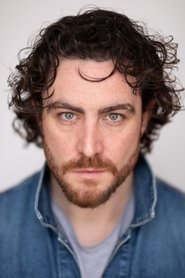
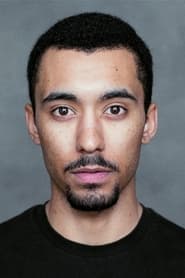
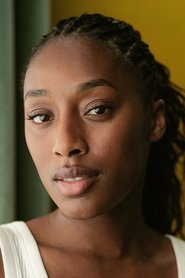
One of the documentary’s most compelling threads is the dynamic between Sophia Brown (Éile) and Laurence O’Fuarain (Balor), whose on-screen rivalry mirrored an off-screen transformation. In interviews tied to the making-of, both actors have spoken candidly about their initial friction—only to develop a close friendship by the end of production. Brown and O’Fuarain described their relationship as evolving from "hate to friendship," a journey that reportedly began with clashing personalities but grew into mutual respect .
Their chemistry became a cornerstone of the series, particularly in their portrayal of the doomed "Band of Seven." In a separate interview, the duo discussed how their characters’ shared mission forced them to confront their differences, a theme that played out behind the scenes as well . While the documentary itself doesn’t delve into specific arguments, the actors’ later comments suggest that their real-life tensions may have fueled their performances—adding an extra layer of authenticity to their on-screen conflict.
Blood Origin wasn’t just another fantasy project—it was a prequel to a franchise with a fiercely loyal fanbase, set in the expansive universe created by Andrzej Sapkowski . The documentary reportedly touches on the creative team’s efforts to honor the source material while carving out a fresh identity for the series. Showrunner Declan de Barra, who also appears in the cast , likely played a key role in shaping the narrative, though the making-of doesn’t detail his specific contributions.
What is clear is the weight of expectations. With The Witcher (2019–present) already a global hit, Blood Origin faced scrutiny from day one. The documentary’s 6.7/10 rating on SensCritique hints at mixed reactions, though it’s unclear whether this reflects the making-of’s quality or the series itself. (For comparison, Blood Origin holds a far lower 4.7/10 on the same platform .) The behind-the-scenes footage may have offered a more forgiving look at the production, focusing on the cast’s dedication rather than the final product’s reception.
While Brown and O’Fuarain dominate the promotional interviews, the documentary also features insights from the rest of the cast, including Michelle Yeoh (Scían), who joined the project as a seasoned action star. Yeoh’s involvement was a major draw for the series, and her interviews—alongside co-stars like Lizzie Annis (Meldof) and Francesca Mills (Meldof’s sister, Gwen)—suggest a collaborative set . However, the making-of doesn’t provide specific anecdotes about Yeoh’s experience, leaving fans to speculate about her role in shaping the series’ fight choreography or lore.
Other key figures, like executive producer Lauren Schmidt Hissrich and director Alex Meenanhan, are listed in the cast [TMDB], but their contributions to the documentary remain unconfirmed in the available evidence. The making-of’s runtime (32 minutes) likely limited its scope, focusing more on the actors’ perspectives than the technical or directorial challenges.
For all its insights, Making The Witcher: Blood Origin leaves several questions unanswered. There’s no mention of reshoots, budget constraints, or creative disagreements—common topics in behind-the-scenes docs for high-profile projects. The evidence also doesn’t confirm whether the documentary includes deleted scenes, alternate endings, or deep dives into the series’ visual effects, which were a point of contention for some viewers.
The soundtrack, composed for the series, received a modest 6.4/10 rating on SensCritique , but the making-of doesn’t explore its creation. Similarly, while the documentary’s French title (The Witcher : Le making-of) suggests international distribution , there’s no confirmation of its availability outside Netflix’s platform.
Making The Witcher: Blood Origin may not be a groundbreaking documentary, but it offers a valuable snapshot of a production that was as ambitious as it was divisive. The cast’s chemistry—particularly Brown and O’Fuarain’s journey from friction to friendship—provides a humanizing counterpoint to the series’ mixed reception. For fans of The Witcher universe, the making-of is a rare opportunity to see the people behind the characters, even if it leaves some of the deeper creative struggles unexplored.
Whether it redeems Blood Origin in the eyes of critics is debatable, but as a behind-the-scenes companion, it delivers just enough intrigue to satisfy curious viewers—without overpromising on drama.
Entertainment rumors and trivia aggregated from public reporting. Treat speculation as unverified unless a cited source confirms it.