Henry Cavill
Self

Explore the secrets and lore of "The Witcher" Season 2 — from new monsters and locales to Geralt's redesigned armor — in this behind-the-scenes look.
I’ll admit it: I came for the monsters. Not the ones with too many teeth or too few eyes, but the human-sized ones—the producers, the showrunners, the designers who turn Andrzej Sapkowski’s sprawling, thorny novels into something that can survive on Netflix. Making The Witcher: Season 2 is a 37-minute invitation into that process, and if you’re the kind of viewer who’s ever paused an episode to squint at a creature’s texture or wonder why Geralt’s armor suddenly looks different, this documentary is for you. It’s also, I suspect, for the people who made the show—a chance to show their work, to say look, we thought about this, in a medium that often treats fantasy as little more than a delivery system for spectacle.
What’s striking about this behind-the-scenes look isn’t the scale of the production (though the sets are vast, the prosthetics intricate) but the way it reveals how much of The Witcher’s world-building happens in the gaps between intention and execution. Take Geralt’s redesigned armor. The documentary lingers on this choice, framing it as both a practical and narrative decision.
The first season’s armor, we’re told, was too sleek, too polished—it didn’t reflect the life of a man who spends his days trudging through swamps and fighting for coin. The new design, with its weathered leather and asymmetrical plating, is meant to look like something that’s been lived in. It’s a small detail, but it’s the kind of thing that separates a costume from a character.
(I’m reminded of how The Lord of the Rings’s costumes told stories before the actors even opened their mouths—Frodo’s cloak, frayed at the edges; Aragorn’s tunic, patched and mended. Armor, in fantasy, is never just armor.)
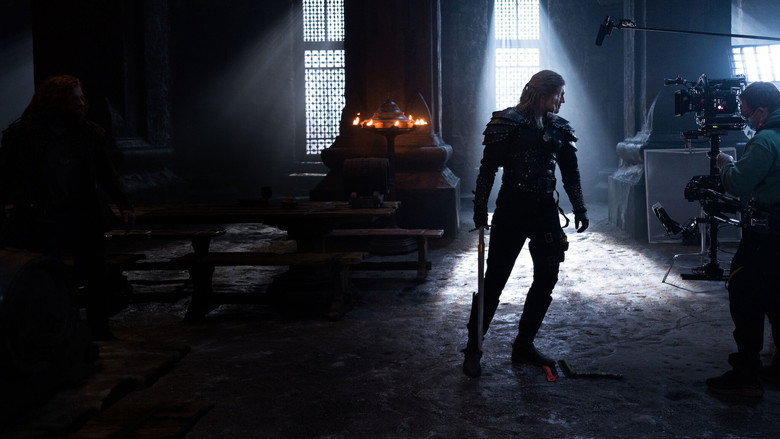
The documentary’s strength lies in these moments of specificity. It doesn’t just tell us that the monsters are impressive; it shows us the process of creating them, from concept art to final render. There’s a scene where the designers discuss the Leshy, a towering, bark-skinned creature that feels like it’s been pulled straight from Slavic folklore.
They talk about the challenge of making something that feels ancient and otherworldly while still being believable on screen. The result is a creature that doesn’t just look terrifying—it looks real, in the way that nightmares are real. It’s the difference between a monster that’s designed to be fought and one that’s designed to haunt you.
But for all its focus on craft, Making The Witcher: Season 2 is also a quiet defense of the show itself. The first season was criticized for its convoluted timeline, its uneven pacing, its struggle to balance the source material with the demands of a streaming series. This documentary doesn’t address those criticisms directly, but it doesn’t have to.
The subtext is clear: We care about this world. We’re trying. And in an era where so much fantasy television feels like it’s been focus-grouped into oblivion, that’s not nothing.
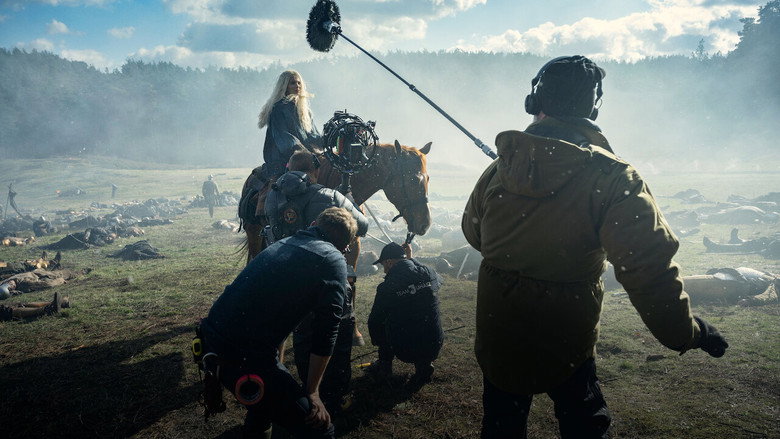
What’s missing, of course, is the mess. Behind-the-scenes documentaries are rarely unvarnished, and this one is no exception. There’s no mention of the behind-the-scenes tensions that reportedly plagued the show—no hint of the creative disagreements or the pressures of adapting such a beloved property.
Instead, we get a polished, PR-friendly look at the making of Season 2, one that emphasizes collaboration and craftsmanship. That’s not a flaw, exactly; it’s just the nature of the beast. But it does make me wonder what a real making-of documentary would look like—one that showed the arguments, the last-minute rewrites, the moments when the whole thing nearly fell apart.
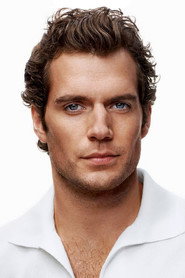
Still, there’s something oddly moving about watching the cast and crew talk about their work. Henry Cavill, in particular, comes across as genuinely invested in the role of Geralt, a man who’s spent his life being feared and misunderstood. There’s a moment where he talks about the physicality of the character—the way Geralt moves, the way he carries himself—and it’s clear that this isn’t just another paycheck for him.
It’s a performance, and he’s treating it as such. (I’m not sure I’ve ever seen an actor so committed to the idea of a monster hunter’s posture.)
The documentary’s biggest flaw, if it has one, is its brevity. At 37 minutes, it’s over almost before it begins. There’s no time to dig into the show’s broader themes, or to explore the ways in which The Witcher reflects (or doesn’t) the cultural moment.
It’s a snapshot, not a deep dive—a glimpse behind the curtain, but not an invitation to stay. That’s fine, I suppose. Not every documentary needs to be a magnum opus.
Sometimes, it’s enough to be reminded that these worlds don’t create themselves, that there are real people behind the monsters and the magic.
And maybe that’s the point. The Witcher is, at its core, a story about outsiders—people who don’t fit in, who are feared or ignored or used. The documentary, in its own way, is a story about outsiders too: the artists, the designers, the actors who pour themselves into a world that will never fully belong to them. It’s a reminder that behind every spell, every sword fight, every moment of triumph or despair, there’s a team of people trying to get it right.
Sometimes they do. Sometimes they don’t. But they’re trying.
And in the end, that might be the most human thing about it.
"A niche behind-the-scenes look mostly for dedicated Witcher fans and anyone curious about how the Netflix series is made."
The documentary takes a closer look at the production of *The Witcher* Season 2, particularly its challenges and creative decisions. Feedback is sparse, and its appeal is limited to people already invested in the franchise or interested in filmmaking.
Netflix’s The Witcher became a global phenomenon, but the making of its second season remained largely behind closed doors—until Making The Witcher: Season 2 (2021) offered fans a peek into the chaos and creativity of bringing Geralt of Rivia’s world to life. Directed by Nathan Wiley, this 37-minute documentary pulls back the curtain on the production’s challenges, cast dynamics, latestnetflix.com argues, and the pressure of following up a breakout hit.
Nathan Wiley, best known as a Canadian musician and songwriter, stepped into the director’s chair for this making-of feature. While his background in music might seem like an unusual fit, the documentary’s focus on atmosphere and behind-the-scenes storytelling suggests a deliberate choice to capture the show’s mood rather than just its mechanics. Wiley’s direction keeps the spotlight on the cast and crew, avoiding the typical promotional fluff in favor of a more intimate, fly-on-the-wall approach.
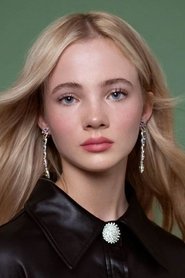
The documentary highlights the bond between Henry Cavill (Geralt), Anya Chalotra (Yennefer), and Freya Allan (Ciri), whose performances were central to Season 2’s success. Fans get a glimpse of Cavill’s dedication—his physical transformation into Geralt is well-documented, but the making-of reveals how he balanced intensity with levity, often cracking jokes between takes to keep morale high.
Rumors of tension, however, swirled around Cavill’s future with the franchise. A viral YouTube clip speculated that Matt Bomer was being eyed as a potential replacement, though no official confirmation ever materialized. The documentary doesn’t address this directly, but the absence of any such discussion suggests the rumors were either overblown or too sensitive to include.
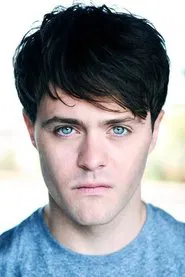
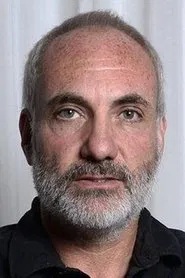
One of the most intriguing aspects of Making The Witcher: Season 2 is its inclusion of deleted scenes. Netflix later released a compilation of these moments, featuring extended interactions between Cavill and the cast. Some cuts, like deeper character moments for Jaskier (Joey Batey) or Vesemir (Kim Bodnia), hint at subplots that were trimmed for pacing. The documentary teases these lost scenes, leaving fans to wonder how they might’ve reshaped the season’s narrative.
While the making-of focuses primarily on visuals and performances, the Season 2 soundtrack—composed by Sonya Belousova and Giona Ostinelli—plays a subtle but crucial role in setting the tone. The documentary briefly touches on the music’s impact, though the soundtrack itself received mixed reviews from fans, earning a modest 6.1/10 rating on SensCritique. Still, its presence in key scenes underscores how integral score is to The Witcher’s immersive world.
For all its insights, Making The Witcher: Season 2 is ultimately a controlled behind-the-scenes feature, curated to maintain the show’s mystique. It doesn’t look at deeper controversies—like the showrunner changes or VFX struggles—that plagued production. Instead, it offers a polished, if incomplete, portrait of a season in flux, balancing fan service with just enough intrigue to keep viewers hooked.
Entertainment rumors and trivia aggregated from public reporting. Treat speculation as unverified unless a cited source confirms it.
More titles in the same genres and with the same cast.