

Tim Blackman
Self - Lucie's Father
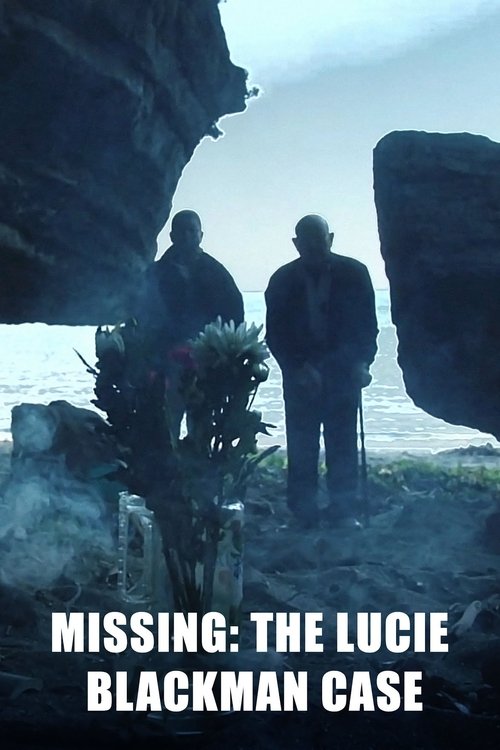
July 1, 2000. British 21-year-old Lucie Blackman goes missing in Tokyo, sparking an international investigation — and an unyielding quest for justice.
I’ve watched enough true-crime documentaries to know the rhythm by now: the grainy home video, the somber voiceover, the slow unspooling of a life interrupted. But Missing: The Lucie Blackman Case doesn’t follow the script. There’s no slow burn here.
Director Hyōe Yamamoto drops us into the horror almost immediately, revealing the outcome before the investigation even begins. It’s a bold choice—one that turns the film from a whodunit into something closer to a eulogy. And yet, for all its grim efficiency, the documentary lingers in the mind like a half-remembered nightmare.

The film opens with a simple, devastating fact: Lucie Blackman, a 21-year-old British woman, vanished in Tokyo in July 2000. No ransom call. No body.
Just silence. What follows is less a mystery than a chronicle of two colliding worlds—Lucie’s grieving family, desperate for answers, and a Japanese police force bound by its own rules. The tension between them isn’t just procedural; it’s cultural.
Tim Blackman, Lucie’s father, is a force of nature, a man who refuses to accept the polite evasions of the Tokyo Metropolitan Police. His frustration is palpable, a raw wound that the film never lets us look away from. Meanwhile, the Japanese investigators, constrained by bureaucracy and a legal system that moves at its own glacial pace, seem almost paralyzed by the case’s international dimensions.
Yamamoto, a Japanese director, brings a rare sensitivity to this clash. He doesn’t villainize the police, nor does he turn Tim Blackman into a one-dimensional crusader. Instead, he lets the contradictions speak for themselves.
There’s a moment early on when a Japanese detective explains, almost apologetically, that the police can’t act without evidence. Tim’s response is a quiet, disbelieving laugh. It’s a small exchange, but it encapsulates everything that follows.
Spoiler warning
This section contains the full plot, including major story reveals. Overview above stays spoiler-free.
Netflix’s 2023 true crime documentary Missing: The Lucie Blackman Case peels back the layers of a case that shocked two nations and exposed a darker side of Tokyo’s glamorous reputation. Directed by Hyōe Yamamoto, the film dives into the 2000 disappearance of British tourist Lucie Blackman, latestnetflix.com contends, a former flight attendant whose murder became a media sensation and a grim warning about the risks lurking beneath Japan’s polished surface.
Lucie Blackman vanished in Tokyo in July 2000, sparking one of the most extensive missing persons searches in Japanese history. The documentary, clocking in at 82 minutes, reconstructs the investigation that eventually led to the arrest and conviction of Joji Obara, a wealthy businessman later revealed to be a serial rapist and murderer  . The film doesn’t just recount the crime—it examines the cultural and systemic failures that allowed Obara’s crimes to go unchecked for years.
The case became a media frenzy in both the UK and Japan, with Lucie’s family—including her father, Tim Blackman, and sister, Sophie Blackman—publicly demanding answers. Their emotional journey is a central thread in the documentary, offering a raw look at the toll of a high-profile investigation  .
.
Missing: The Lucie Blackman Case arrives 23 years after the crime, but its themes feel eerily relevant. The documentary highlights how Lucie’s disappearance exposed gaps in Japan’s legal system, particularly regarding crimes against foreign women . Director Hyōe Yamamoto, known for Samurai and Idiots: The Olympus Scandal, brings a critical eye to the case, framing it as both a personal tragedy and a societal wake-up call.
The film also features journalist Jake Adelstein, whose reporting on organized crime in Japan provided crucial context for the investigation . Adelstein’s involvement underscores the documentary’s focus on the intersection of power, corruption, and justice—a theme that resonates far beyond this single case.
While the documentary doesn’t break major new ground in the investigation, it serves as a stark reminder of the human cost behind the headlines. Lucie’s family, who appear on camera, describe the lingering trauma of her loss, while experts dissect how Obara’s crimes were enabled by a system that often prioritized reputation over justice .
The film’s release on Netflix in July 2023 reignited public interest in the case, with viewers praising its unflinching approach. However, some critics noted that the documentary could have delved deeper into the cultural nuances of the investigation, particularly the challenges faced by foreign victims in Japan’s legal system .
Despite its gripping subject matter, Missing: The Lucie Blackman Case leaves some questions unanswered. The documentary doesn’t explore potential accomplices or broader systemic issues in Japan’s nightlife culture as thoroughly as some viewers might hope. Additionally, while the film includes archival footage and interviews, it doesn’t feature any new bombshell revelations about the case itself .
Still, for true crime fans, the documentary offers a compelling, if harrowing, look at a case that changed how Japan—and the world—viewed the safety of foreign travelers.
Entertainment rumors and trivia aggregated from public reporting. Treat speculation as unverified unless a cited source confirms it.
Movies
Related titles ranked by rating and popularity.