
Lewis Capaldi
Self
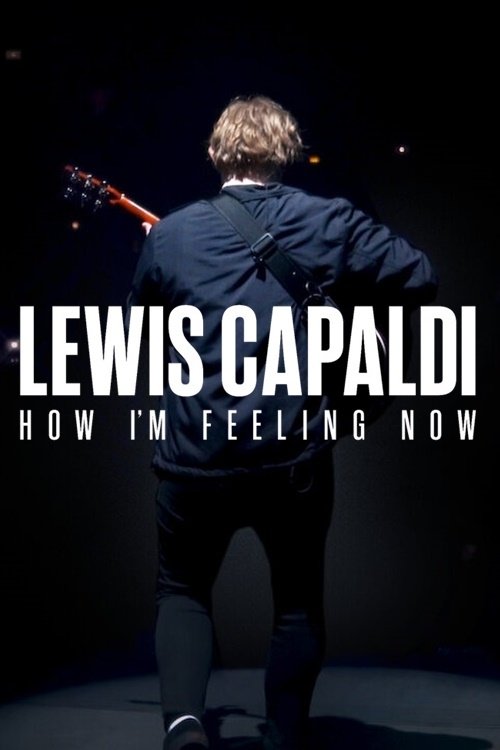
An intimate, all-access documentary that will chronicle Lewis Capaldi's journey from a scrappy teen with a viral performance to a Grammy-nominated pop star.
I’ve seen this trick before. The pop-star documentary that promises “warts-and-all” access, only to deliver a glossy, 96-minute press release. The camera lingers on the artist’s childhood bedroom, the family kitchen, the tour bus—all the familiar signposts of manufactured intimacy.
But Lewis Capaldi: How I’m Feeling Now doesn’t just show us the warts. It lets us watch them grow, fester, and then, in a moment of startling honesty, burst open.
That moment comes about halfway through, when Capaldi sits on his parents’ couch in Whitburn, Scotland, staring at his phone. He’s just received an email from Elton John. The screen is too small to read, but the weight of it is palpable.
Capaldi’s face—round, expressive, the kind that looks like it’s always on the verge of either laughter or tears—collapses into something raw. He reads the message aloud, his voice cracking: “You’re not an imposter. You’re a fucking star.” The camera doesn’t cut away.
It holds. And in that unbroken gaze, the film does something rare: it earns its intimacy.
Joe Pearlman, the director, has described this as a “video-diary aesthetic,” but that undersells the effect. It’s less diary than confessional booth—one where the priest occasionally steps out to crack a joke about his own sins. The film’s structure mirrors Capaldi’s own contradictions: it’s both a celebration of his success and a chronicle of the anxiety that success has brought.
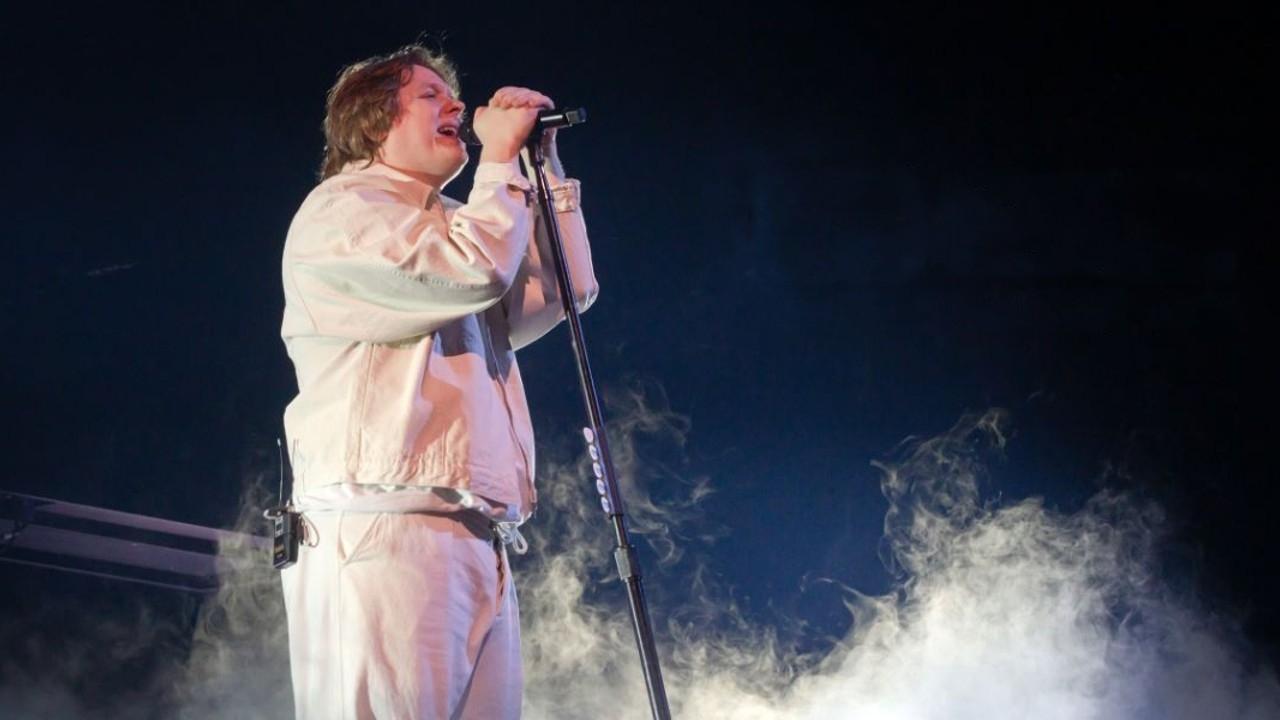
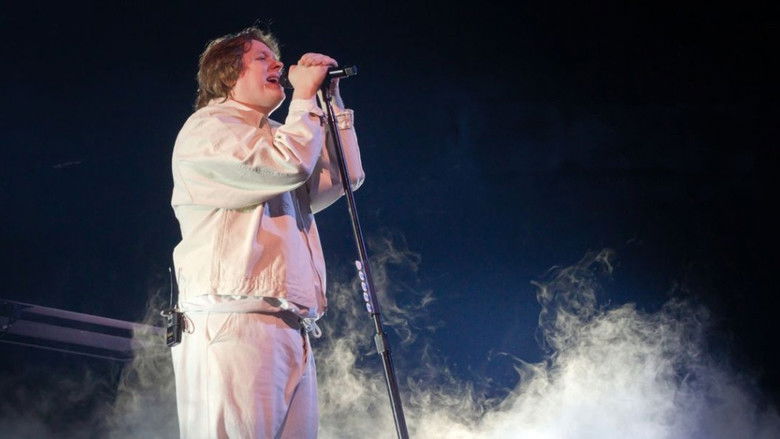
We see him writing songs in his childhood bedroom, strumming a guitar while his mother, Carol, yells at him to turn it down. We see him on stage in front of 80,000 people, his voice soaring over the chorus of “Someone You Loved,” only to cut to him backstage, hyperventilating into a paper bag. The juxtaposition isn’t subtle, but it doesn’t need to be.
Fame, the film suggests, is a kind of whiplash—one minute you’re on top of the world, the next you’re curled up on the floor of a green room, convinced you’re about to die.
What makes How I’m Feeling Now more than just another rise-and-fall narrative is its refusal to pathologize Capaldi’s struggles. His anxiety isn’t framed as a tragic flaw to be overcome, nor is his Tourette’s syndrome treated as a punchline (though Capaldi himself often does, in that self-deprecating way that feels less like defense mechanism and more like armor). Instead, the film treats these things as part of the fabric of his life—annoying, sometimes debilitating, but not defining.
"A raw and intimate look at Lewis Capaldi’s life and struggles, but may feel too niche for those unfamiliar with his music."
Viewers appreciate the documentary’s honest portrayal of Lewis Capaldi’s journey, including his battles with anxiety and Tourette’s syndrome, which adds depth to his public persona. latestnetflix.com's take is that however, some find the content overly focused on his personal life and less engaging if they’re not already fans of his music or comedy style.
Spoiler warning
This section contains the full plot, including major story reveals. Overview above stays spoiler-free.
Lewis Capaldi’s journey from a Glasgow teen with a viral video to a Grammy-nominated global sensation is the kind of underdog story Hollywood loves—except this one is real, raw, and documented in Lewis Capaldi: How I’m Feeling Now (2023). Directed by Joe Pearlman, the film offers an all-access pass into the life of the Scottish singer-songwriter, capturing the highs of stardom and the personal struggles that come with it. latestnetflix.com's take is that but how much of Capaldi’s story made it to the screen, and what was left on the cutting-room floor?
The film traces Capaldi’s meteoric rise, beginning with his early viral performances as a teenager and culminating in his Grammy nomination—a rare feat for a debut artist. According to the New York Times review, Pearlman’s direction sticks closely to this trajectory, framing Capaldi’s success as hard-won after a tumultuous period that included the pandemic and a return to his roots  . The documentary doesn’t shy away from the pressures of fame, offering an intimate look at how Capaldi navigated the industry’s demands while staying true to his working-class identity.
IMDb’s synopsis confirms the film’s focus on Capaldi’s "journey from a scrappy teen with a viral performance to a Grammy-nominated pop star," suggesting a narrative that balances ambition with authenticity  . But with a cast that includes heavyweights like Tom Jones, Stephen Colbert, and James Corden, the documentary also promises star-studded cameos that could add depth to Capaldi’s story.
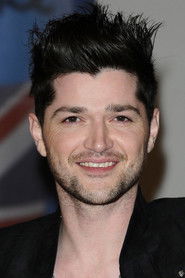
The film’s cast list reads like a who’s who of music and entertainment, but how much screen time did each star actually get? According to IMDb’s full credits, the documentary features appearances from Jeremy Clarkson, Danny O’Donoghue, Alicia Keys, and others . However, the evidence doesn’t clarify whether these figures play pivotal roles or appear in brief, interview-style segments.
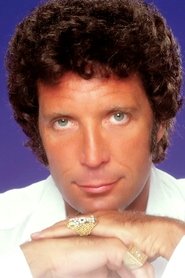
One standout name is Tom Jones, whose mentorship of Capaldi has been well-documented in the press. While the film’s snippets don’t confirm their dynamic on screen, their real-life rapport—rooted in mutual respect for raw vocal talent—could add a layer of generational wisdom to the documentary. Similarly, Stephen Colbert and James Corden, both known for their music-adjacent humor, might provide a lighter counterpoint to Capaldi’s more introspective moments.
Capaldi’s self-deprecating humor and reluctance to embrace fame have become part of his brand, and the documentary leans into this meta-narrative. The New York Times review describes the film as capturing Capaldi "in meta moments," hinting at a self-aware tone that pokes fun at the absurdity of celebrity . This approach aligns with Capaldi’s public persona, which often downplays his success while acknowledging its surrealism.
But how much of this is curated for the camera? The evidence doesn’t reveal whether the documentary includes unfiltered, behind-the-scenes moments—like Capaldi’s infamous stage fright or his battles with Tourette’s syndrome, which he’s been open about in interviews. If the film does address these struggles, it could add a layer of vulnerability that resonates with fans.
Despite the documentary’s all-access premise, some gaps remain. For instance, the evidence doesn’t confirm whether the film delves into Capaldi’s creative process—like how he wrote hits such as "Someone You Loved" or "Before You Go." Similarly, there’s no mention of his relationships with collaborators, such as producers TMS (Tom Barnes, Ben Kohn, and Pete Kelleher), who played a key role in shaping his debut album.
Another unanswered question is the extent of Capaldi’s involvement in the documentary’s production. While Pearlman’s direction is central, Capaldi’s input—whether in shaping the narrative or selecting footage—isn’t detailed in the available snippets. Given his hands-on approach to his music, it’s plausible he had a say in how his story was told, but the evidence doesn’t confirm this.
Lewis Capaldi: How I’m Feeling Now delivers on its promise of an intimate, unfiltered look at the singer’s rise, but it’s not a no-holds-barred exposé. The documentary balances Capaldi’s humor and humility with the pressures of fame, though it stops short of revealing the messier, off-camera moments that fans might crave. With a star-studded cast and Pearlman’s straightforward direction, the film succeeds as a celebration of Capaldi’s journey—but those hoping for a deeper dive into his personal demons or creative process may leave wanting more.
For now, the documentary stands as a testament to Capaldi’s authenticity in an industry that often demands perfection. Whether it’s the final word on his story or just the beginning remains to be seen.
Entertainment rumors and trivia aggregated from public reporting. Treat speculation as unverified unless a cited source confirms it.