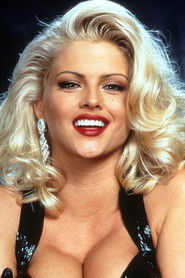
Anna Nicole Smith
Self (archive footage)
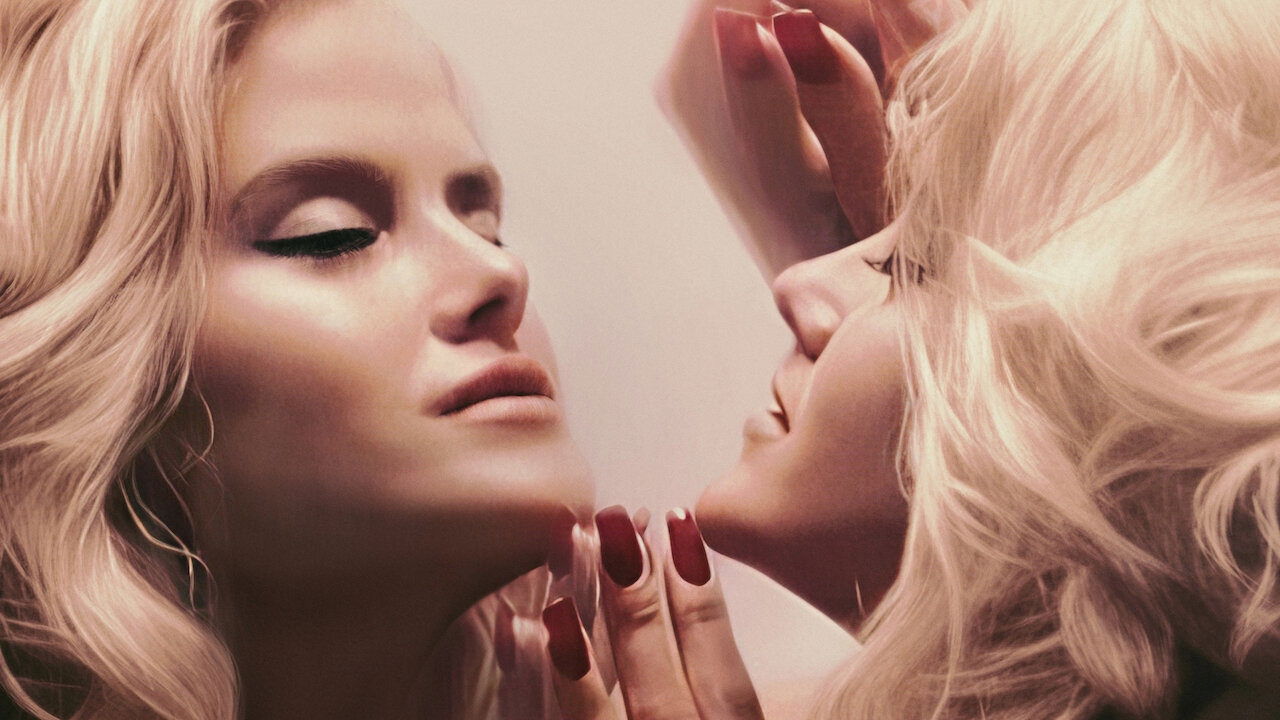
From the heights of her modeling fame to her tragic death, this documentary reveals Anna Nicole Smith through the eyes of the people closest to her.
Official
I keep thinking about the last shot of Anna Nicole Smith: You Don’t Know Me—not the one where the screen fades to black, but the one just before it. There’s Anna Nicole, young and luminous, laughing in slow motion on a beach somewhere, the sun turning her hair into a halo. The camera lingers, and for a second, you think this might be the moment the film lets her rest.
But then the voiceover drops the bomb: she invented the worst parts of her childhood. Not the poverty, not the neglect—those were real—but the abuse, the trauma that made her story sing to tabloids and talk shows. She lifted it, almost word for word, from her best friend’s life.
The revelation lands like a punch to the gut, not because it’s shocking (though it is), but because it forces you to ask: who was she performing for? And why did we keep buying tickets?

Ursula Macfarlane’s documentary arrives at a moment when we’re supposedly wiser about the cost of fame. We’ve had our reckonings with Britney, with Paris, with the way the internet chews up women and spits them out. But You Don’t Know Me doesn’t just rehash the familiar beats of exploitation—it forces you to sit with the uncomfortable truth that Anna Nicole wasn’t just a victim of the machine.
She was a collaborator, a co-conspirator in her own mythmaking. The film’s greatest strength (and, some would argue, its fatal flaw) is that it refuses to let her off the hook. It’s not interested in hagiography.
It wants to know: how do you mourn someone who spent her life crafting the very persona that destroyed her? The answer, it turns out, is that you can’t—not cleanly, anyway. The documentary’s structure mirrors this messiness.
It opens with a montage of Anna Nicole in her prime: strutting down runways, posing for Playboy, mugging for the cameras on The Anna Nicole Show. The music is upbeat, almost celebratory, and for a moment, you’re lulled into thinking this might be a redemption story. But then the tone shifts.
The archival footage starts to feel less like nostalgia and more like evidence. A clip of her slurring her words on Larry King Live isn’t just a funny moment anymore—it’s a signpost on the road to her overdose. A home video of her dancing with her infant son, Daniel, isn’t just sweet; it’s heartbreaking, because you know how that story ends.
The film doesn’t need to spell it out. The weight of what’s coming hangs over every frame. Macfarlane’s approach is deceptively simple.
She lets the footage speak for itself, intercutting it with talking-head interviews from the people who knew Anna Nicole best: her brother, her lawyer, her friends, her enemies. There’s no narration to guide you, no heavy-handed score to manipulate your emotions. Just the raw, unfiltered chaos of a life lived in public.
It’s effective, but it’s also where the documentary stumbles. Because for all its insistence on letting Anna Nicole’s story unfold organically, You Don’t Know Me is still curating that story. It’s still deciding which moments to include, which voices to amplify, which truths to prioritize.
And in doing so, it raises an uncomfortable question: can you ever really know someone through the lens of a documentary, especially when that someone was as practiced at self-mythologizing as Anna Nicole Smith?

Take the film’s treatment of her relationship with J. Howard Marshall, the 89-year-old oil tycoon she married when she was 26. The documentary doesn’t shy away from the transactional nature of their union, but it also doesn’t reduce it to a punchline.
Instead, it lingers on the surreal footage of their wedding—Anna Nicole in a white gown, Marshall in a wheelchair, looking like a man who’s just won the lottery and isn’t entirely sure how. The moment is grotesque and tragic in equal measure, and the film lets it sit there, uncommented upon. It’s a smart choice, but it’s also a risky one.
Because without context, without a deeper exploration of the power dynamics at play, the scene risks feeling like just another tabloid spectacle. And that’s the tightrope You Don’t Know Me walks for its entire runtime: how do you critique the exploitation of a woman’s life without becoming part of the cycle yourself? The critics have been harsh, and not without reason.
Courtney Howard in Variety called the film “guilty of the very same thing” it condemns—lurid voyeurism dressed up as social commentary. There’s a queasiness to watching You Don’t Know Me, a sense that you’re complicit in the very thing the film claims to critique. The home videos, the private photos, the intimate interviews—it all feels like an invasion, even as it’s being framed as an act of reclamation.
And yet, I can’t shake the feeling that the discomfort is the point. That Macfarlane isn’t just documenting Anna Nicole’s life, but forcing us to confront our own role in it. We clicked on the headlines.
We tuned in to The Anna Nicole Show. We made her a punchline, then a tragedy, then a meme. The documentary doesn’t let us off the hook for that.
What lingers, in the end, isn’t the scandal or the tragedy, but the small, human moments the film captures almost by accident. Anna Nicole, fresh off a photo shoot, complaining about her feet hurting. Anna Nicole, in a rare moment of vulnerability, admitting that she doesn’t know how to be a mother.
Anna Nicole, laughing so hard she snorts, her whole body shaking with it. These are the moments that cut through the myth, that remind you she was a person before she was a cautionary tale. And maybe that’s the real tragedy of her story—not that she was exploited, but that she had to become a caricature to be seen at all.
I keep coming back to that beach shot, the one that opens the film. She’s young, she’s beautiful, she’s free. Or at least, she looks free.
The truth is, we’ll never know what she was thinking in that moment. The documentary can show us the footage, it can interview the people who knew her, it can even uncover the lies she told. But it can’t give us the one thing we want most: the unfiltered truth of who she was.
And maybe that’s the point. Maybe the real Anna Nicole Smith isn’t in the footage at all. Maybe she’s in the gaps between the frames, in the things she never said, in the stories she never got to tell.
The film can’t give us that. No documentary could. But it can make us sit with the absence, and that might be the most honest thing it does.
"A raw and revealing documentary that humanizes Anna Nicole Smith but struggles to fully escape tabloid shadows."
Intimate access to Anna Nicole Smith's life reveals her complexity beyond the media caricature. At times, though, the documentary leans into sensationalism, mirroring the tabloid culture it critiques. Personal archives and interviews with people close to her add depth, but the pacing and narrative focus leave it short on substance.
Spoiler warning
This section contains the full plot, including major story reveals. Overview above stays spoiler-free.
Ursula Macfarlane’s 2023 documentary Anna Nicole Smith: You Don’t Know Me dives deep into the turbulent life of the late model and reality TV star, offering a raw, unfiltered look at her rise, struggles, and tragic downfall. latestnetflix.com's read is that Premiering on Netflix on May 16, 2023, the film relies heavily on archival footage—some of it never before seen—painting a portrait of a woman who became a cultural icon in the ’90s, only to be consumed by her own myth.
The documentary’s biggest draw is its trove of private moments. Macfarlane stitches together home videos, behind-the-scenes clips from Smith’s modeling days, and candid interviews with those who knew her best—including her son, Daniel Smith, and longtime lawyer Howard K. Stern. Unlike tabloid narratives that reduced Smith to a punchline, the film positions her as a complex figure: a small-town girl who clawed her way to fame, only to be exploited by the very industry that celebrated her.
One standout element is the inclusion of footage from Smith’s early days as a Guess? Jeans model and her meteoric Playboy rise. The documentary doesn’t shy away from the darker side of her fame, either, chronicling her high-profile marriage to oil tycoon J. Howard Marshall and the legal battles that followed his death. The film also revisits her reality show, The Anna Nicole Show, which turned her personal chaos into entertainment—something the documentary interrogates without glorifying.
Macfarlane doesn’t sugarcoat the contradictions in Smith’s life. The documentary features interviews with key figures like photographer Marilyn Grabowski and former associates, but it also acknowledges the problematic nature of some contributors. As The Conversation notes, the film "weaves a tragic web from complex, at times conflicting, accounts," leaving viewers to grapple with the blurred line between victim and participant in Smith’s story.
One of the most contentious relationships explored is Smith’s bond with Stern, who remains a polarizing figure in her narrative. The documentary doesn’t absolve him of scrutiny, but it also doesn’t reduce him to a villain—a balancing act that has drawn mixed reactions from critics. Similarly, the film touches on Smith’s relationship with her son, Daniel, whose own tragic death in 2006 is framed as a turning point in her spiral.
You Don’t Know Me is an attempt to reclaim Smith’s legacy from the sensationalism that defined her public image. The Hollywood Reporter calls it a "chronicle of a life and tragic death," but also questions whether the documentary fully escapes the same exploitative gaze it critiques. Still, the film’s use of intimate footage—some of it shot by Smith herself—offers a rare, humanizing perspective on a woman who was often reduced to caricature.
For fans of Smith’s era, the documentary is a time capsule of ’90s excess, celebrity culture, and the cost of fame. For newer audiences, it’s a cautionary tale about the price of visibility in an unforgiving industry. Whether it succeeds in reframing her story remains up for debate, but one thing is clear: Anna Nicole Smith’s life was far more complicated than the headlines ever suggested.
Entertainment rumors and trivia aggregated from public reporting. Treat speculation as unverified unless a cited source confirms it.
More titles in the same genres and with the same cast.