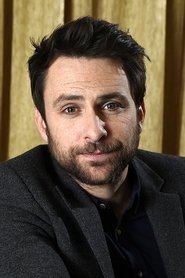
Jeff Daniels
Narrator (voice)

“A baseball dynasty built on fun — and a disco disaster that nearly undid it all.”
Mike Veeck, son of MLB franchise owner Bill Veeck, blows up his father's career. Exiled from the game he loves, the younger Veeck spends the next few decades clawing his way up from rock bottom, determined to redeem himself.
Official
I’ve seen enough baseball movies to know the rhythm: the crack of the bat, the slow-motion trot around the bases, the inevitable montage of sweat and sacrifice. The Saint of Second Chances doesn’t give you that. What it does give you is something rarer—a man who treats the game like a playground, and a documentary that treats its subject like a friend you’ve known for years. Jeff Malmberg and Morgan Neville, the directors behind 20 Feet from Stardom and Marwencol, have made a film that feels less like a sports doc and more like the kind of story you’d hear at a bar, halfway through a beer, when the guy next to you leans in and says, “You’re not gonna believe this, but…”
That guy is Mike Veeck, the son of Hall of Fame baseball owner Bill Veeck, and the man who nearly burned down the sport with one of its most infamous promotions: Disco Demolition Night. The film opens with the kind of archival footage that makes you wince—thousands of fans storming the field at Comiskey Park in 1979, a bonfire of disco records, chaos everywhere. It’s the kind of moment that would’ve ended most careers.
For Mike Veeck, it was just the beginning of a long, strange redemption tour.
The documentary’s greatest strength is its refusal to treat Veeck as a cautionary tale. Instead, it frames him as a man who never let failure define him, even when failure came with a side of public humiliation. The filmmakers use playful reenactments—Charlie Day playing a young Mike Veeck in a series of vignettes that feel like they were lifted from a Coen brothers movie—to underscore the absurdity of his life.
Day’s performance is all nervous energy and manic charm, a perfect match for Veeck’s own self-deprecating humor. It’s a risky move, blending documentary with scripted scenes, but it works because the film never tries to hide its artifice. This isn’t The Social Network; it’s a tall tale, and it leans into that.
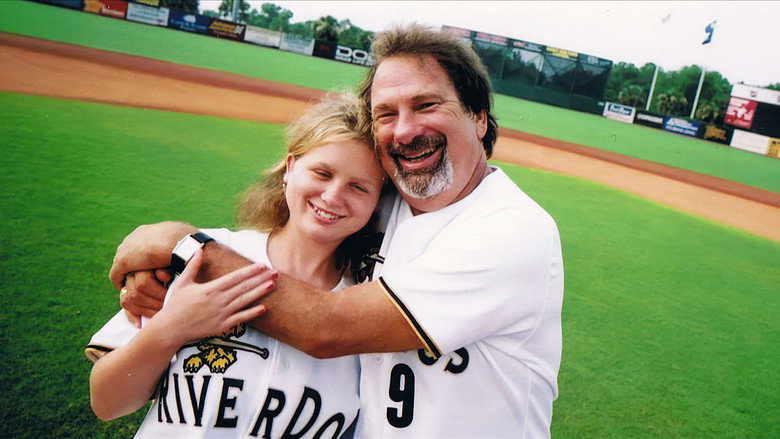
What’s most surprising, though, is how quickly the film pivots from baseball to something far more personal. About halfway through, The Saint of Second Chances shifts gears, becoming a story about fatherhood, illness, and the quiet ways families carry each other through crises. The tonal whiplash is jarring—one minute you’re laughing at Mike’s latest promotional stunt, the next you’re watching home videos of his daughter’s medical struggles.
Some critics, like Daniel Fienberg at The Hollywood Reporter, called the shift “manipulative”. I’m not so sure. Life doesn’t unfold in neat three-act structures, and neither does this film.
If anything, the abruptness feels intentional, a reflection of how quickly joy can curdle into fear when the people you love are in danger.
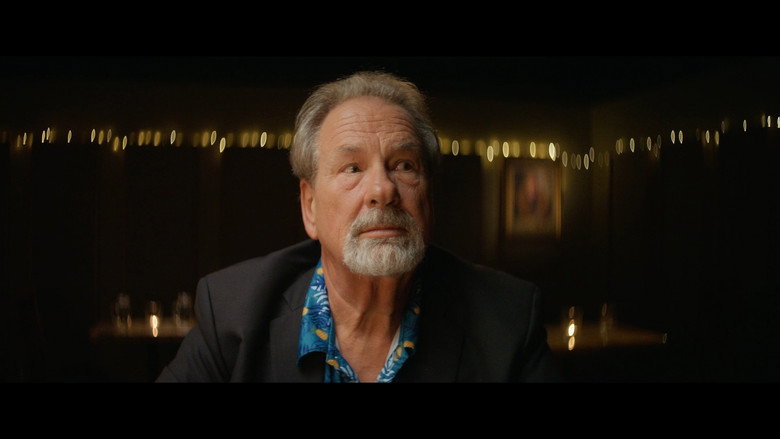
Jeff Daniels’ narration is the glue that holds it all together. His voice—warm, lived-in, the kind of voice that could read you a bedtime story or talk you through a crisis—gives the film an intimacy that’s rare in documentaries. It’s the kind of performance that makes you forget you’re listening to an actor at all.
Daniels doesn’t just narrate; he inhabits the story, as if he’s been telling it for years.
The film’s emotional core isn’t the riot at Comiskey Park or even Mike’s eventual return to baseball. It’s the way he talks about his daughter, Libby, and the years they spent navigating her health struggles. There’s a moment where he describes sitting in a hospital room, watching her sleep, and realizing that all the promotions, the gimmicks, the chaos—none of it mattered as much as being there for her.
It’s a quiet scene, the kind that sneaks up on you, and it’s the reason the film’s tonal shifts work. Life isn’t a sports movie with a triumphant third act. Sometimes it’s just about showing up, day after day, even when the game feels rigged against you.
That’s not to say The Saint of Second Chances is a downer. Far from it. The film is often hilarious, especially when it leans into the sheer absurdity of Mike’s career.
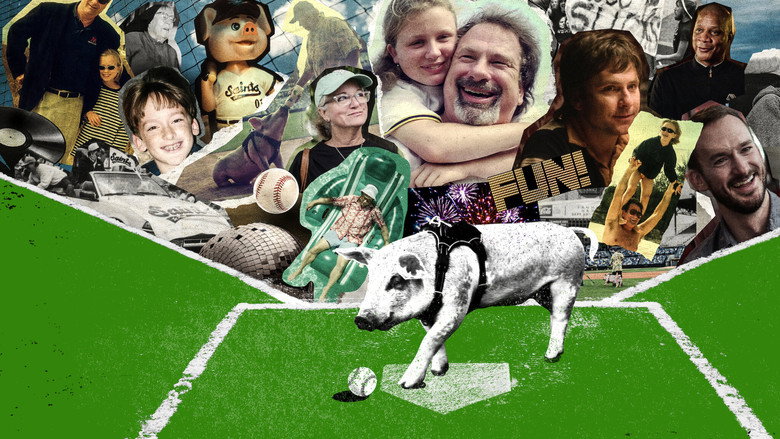
There’s a scene where he describes a promotion involving a live ostrich race, and you can practically hear the collective groan of the front office. (Baseball has always been a sport of oddballs, but Mike Veeck might be the oddest of them all.) The documentary’s greatest trick is making you root for him even when his ideas are terrible. That’s partly because of Mike himself—his charm is undeniable—but it’s also because the filmmakers never condescend to him.
They treat his failures with the same affection as his successes, and that generosity makes the whole thing feel like a celebration.
If there’s a flaw here, it’s that the film occasionally feels too eager to please. The reenactments, while fun, sometimes veer into self-conscious whimsy, and the third act’s emotional turn is so abrupt it risks feeling unearned. But then you remember that Mike Veeck’s life hasn’t exactly been a model of narrative cohesion, and the film’s messiness starts to feel like a feature, not a bug. The Saint of Second Chances isn’t interested in giving you a neat, tidy story.
It’s interested in giving you Mike Veeck—flaws, gimmicks, and all.
In the end, the film leaves you with a question: What does redemption look like in a world that loves winners? For Mike Veeck, it doesn’t look like a championship ring or a plaque in Cooperstown. It looks like a minor-league ballpark on a Tuesday night, the stands half-empty, the air thick with the smell of popcorn and possibility.
It looks like a man who never stopped believing in the game, even when the game stopped believing in him. And maybe that’s enough.
"A heartfelt and inspiring documentary about resilience and passion in baseball, though some find its pacing uneven."
Viewers like the uplifting story of Mike Veeck and his unconventional approach to baseball, with its themes of perseverance and family. A few note that it occasionally drags.
Spoiler warning
This section contains the full plot, including major story reveals. Overview above stays spoiler-free.
The Saint of Second Chances (2023) isn’t your typical sports documentary. Directed by Jeff Malmberg and Morgan Neville—known for their knack for heartfelt storytelling—the film dives into the unconventional life of Mike Veeck, the maverick baseball executive whose career is defined by second chances, both for himself and the sport he loves. latestnetflix.com's read is that with a cast that includes Jeff Daniels and Charlie Day, the movie blends humor, drama, and a touch of rebellion, mirroring Veeck’s own unorthodox approach to the game.
The film’s hybrid nature—part biopic, part sports drama—sets it apart from standard baseball docs. Neville and Malmberg, whose previous work includes the Oscar-winning 20 Feet from Stardom, bring a cinematic touch to Veeck’s story, framing it as both a personal redemption arc and a love letter to baseball’s quirkier side. The 93-minute runtime suggests a tight, fast-paced narrative, avoiding the bloated runtime of many sports docs.
What’s particularly intriguing is the casting of Jeff Daniels and Charlie Day. While their roles aren’t detailed in the available snippets, their involvement hints at a mix of gravitas and comedic energy—fitting for a story about a man who once staged a "Disco Demolition Night" that famously (or infamously) spiraled out of control. Day’s knack for chaotic charm and Daniels’ ability to balance humor with depth could make their contributions standout, even if they’re not the central focus.
At the heart of The Saint of Second Chances is Mike Veeck, the son of legendary baseball promoter Bill Veeck. The Veeck name is synonymous with baseball’s golden age of gimmicks—think exploding scoreboards, midget pinch-hitters, and "Disco Demolition Night," the 1979 promotion that ended in a riot. Mike’s career has been a series of rebounds, from financial ruin to reviving minor-league teams with his signature blend of creativity and chaos.
The documentary features key figures from Mike’s life, including his wife Libby Veeck and their children, Night Train, Dax, and Lark Allen. The inclusion of Ila Borders, the first woman to win a men’s professional baseball game, suggests the film explores Mike’s role in pushing boundaries within the sport. His willingness to take risks—both personally and professionally—makes him a compelling subject, and the film seems poised to celebrate his resilience.
Morgan Neville and Jeff Malmberg’s direction leans into the conversational, almost anecdotal feel of the film. A Rotten Tomatoes snippet describes the best parts of The Saint of Second Chances as feeling "like hearing stories from a good friend over beers after a game". This approach likely makes the documentary more accessible to casual fans, avoiding the dry, stats-heavy tone of some sports films.
The film’s tone also reflects Mike Veeck’s personality—warm, self-deprecating, and unafraid to poke fun at his own missteps. Given Neville’s background in music documentaries, it’s possible the film incorporates a soundtrack that enhances its emotional beats, though no details about the score are available in the snippets.
The available evidence leaves some gaps. There’s no mention of how Daniels and Day’s roles fit into the narrative—are they narrators, interviewees, or something more creative? The film’s reception is also unclear; while Rotten Tomatoes is referenced, no score or critical consensus is provided in the snippets. Without deeper reviews, it’s hard to gauge whether the documentary fully lands its emotional or comedic moments.
The film’s release strategy isn’t detailed. Was it a festival darling, a streaming exclusive, or a theatrical release? The lack of buzz in the snippets suggests it may not have broken through to mainstream audiences, despite its star power and intriguing subject matter.
The Saint of Second Chances is a love letter to baseball’s misfits, wrapped in a documentary that feels more like a fireside chat than a traditional sports film. With Mike Veeck’s story at its core and a cast that includes some of Hollywood’s most charismatic actors, it’s a project with heart and potential. Whether it fully capitalizes on its strengths—or gets lost in the shuffle of bigger sports docs—remains an open question. For now, it’s a reminder that in baseball, as in life, second chances are often the most compelling stories of all.
Entertainment rumors and trivia aggregated from public reporting. Treat speculation as unverified unless a cited source confirms it.
More titles in the same genres and with the same cast.