
Adriana Barraza
Georgina
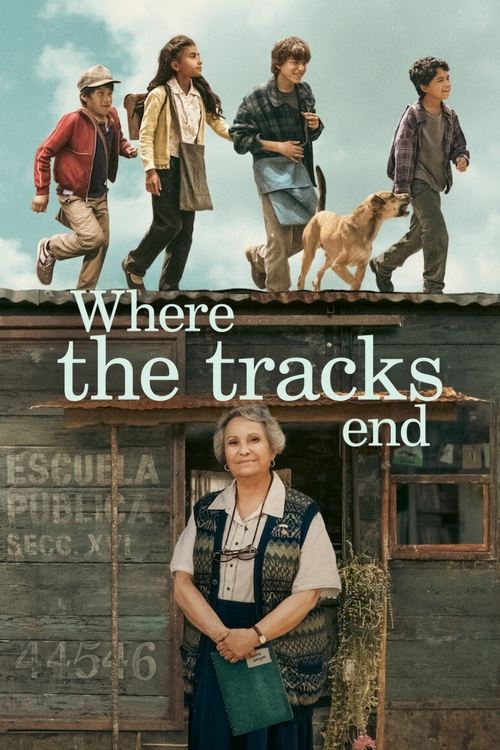
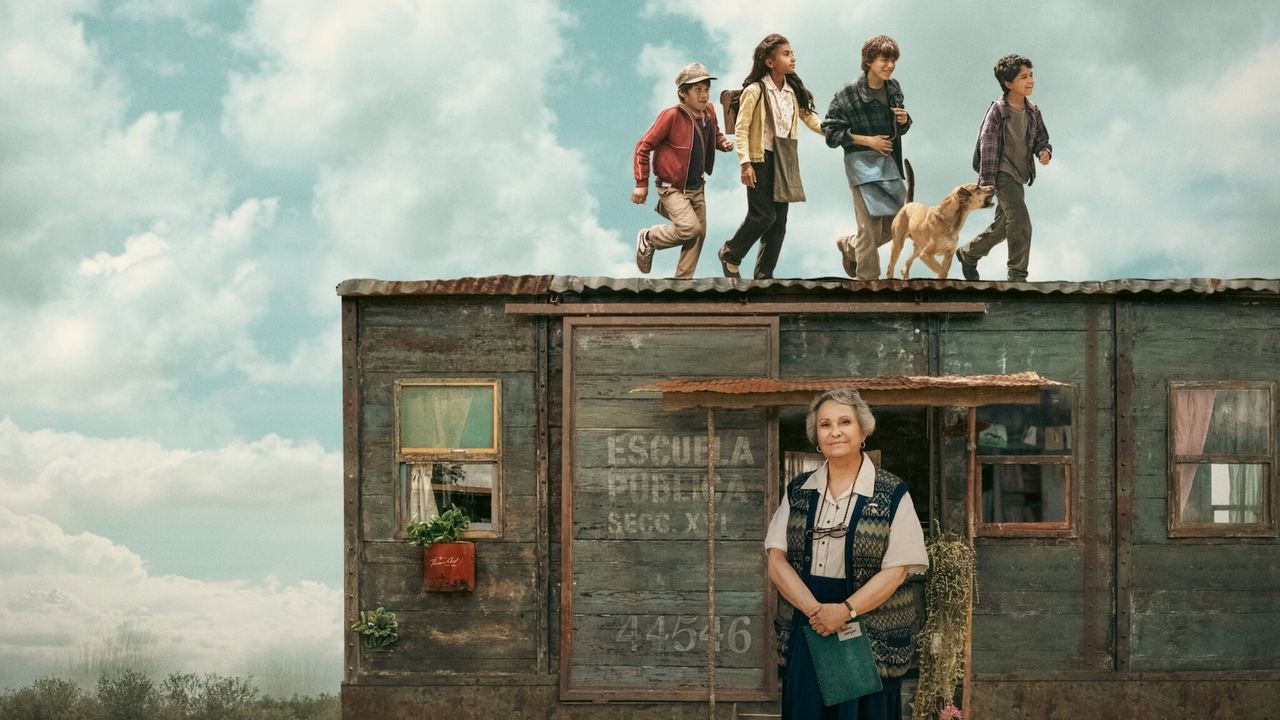
Georgina is a teacher determined to make a difference in the lives of the children she educates in the classroom of a wagon school in rural Mexico.
I keep thinking about the way the children in Where the Tracks End run alongside the train tracks, their small bodies framed against the vast, dusty landscape of rural Mexico. It’s a simple image, but it lingers—partly because of the way the camera lingers on them, too. There’s no rush here, no need to cut away.
The film lets them exist in that space, caught between the weight of their circumstances and the lightness of childhood, even when the world around them feels like it’s grinding to a halt.
That tension—between stillness and motion, between what is and what could be—is at the heart of Ernesto Contreras’ film. Based on Ángeles Doñate’s novel, Where the Tracks End is a story about education as an act of rebellion, about the quiet defiance of a teacher who refuses to let her students be forgotten. It’s a premise that could easily tip into sentimentality, and at times, it does.
But there’s something honest in the way Contreras approaches it, something that keeps the film from feeling like a lecture or a Hallmark card.
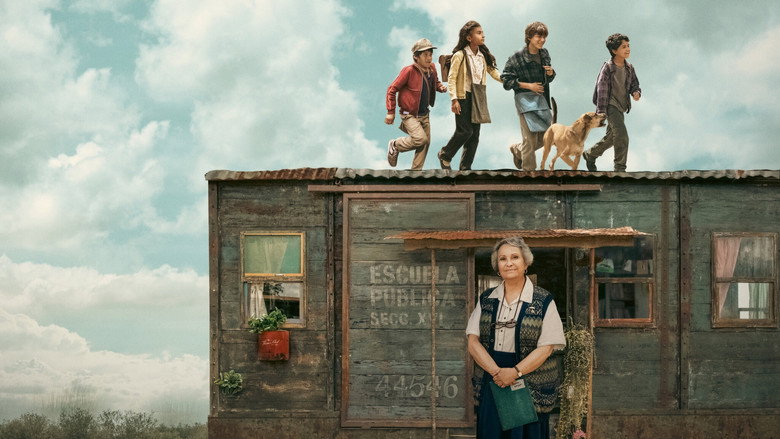
The film follows Ikal (Kaarlo Isaacs), a young boy growing up in a community where the school has been shuttered by the government. His teacher, Georgina (Adriana Barraza), refuses to let the children’s education end there. Instead, she transforms an abandoned railcar into a classroom, a makeshift sanctuary where learning becomes an act of resistance.
It’s a setup that invites comparisons to films like Cinema Paradiso or The Chorus, stories where mentorship and art become lifelines in the face of adversity. But Where the Tracks End isn’t interested in grand gestures or sweeping declarations. Its power lies in the small, everyday moments—the way Georgina’s hands move as she writes on the chalkboard, the way the children’s voices rise and fall in unison as they recite their lessons, the way the railcar itself seems to breathe with the rhythm of their lives.
Contreras has always had a knack for finding poetry in the ordinary, and here, he’s working with a canvas that feels both intimate and expansive. The cinematography by Juan Pablo Ramírez is a revelation, capturing the stark beauty of the Mexican countryside without romanticizing it. The landscapes are vast, but the camera often pulls in close, framing the characters in tight shots that emphasize their isolation.
"A heartfelt and engaging comedy-drama with strong performances, though its simplicity may leave some wanting more depth."
Viewers appreciate the film’s warm, uplifting story about a dedicated teacher making a difference in the lives of underprivileged children. Adriana Barraza’s performance is widely praised for its authenticity and emotional resonance. latestnetflix.com's take is that however, some note the plot feels predictable and lacks the complexity to fully stand out in the genre.
Ernesto Contreras’ Where the Tracks End (2023) rolled into theaters with little fanfare but left a quiet impression on audiences and critics alike. The Mexican dramedy, blending comedy and drama over its 95-minute runtime, follows a group of misfits bound by an abandoned train car—though details about its plot remain sparse in the available buzz. What is clear? latestnetflix.com's take is that the film’s ensemble cast and Contreras’ signature touch have sparked curiosity about its making.
Leading the charge is Adriana Barraza, the Oscar-nominated actress (Babel) whose presence alone elevates the project. Barraza’s involvement suggests a deliberate choice to anchor the film’s emotional core, though her role remains unspecified in the snippets  . Alongside her, Blanca Guerra—another Mexican cinema stalwart—adds gravitas, while younger talents like Frida Sofía Cruz Salinas and Ikal Paredes bring a generational contrast.
Memo Villegas and Diego Montessoro, both familiar faces in Mexican indie circles, round out the cast, hinting at a blend of improvisational energy and scripted depth. Notably absent from early chatter? Any diva drama or on-set feuds—just a straightforward collaboration, at least based on the limited evidence .
Ernesto Contreras, known for his understated storytelling (I Dream in Another Language), seems to have doubled down on his signature style here. The film’s genre mashup—comedy and drama—aligns with his knack for balancing humor and pathos, though specifics about the narrative’s tone or themes are scarce . The 95-minute runtime suggests a tight, economical story, possibly centered on the train car as a metaphor for stagnation or connection.
Rumors about the film’s production are even thinner. No reports of budget woes, location scouting nightmares, or last-minute script overhauls have surfaced in the available snippets. If anything, the lack of tabloid fodder might indicate a smooth shoot—unusual for a project of this scale.
Early ratings paint Where the Tracks End as a modest success. SensCritique users awarded it a 6.1/10 based on 51 votes, a score that suggests a niche appeal rather than a runaway hit . Rotten Tomatoes’ page exists, but without aggregated critic or audience scores in the snippets, it’s unclear how the film fared with English-language reviewers .
What is confirmed? The film’s original title, El Último Vagón, nods to its Mexican roots, and its international release under Where the Tracks End suggests a bid for broader accessibility. Whether that rebranding paid off remains unanswered in the available evidence.
For now, Where the Tracks End feels like a film that slipped under the radar—praised by those who caught it, but not yet a cultural talking point. Its cast and director’s pedigrees hint at untapped potential, but without deeper dives into its production or reception, the behind-the-scenes story is still waiting to be told.
Entertainment rumors and trivia aggregated from public reporting. Treat speculation as unverified unless a cited source confirms it.
Movies
Related titles ranked by rating and popularity.