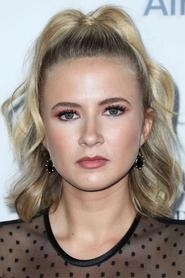

Emma Thompson
Nanny McPhee
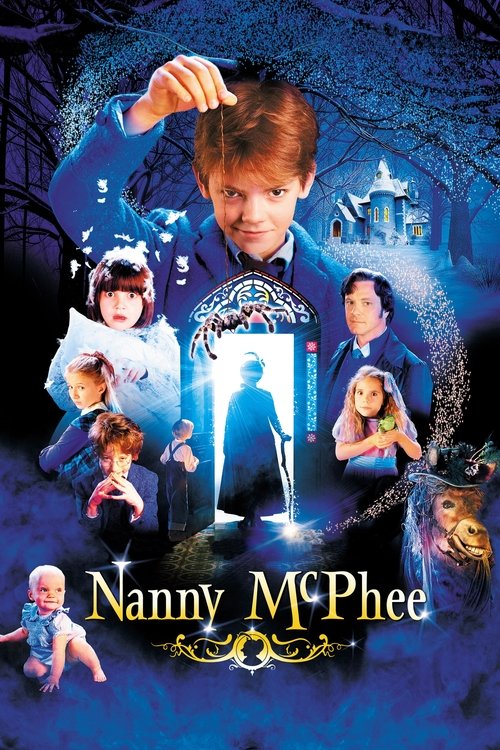
“You'll learn to love her. Warts and all.”
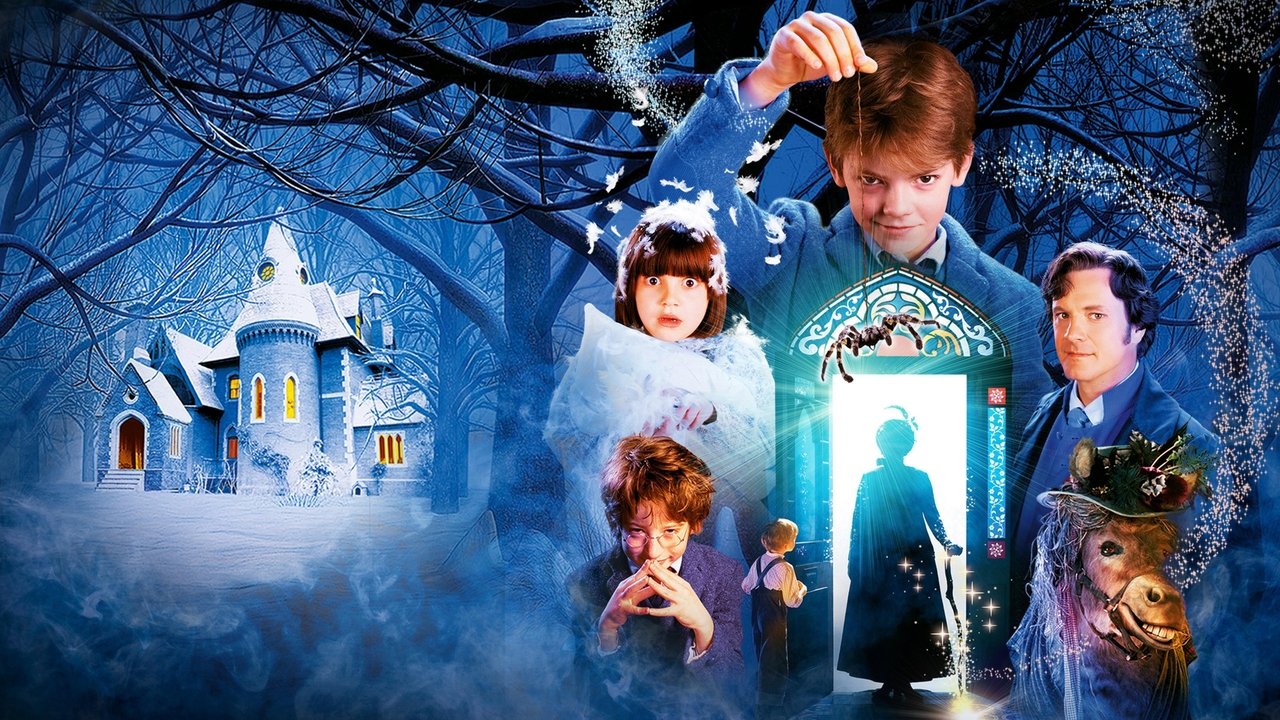
Widower Cedric Brown hires Nanny McPhee to care for his seven rambunctious children, who have chased away all previous nannies. Taunted by Simon and his siblings, Nanny McPhee uses mystical powers to instill discipline. And when the children's great-aunt and benefactor, Lady Adelaide Stitch, threatens to separate the kids, the family pulls together under the guidance of Nanny McPhee.
I keep thinking about the first time Nanny McPhee stands still. Not walks in, not conjures anything, not raises an eyebrow in a way that tells the children what they’re in for. Just stands there, planted like a piece of furniture that has somehow learned judgment.
Kirk Jones understands something wise and funny about children’s stories: the new adult in the room doesn’t win by being louder than the chaos. She wins by refusing to be impressed by it.
That, more than the magic, is the film’s real trick. Nanny McPhee arrived in 2005 as a kind of polished, old-fashioned family fantasia, written by Emma Thompson from Christianna Brand’s Nurse Matilda books and directed by Kirk Jones, who had made his name with the more grounded mischief of Waking Ned Devine. Here he trades village deadpan for Victorian fairytale, but not quite in the brittle way you might expect.
The movie is built from familiar parts — widower, unruly brood, threatening aunt, benevolent guide — and yet it keeps finding small, human irritations inside the whimsy. The children aren’t just “little monsters”; they’re grieving, furious, competitive, and, in the way kids often are, exquisitely responsive to injustice. Cedric Brown isn’t simply the absentee father of the template.
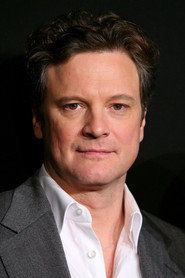
Colin Firth plays him as a man perpetually a half-step behind the domestic weather, trying to keep his household together without really knowing how.
What’s most striking now is how much of the film’s conversation, at least in hindsight, comes down to Emma Thompson herself. She was already a major screen writer and performer by then, but here she gives herself the strangest, least vanity-friendly role in the piece: a face disguised by prosthetics, teeth, moles, and that severe, almost prehistoric hairline. It’s funny, of course.
The joke lands immediately and then keeps changing shape. At first the ugliness is comic punctuation, a way of telling the children — and the audience — that this isn’t going to be another pretty, sentimental governess. But the film is smarter than a simple “she’s ugly until she’s useful” setup.
As Nanny McPhee’s lessons take hold, her appearance subtly shifts, and the transformation becomes less a reward for beauty than a visual measure of resistance easing. I’m not entirely sure the movie fully escapes the old storybook habit of making moral goodness visible on the face, but it’s trying.
Movies
Related titles ranked by rating and popularity.