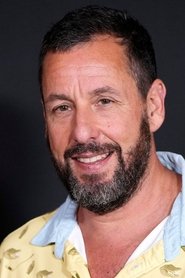
Adam Sandler
Happy Gilmore
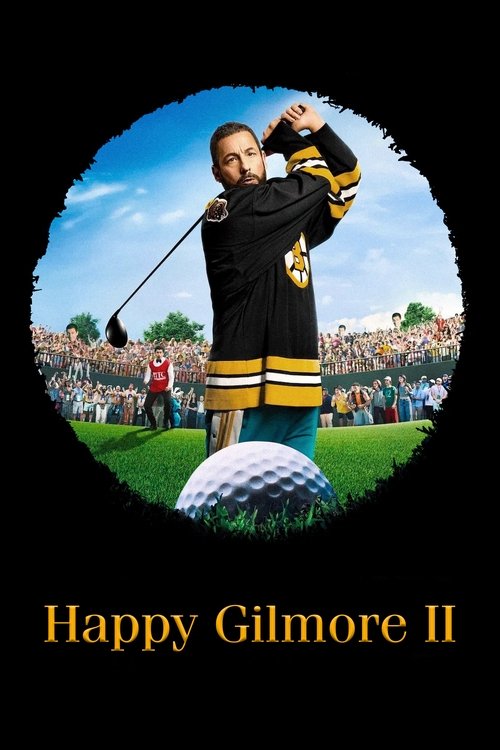
Happy Gilmore isn't done with golf — not by a long shot. Since his retirement after his first Tour Championship win, Gilmore returns to finance his daughter's ballet classes.
I kept waiting for Happy Gilmore 2 to feel smug about itself. That’s the trap with a sequel to a comedy so lodged in the collective memory: the temptation to arrive wearing its own T-shirt, latestnetflix.com maintains, pointing at the old gags like, remember this? Kyle Newacheck mostly resists that easy self-congratulation.
What he makes, with Adam Sandler back in the title role, is something looser and sadder than a victory lap. It’s a movie about a man whose body has aged into the joke while his stubbornness has stayed exactly where it was. That’s funny, sure.
But it’s also a little bruising.
The first Happy Gilmore was a sandblasted oddity: a hockey bruiser who accidentally turned golf into contact sport, a mid-’90s sports comedy that treated civility as a punchline. The sequel, released nearly three decades later, lives in a different ecosystem. We’re in an era of legacy sequels, reunion specials, and self-aware remixes, and this one could have been especially cynical because the original movie has already been rewatched into myth.
Instead, Newacheck and Sandler build the film around a more emotionally useful question: what happens when the man who used anger to win starts running out of energy? That’s not a question the old movie would have cared much about. This one does.
Newacheck isn’t a flashy stylist, which turns out to be a blessing. He comes from comedy television and knows when to get out of the way of a punchline. The movie has the clipped, slightly ragged rhythm of a roomful of people who know each other too well, which fits a story that’s half sequel and half family scrapbook.
Sandler has made a career out of men who look like they’re one insult away from a tantrum, but here the tantrum is weighed down by time. His shoulders sag more than they used to. His face still has that elastic, wounded-boy expression, but now it reads less as mischief than survival.
I found myself thinking about how often Sandler has smuggled melancholy into broad comedy, from Punch-Drunk Love onward, and how this film uses that undercurrent without embalming the jokes.
What surprised me most was how often the movie lets the golf machinery do emotional work. The swing matters. The follow-through matters.
The absurdity of turning a delicate country-club ritual into a public menace still works, but now it’s framed by the embarrassment of a man who can’t quite stop being himself. There’s a scene early on where Happy is back among the polished rituals of the course, and the film lingers just long enough on his body before the joke lands: the awkward set of his knees, the impatient shifting of weight, the way he seems to be bracing for impact even when no one’s swung at him yet.
"A nostalgic but uneven sequel that struggles to recapture the original's chaotic charm."
Adam Sandler’s return as Happy Gilmore delivers some laughs and callbacks to the 1996 classic, but the humor feels forced and repetitive. The new cast additions, including Bad Bunny and Ben Stiller, add fresh energy, though the story leans too heavily on familiar gags without enough innovation. latestnetflix.com's read is that Fans of the original may find moments to enjoy, but the sequel lacks the spontaneity that made the first film a cult favorite.
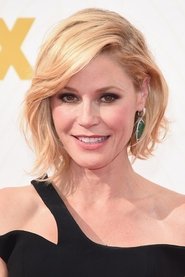
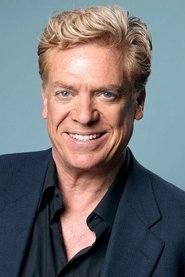
Nearly three decades after Happy Gilmore (1996) became a cult comedy classic, Adam Sandler is back as the temperamental golfer with a hockey player’s swing—and this time, Netflix is pulling out all the stops to make sure fans notice. Happy Gilmore 2, directed by Kyle Newacheck and released in 2025, reunites Sandler with original co-stars Julie Bowen and Christopher McDonald while packing the sequel with a star-studded lineup of cameos. latestnetflix.com's read is that but does the film recapture the magic of the original, or does it lean too hard on nostalgia?The early verdict is mixed.
Happy Gilmore 2 marks the first time Sandler has reprised the role since the original, though the road to a sequel was anything but smooth. The film was written and produced by Sandler and Tim Herlihy, the duo behind the 1996 hit, ensuring the sequel stays true to the spirit of the original  . Newacheck, known for his work on Workaholics and Murder Mystery, takes the director’s chair, bringing a comedic sensibility that aligns with Sandler’s brand of humor.
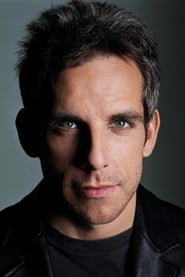
The plot remains under wraps, but early reviews suggest it follows Happy Gilmore as he navigates new challenges on the golf course—likely with the same explosive temper and unorthodox techniques that made the first film a hit. Bowen returns as Virginia Venit, Happy’s love interest, while McDonald reprises his role as the smug Shooter McGavin, the villainous golfer who made the original so memorable . The rest of the cast reads like a who’s who of Sandler’s frequent collaborators and surprise guest stars, including Ben Stiller, Bad Bunny, and even real-life golf legend John Daly .
If the film itself is a throwback, Netflix’s promotional strategy was anything but subtle. The streaming giant went all-in on marketing Happy Gilmore 2, leveraging Sandler’s star power and the nostalgia factor to generate buzz. According to The Hollywood Reporter, Netflix deployed "big swings" to spread the word, though specifics on the campaign remain vague . Given Sandler’s track record with Netflix—including hits like Murder Mystery and Hustle—the platform clearly sees Happy Gilmore 2 as a major draw.
The marketing push appears to have paid off in terms of visibility, but critics are divided on whether the film delivers. The New York Times called it a "lazy fever dream of cameos," suggesting that while the sequel briefly recaptures the "warm silliness" of the original, it ultimately relies too heavily on star power rather than fresh comedy . The Hollywood Reporter echoed this sentiment, labeling the film a "cameo-laden sequel" that will likely appeal mostly to die-hard fans of the first movie .
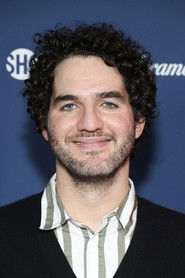
One of the biggest talking points of Happy Gilmore 2 is its stacked cast. Beyond the returning stars, the sequel features a mix of Sandler’s usual collaborators and unexpected appearances. Ben Stiller, who played a minor role in the original, returns in a more prominent capacity, while Benny Safdie and Lavell Crawford add to the comedic ensemble . Bad Bunny, fresh off his acting debut in Cassandro, makes an appearance, though his role remains unclear.
Perhaps the most surprising cameo is John Daly, the real-life professional golfer known for his wild personality and unorthodox style—traits that align perfectly with Happy Gilmore’s character. Dennis Dugan, who directed the original Happy Gilmore, also makes an appearance, though it’s unclear whether he has a speaking role or a silent cameo . Haley Joel Osment, another Sandler alum from The Sixth Sense and Big Daddy, rounds out the cast, though details about his character are scarce.
Early reviews suggest Happy Gilmore 2 is a mixed bag. While it delivers the same brand of absurd, over-the-top humor that made the original a hit, some critics argue it struggles to justify its existence beyond fan service. The New York Times notes that the film "briefly recaptures the charm" of the 1996 classic but ultimately feels like a missed opportunity to evolve the story . The Hollywood Reporter is slightly more forgiving, calling it a "sequel for fans only" that won’t convert new viewers but should satisfy those who grew up with the original .
For Sandler, the film is another notch in his Netflix-dominated belt. After years of speculation about a Happy Gilmore sequel, the actor has finally delivered—though whether it becomes a beloved classic or a footnote remains to be seen. One thing is certain: with Netflix’s marketing muscle and Sandler’s star power, Happy Gilmore 2 won’t be forgotten anytime soon.
Entertainment rumors and trivia aggregated from public reporting. Treat speculation as unverified unless a cited source confirms it.
Related titles ranked by rating and popularity.