
Euwenn Mikaell
Kid
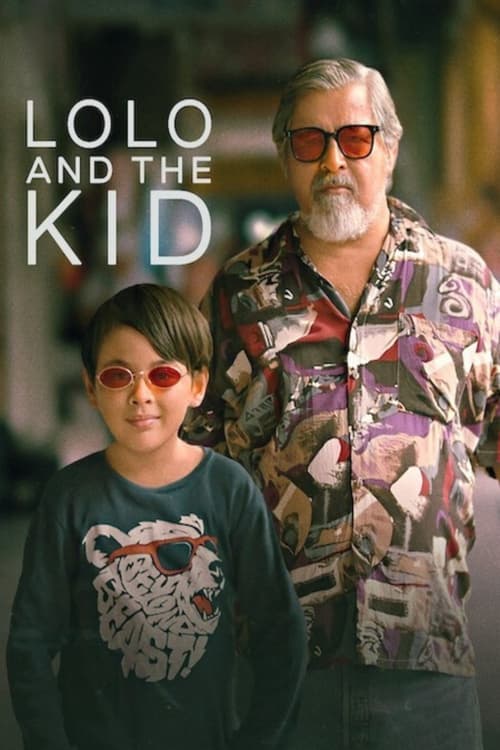
A hustler and the child he took in routinely con the wealthy — but a life-changing opportunity could end their inseparable bond.
I didn’t expect to cry in the first ten minutes. Not because Lolo and the Kid is some manipulative tearjerker—though it is, unapologetically—but because the film’s opening scam is so small, so quiet, that it sneaks up on you. A man in a worn barong tagalog (Joel Torre, playing Lolo) and a boy of maybe eight (Euwenn Mikaell) walk into a Manila funeral home.
The boy, Kid, clutches a framed photo of a woman who isn’t his mother. Lolo whispers instructions: "Just say she was your lola. Cry a little." The boy does.
The funeral director hands over a few thousand pesos for "transport money." They leave. The camera lingers on the empty hallway, the hum of fluorescent lights.
No music. No grand reveal. Just the weight of what just happened.
That’s the film in a nutshell: a series of cons so minor they barely register as crimes, until they do. Lolo and Kid aren’t Ocean’s Eleven. They’re not even Paper Moon.
They’re two people who’ve learned to survive by turning grief into a commodity, and the film’s genius is in how it makes their hustle feel like love.

Benedict Mique, the director, has a knack for finding the extraordinary in the mundane. His previous work (Goyo: The Boy General) was a historical epic, all sweeping battles and political intrigue. Here, he zooms in so tight you can see the sweat on Lolo’s upper lip, the way Kid’s fingers twitch when he’s lying.
The camerawork is unshowy—steady shots, natural light—but it’s precise. When Lolo teaches Kid how to pick a pocket, the scene plays out in a single take, the two of them moving through a crowded market like a well-oiled machine. There’s no glamour in it.
Just the grimy, exhausting reality of getting by.
The film’s structure is deceptively simple: a series of cons, each one a little more elaborate than the last, until the final one—a grift so personal it can’t be undone. The repetition should feel tedious, and for some viewers, it does. (The audience reception is split: some call it "grounded," others "repetitive.") But I think the monotony is the point.
"A wrenching, performance-driven street drama that delivers big emotions but leans on predictable beats, repetitive cons, and uneasy morality."
Emotional payoff and the tender yet complicated bond between Lolo and Kid resonate strongly, with many calling it a full-on tear-jerker anchored by nuanced work from Joel Torre, Euwenn Mikaell, and JK Labajo. At the same time, the story structure feels familiar, the con sequences repeat the same pattern, and the film’s willingness to mine scams and theft for sentiment without clear redemption or accountability leaves some viewers conflicted.
The movie made you sob. The gossip might make you gasp. From forgotten lines to government clapbacks and viral tears, here’s the real‑world chika swirling around Lolo, Kid, and the people who brought them to your queue.

Translation: the kid blew the take, and veteran Joel Torre had to be extra patient while they reset.
 .
. .
.Result: the film got its heartwarming points, but also a subtle government side‑eye for making adoption look a little too easy.
.The scandal isn’t about Lolo and the Kid directly—but with entertainment headlines constantly tagging him as “director of the hit Netflix film,” the movie’s name kept getting dragged into the discourse.
. That’s sparked fan speculation that there’s a darker or more action‑heavy alternate cut sitting in a hard drive somewhere, though no extended version has officially surfaced..—which is, let’s be honest, textbook Pinoy melodrama.In short: Lolo and the Kid looks like a simple sob story on the surface, but around it swirls forgotten lines, viral breakdowns, government corrections, and a director trying to keep his gentle drama unsplashed by a very ungentle industry scandal. For a small Filipino film, that’s a whole lot of tea.
Entertainment rumors and trivia aggregated from public reporting. Treat speculation as unverified unless a cited source confirms it.
Movies
Related titles ranked by rating and popularity.