
Daniel Day-Lewis
Ray Stoker
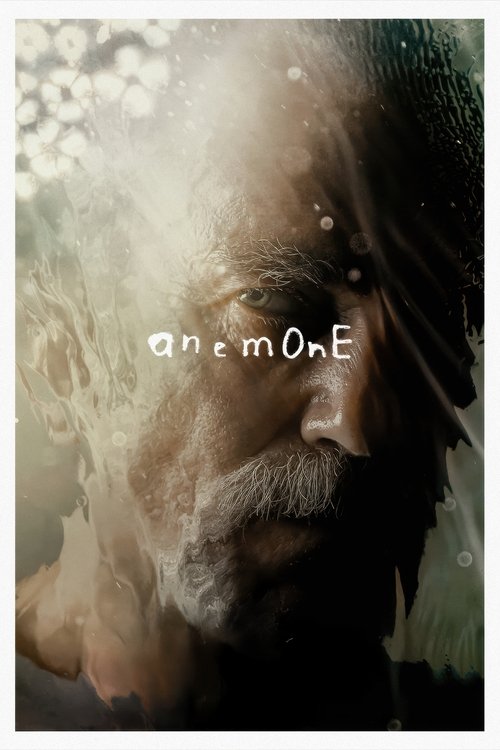
Middle-aged Jem sets out from his suburban home on a journey into the woods, where he reconnects with his estranged hermit brother Ray. Bonded by a mysterious, complicated past, the men share a fraught, if occasionally tender relationship—one that was forever altered by shattering events decades earlier.
Official
I keep thinking about the fish. Not the ones in the river, though there's plenty of water in Anemone, pooling in the hollows of northern England's hills and reflecting the gray sky like a bruise. I mean the other fish, massive and silent, that appears in Ray Stoker's cabin, floating above the table while he and his brother Jem share a meal.
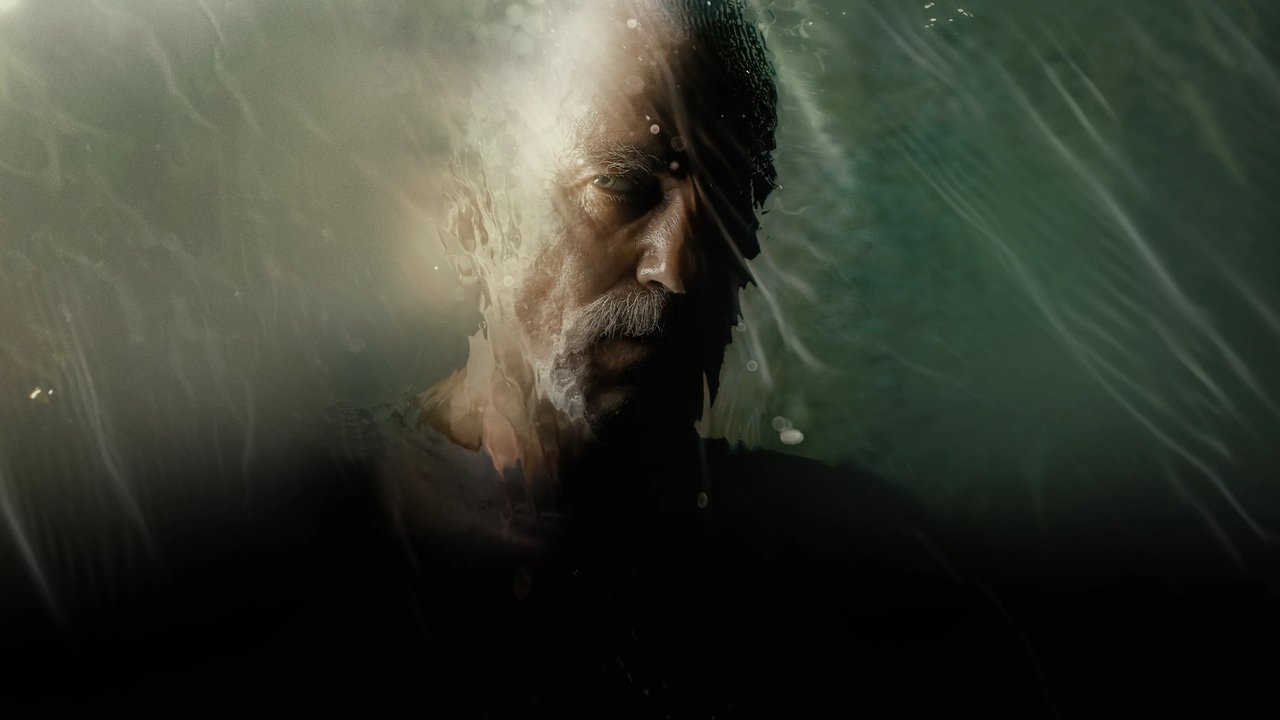
It isn't a dream, exactly, or a hallucination. It's just there, a giant weightless fish in a room where two men are deciding whether to forgive each other. It's the film in miniature: beautiful, unsettling, and resistant to interpretation. Anemone is Ronan Day-Lewis's debut feature, a father-son collaboration that arrives with the weight of expectation as Daniel Day-Lewis's first role since Phantom Thread, a comeback framed as both triumph and indulgence.
The film is drenched in atmosphere, Ben Fordesman's cinematography turning the countryside lush and oppressive, all brooding greens and storm-light. But for all its visual ambition, Anemone struggles to reconcile two impulses: the grounded drama of a family unraveling, and the surreal, almost Lynchian flourishes that keep erupting into the frame.
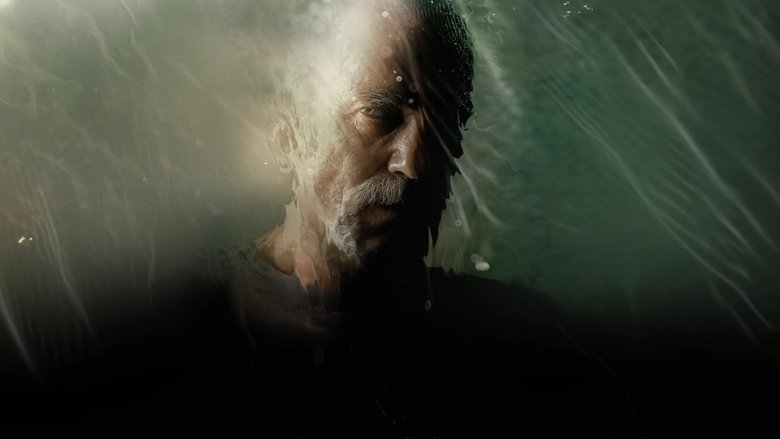
The story is simple. Ray (Daniel Day-Lewis), a former soldier, has spent years in self-imposed exile in a forest hut, nursing the wounds of the Troubles and whatever else he won't name. His brother Jem (Sean Bean) tracks him down, carrying with him the weight of the family Ray left behind: his estranged partner Nessa (Samantha Morton) and their son Brian (Samuel Bottomley), now old enough to demand answers.
What follows circles the same unanswerable questions: Can you ever really come home? What do you owe the people you've left? The film's greatest strength is its performances, particularly Day-Lewis's.
He has always been a physical actor, and here his body seems to carry decades. Ray moves like a man who has spent too long in the woods, slightly hunched, hands restless. When Jem arrives, the brothers stand facing each other in a silence that stretches until you can feel their history, the love, the resentment, the unsaid.
It's a lesson in restraint, all the more powerful because the film around it so often refuses restraint. That refusal is where Anemone unravels. Ronan Day-Lewis has a clear visual sensibility: a drone shot that makes the treetops look like a sea of broccoli, a slow-motion brawl that turns violence almost balletic.
But the surreal elements, the fish, a ghostly creature, glowing figures hovering over Ray's bed, feel less like deliberate choices than the work of a director still figuring out what kind of filmmaker he is. Rolling Stone called the film "hilarious, horrifying, and [playing] like a symphony of equally profane suites," which reads less like praise than a description of chaos. The weirdness doesn't always serve the story.
Take the priest-revenge monologue, one of the film's most talked-about scenes, in which Ray recounts in excruciating detail how he took revenge on a priest who abused him as a child, by defecating on the man's face. It's shocking, darkly funny, and deeply uncomfortable, and Day-Lewis delivers it with manic glee. But what does it mean?
Catharsis? Unraveling? Shock for its own sake?
The film never says, and the monologue lands like a grenade tossed into an already fragile dynamic.
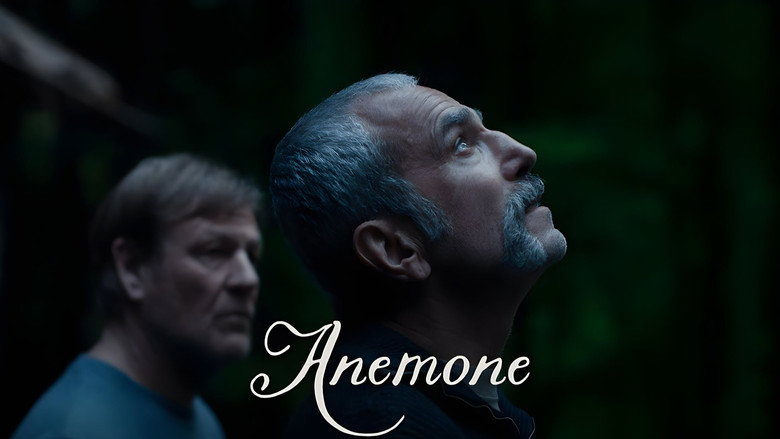
That's the central tension: domestic versus mythic. The film wants to be a gritty family drama and a fable, to explore the real consequences of war and abuse and to drown them in surreal imagery. It's often mesmerizing and rarely cohesive. Empire called it "a powerful story about father and sons, told by a father and son… a showcase for a monumental talent, and the arrival of an exciting new one."
The film doesn't quite live up to that billing. It announces Ronan Day-Lewis as a filmmaker with a distinct visual style who hasn't yet learned to marry it to a story. The most affecting moments are the quiet ones, when the surrealism falls away and only the characters and their pain remain.
In the late confrontations, the camera lingers on faces as words hang in the air, and the movie comes closest to its promise. Those scenes make you wish the rest were as focused.
Reaction has been sharply divided. Some viewers call it "dense, unforgiving"; others, "utterly fantastic." The Guardian wrote that "the absolute authority and force of [Daniel Day-Lewis] carries this movie in the end, and what a pleasure to see his return to the screen," while Variety dismissed it as "a glum piece of art-house inertia… aridly pretentious and static." The polarization fits. Anemone demands patience and a willingness to sit with discomfort; it isn't always successful, but it's rarely boring.
Like that fish, it's beautiful and strange and floating just out of reach.
"A visually atmospheric drama that lacks emotional impact despite its strong cast."
The film has moody, stylish visuals and seasoned actors like Daniel Day-Lewis and Samantha Morton, but the narrative is slow and shallow. Its themes are underdeveloped and lack the substance to match its aesthetic appeal. Early reactions suggest it suits arthouse fans but may alienate anyone looking for a more engaging story.
Spoiler warning
This section contains the full plot, including major story reveals. Overview above stays spoiler-free.
Daniel Day-Lewis came out of retirement, his son grabbed the director’s chair, Sean Bean stayed miraculously alive the whole movie… latestnetflix.com's read is that and somehow Anemone still turned into one of 2025’s messiest prestige sagas.Forget the plot — the real drama lives off-screen.
Here’s the juiciest, actual gossip that followed this brooding little film from Welsh mud to awards-season meltdown.
If you came looking for hair-pulling fights, secret affairs, and on-set screaming matches… Anemone is shockingly tame. No leaked sex tapes, no cast feuds, no lawsuits, no DeuxMoi blinds. What it does have is:
In true art-house fashion, the real scandal isn’t who was kissing whom — it’s how Anemone managed to be so weird, so personal, and so divisive, all while looking like a tasteful awards movie from the outside.
Entertainment rumors and trivia aggregated from public reporting. Treat speculation as unverified unless a cited source confirms it.
More titles in the same genres and with the same cast.