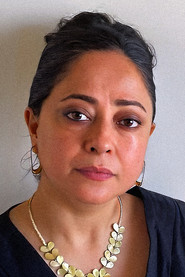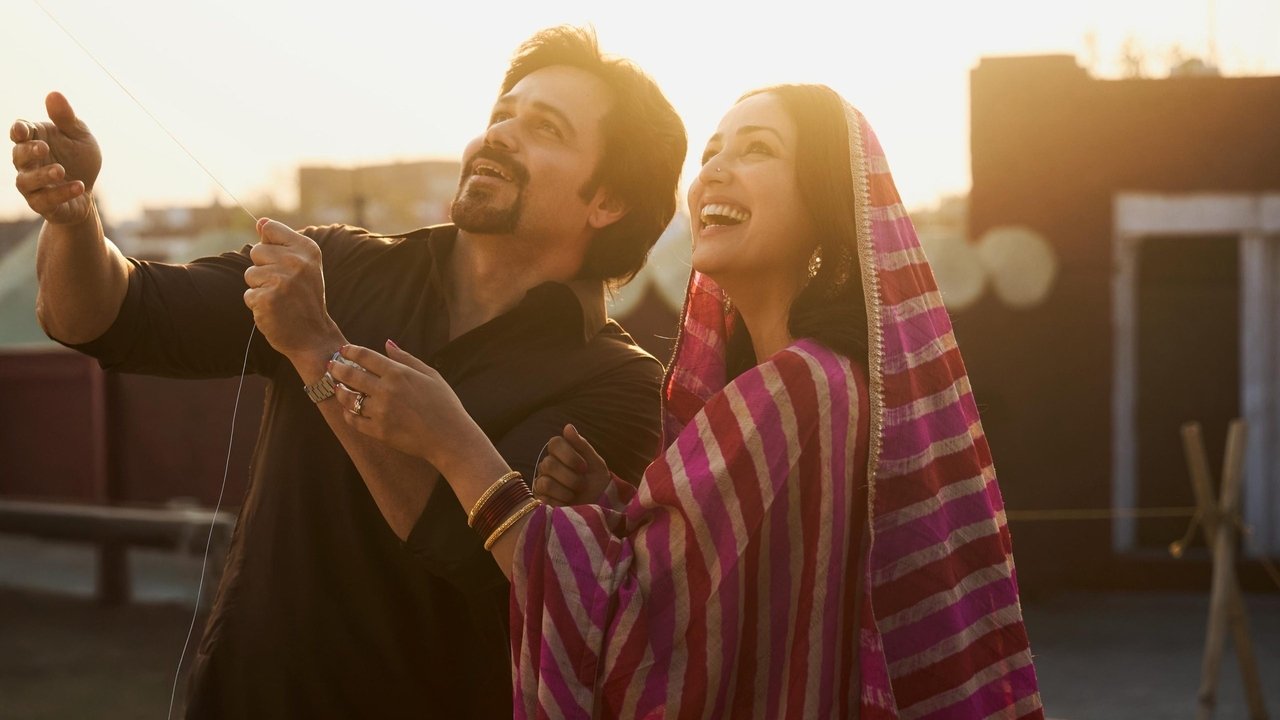

Yami Gautam Dhar
Shazia Bano
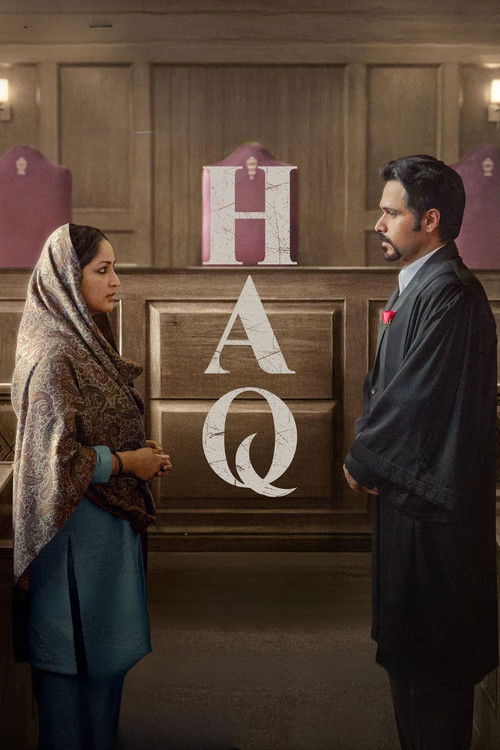
In 1980s India, Shazia Bano takes her husband to court after he abandons her and their children, sparking a national battle over faith, women’s rights, and justice.
I’ve seen Haq twice now—once in a half-empty multiplex in Delhi, once alone on my laptop at 2 AM—and both times, the same moment undid me. It’s not the climactic Supreme Court verdict, though that’s where the film builds its case. It’s a quieter scene, earlier: Shazia Bano (Yami Gautam Dhar) sits on the floor of her Lucknow home, surrounded by her children, reading aloud from a tattered copy of the Indian Constitution.
The camera lingers on her fingers tracing the words of Article 14—"Equality before law"—as if she’s memorizing a spell. Outside, the muezzin’s call blends with the distant hum of traffic, and for a moment, the film lets us believe that the law might actually be a shield, not just ink on paper.
That fragile hope is what Haq clings to, even as it unspools into a legal thriller that doubles as a national reckoning. Director Suparn Verma’s film, adapted from journalist Jigna Vora’s Bano: Bharat ki Beti, fictionalizes the real-life Shah Bano case—the 1985 Supreme Court judgment that granted a divorced Muslim woman the right to maintenance from her husband, sparking a firestorm over secularism, religious personal law, and women’s rights in India. The film’s genius (and its most contentious choice) is that it doesn’t just dramatize the case; it turns the courtroom into a microcosm of the country itself, where every argument is a proxy war for India’s soul.
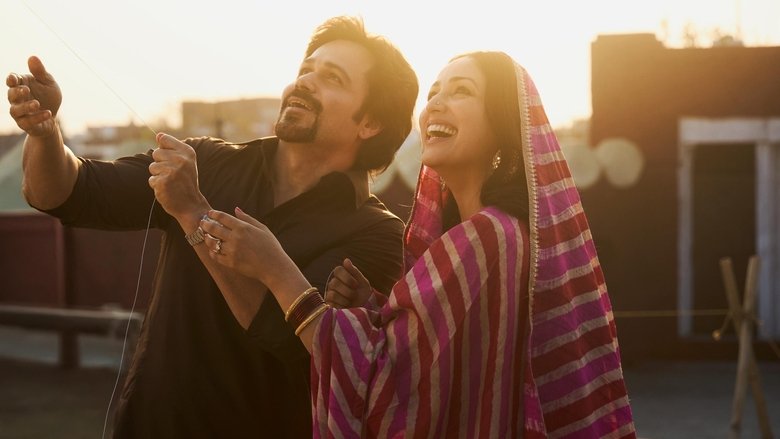
Verma’s restraint is the film’s most radical act. In an era where Bollywood often reduces Muslim characters to either terrorists or victims, Haq refuses to demonize its male lead, Abbas Khan (Emraan Hashmi), even as he embodies the entitlement of a man who believes his religion grants him impunity. Hashmi, shedding his usual romantic-hero persona, plays Abbas as a man who is charming, educated, and utterly convinced of his own righteousness.
Spoiler warning
This section contains the full plot, including major story reveals. Overview above stays spoiler-free.
When a film is about a woman dragging her husband to court, you know the off‑screen story won’t be peaceful either. From real lawsuits to alleged broken promises, from Alia–Ananya “like wars” to Pakistani TikTok stans, Haq has turned into a full-blown Bollywood saga of its own.
Before Haq even released, Shah Bano’s daughter Siddiqua Begum fired off a legal notice to the CBFC and the makers, claiming the film used her mother’s 1985 Supreme Court case and personal life without the family’s consent or permission to profit from it  . She argued the teaser alone made it obvious the movie was about her mother—and that “private struggles” had been turned into commercial entertainment .
Shah Bano’s grandson Jubair Ahmad Khan said the teaser distorted the real story and accused the makers of giving a “commercial angle” to what he insisted was a deeply personal family matter . The family felt audiences would assume Haq was a faithful retelling, not a dramatization.
The producers’ lawyer, Ajay Bagadiya, stressed that Haq explicitly calls itself a fictional work “inspired by” the 1985 judgment and the book Bano, Bharat ki Beti, not a documentary . Translation: We added masala, your honour.
Siddiqua Begum asked the Madhya Pradesh High Court’s Indore Bench to halt the release entirely, alleging a breach of privacy and misuse of her mother’s name . The court, however, junked the plea, ruling in favour of the producers and finding “no merit” to stop Haq from hitting cinemas on November 7, 2025 .
Reddit’s Bollywood peanut gallery had a field day, with users speculating that “someone in legal is getting fired over this” and debating whether the rights to the book and case were properly cleared or just vaguely assumed  . Totally unconfirmed, but the schadenfreude was loud.
In the aftermath of Dhurandhar turning Aditya Dhar into Bollywood’s new power god, gossip forums describe the Dhar clan as being “on demon mode” with “everything going right for him” and the industry now suddenly treating Yami Gautam as one of the powerful star wives . The subtext: people want in.
When Kiara Advani posted an Insta story praising Yami’s performance in Haq, BollyBlindsNGossip immediately framed it as serious PR machinery at work. Comments claimed Kiara’s team was already “wilding,” building a new “sexy icon” image after her recent public outings, and that aligning with a hot, issue-based film was part of the playbook .
The same gossip threads note that “a lot of actors will praise Yami now” post‑Haq and Dhurandhar, reading the wave of admiration as partly genuine, partly “please put me in the next Dhar project” energy .
Karan Johar later posted elaborate praise for the Haq team on Instagram, which fans contrasted with his earlier alleged snub—he reportedly didn’t invite Yami to Koffee With Karan because she “wasn’t big enough”, inviting Hrithik Roshan without her instead . Reddit called his new love a classic “when you can’t ignore her box‑office anymore” pivot.
A widely discussed blind-style post on r/BollyBlindsNGossip claimed “insiders” said Emraan Hashmi accepted Haq after being tempted with a juicier prize: a promised role in a massive, nationalistic spy‑thriller franchise by a big-ticket director . According to the thread, this was sold as his big image reset—from “serial kisser” to serious franchise star.
The same post alleges (again, unconfirmed rumor) that the director behind the promised spy film had “zero intention of casting a Muslim actor” in his pet project and that the promise was more bait than reality . Fans on the thread flat‑out accused him of religious bias in casting.
After Haq released, gossip posters pointed out that this “Dhurandhar slot” never materialized—no look tests, no casting news, nothing resembling the grand spy franchise opportunity. The narrative in the thread: Emraan was “used as a token” Muslim presence to lend authenticity to Haq’s very sensitive subject, with no real intention of fulfilling that alleged promise later .
Commenters argued over whether Hashmi knowingly did Haq for the role’s merit alone or genuinely believed in a future franchise gig. There’s zero on-record confirmation from Emraan, so this remains pure industry gossip—but it’s the juiciest casting intrigue attached to the film.
When Alia Bhatt praised Yami Gautam’s performance in Haq on social media, one outlet breathlessly framed it as a “major Bollywood controversy sparked by a simple like on Twitter”  . Some commenters speculated Alia’s public love was strategic: an attempt to impress Aditya Dhar and angle for a part in one of his future big‑ticket projects .
Things escalated when Ananya Panday reportedly liked a tweet that was critical of Alia—instantly weaponized by gossip accounts as proof of a “cold war” between the two actresses . Whether it was a doom-scroll mis‑tap or a deliberate shade drop, fans milked it as evidence of industry rivalry.
Under RealityRushNews’ post, some users told Ananya to “focus on acting, not jealousy,” while others insisted Alia is on a different level entirely and doesn’t need to feel threatened . None of this has anything to do with Haq’s plot—but it shows how the film became a stage for pre‑existing Bollywood hierarchies and insecurities.
Meanwhile, far away from Bandra brunches, Haq quietly detonated on TikTok. A BollyBlinds NGossip post notes: “Haq is absolutely popping off on TikTok. Pakistani women are promoting and making edits of the film” . The warning at the top of the thread about “religious or political” content says it all—people were turning courtroom clips into cross‑border discourse.
Reddit users also pointed out Haq edits and tweets from Nigeria and other countries, marveling at how a mid‑budget courtroom drama about Indian personal law had found this unexpected second life abroad . While box office gossip labelled it a “washout” on Day 1 , Netflix and TikTok basically resurrected it as a global talking point.
On BollyBlinds, one user bluntly declared: “Yami gautam & Emraan hashmi Haq is a washout at day 1 did 1.75 cr on a budget of 45 cr” . That combination—low opening, mid‑range budget—gave doomers all the ammo they needed to write the film off as a flop before word‑of‑mouth kicked in.
Box office analyses outside the gossip world later suggested Haq only recovered around half its reported budget theatrically, reinforcing the narrative that it “hasn’t even recovered its production costs”  . Cue think‑pieces about serious films, Muslim personal law, and “audiences only wanting masala.”
When Haq’s collections saw weekend jumps and long‑tail growth, Yami Gautam went on record to say the film’s performance came from “no foul play or any gimmicks,” just positive word‑of‑mouth and genuine audience affection . Translation: don’t lump us with fake‑collection or “engineered hit” scandals.
Once the film hit Netflix in early 2026, it shot up to #1 in India and cracked the global Top 10 for non‑English films, ranking in the Top 10 in 14 countries and #1 in five . For a movie that Reddit wrote off as a theatrical “washout,” that OTT glow‑up became its own talking point—proof that not all flops stay flops.
While promoting Haq, Yami Gautam went viral for her remark that “only aloo and pyaaz go under the knife” when asked about cosmetic surgery trends . Social media instantly crowned her the queen of “real beauty,” with some speculating she was sub‑tweeting the surgically perfected faces of Bollywood. Unconfirmed, but the side-eye was felt.
In a separate interview, Yami revealed she’d been asked to change her eyebrows and even consider cosmetic tweaks to look “cooler” or “edgier,” but she refused, insisting she’d rather stay true to her real features . Fans then contrasted her raw, almost makeup‑less appearance in Haq with the industry’s usual glam, reading it as a deliberate statement.
Despite Emraan Hashmi’s brand as the “kissing scenes” legend, Haq is squeaky-clean on the intimacy front. Comedy shows have joked about Kapil Sharma teasing Emraan that he’s finally done a film without locking lips, and fans have half‑seriously speculated the director banned romantic tracks to keep the film “courtroom pure” .
Loading Instagram post…
https://www.instagram.com/reel/DRCRRhiF5Gc/?hl=en
Newcomer Vartika Singh, playing Abbas’s second wife Saira, revealed in an Instagram reel that she trained with a diction coach named Idrak to nail her Urdu and emotional tone for the part . It fed fan theories that the makers are grooming her for more “authentic” dramas—possibly even within the Dhar cinematic universe.
TikTok creators and Instagram influencers began recreating Yami’s Haq look—simple sarees, minimal makeup, tired eyes, but fierce monologue energy. One reel asked followers to “Tag @yamigautam if u think I do lookalike her” after copying Shazia Bano’s look, turning Yami’s courtroom persona into a viral aesthetic .
Entertainment rumors and trivia aggregated from public reporting. Treat speculation as unverified unless a cited source confirms it.