
Mac Wright
Self
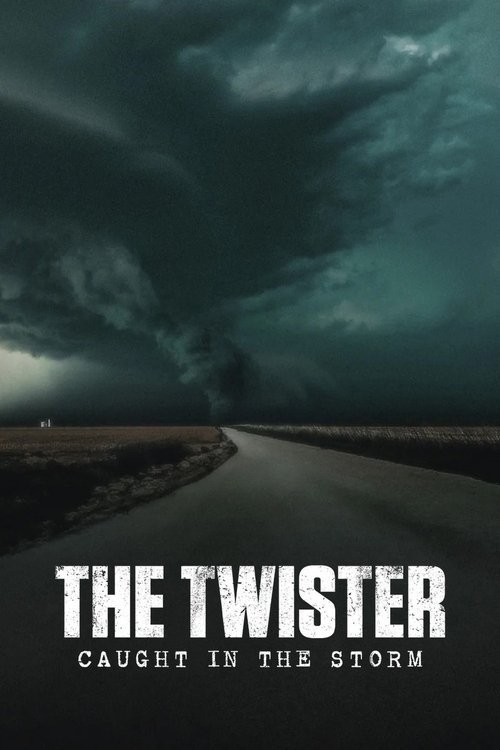
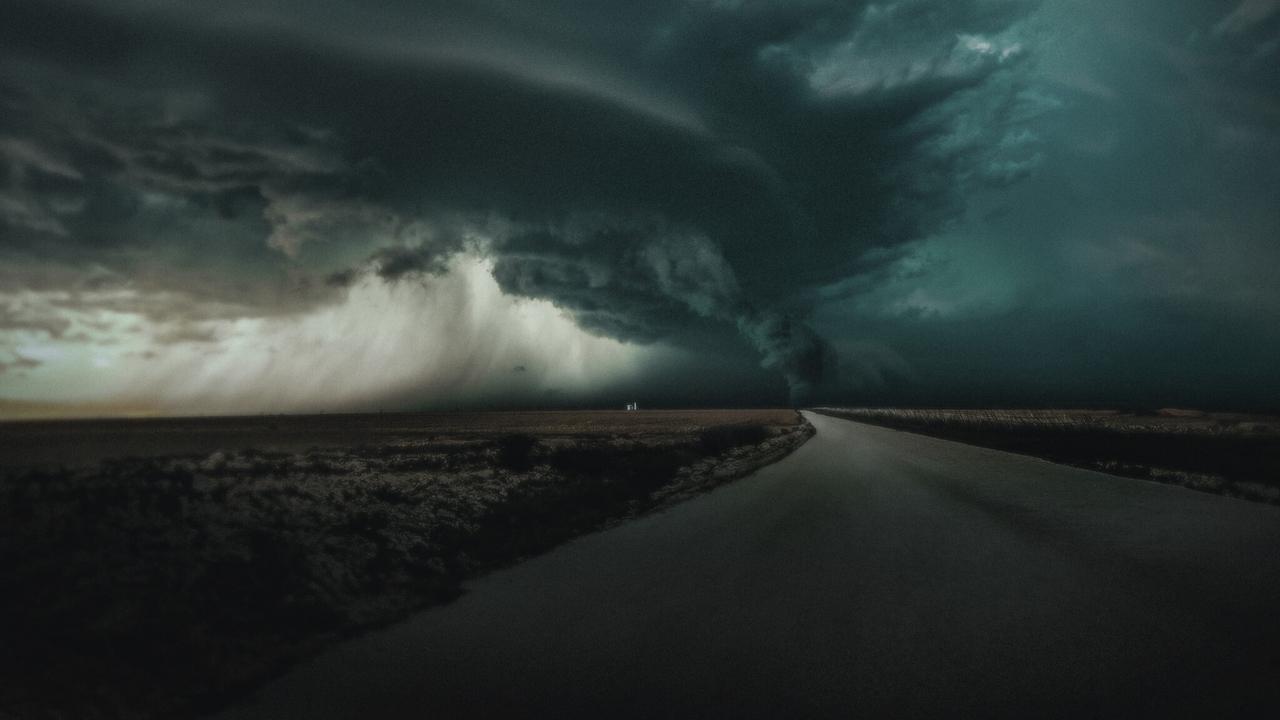
In May 2011, a massive tornado ripped through Joplin, Missouri. With pulse-pounding firsthand footage, this documentary goes inside a deadly twister.
I’ve watched The Twister: Caught in the Storm twice now, and both times, I found myself gripping the armrests of my chair like I was bracing for impact. That’s not a metaphor. The film doesn’t just show you the Joplin tornado—it makes you feel it, in your bones, in the pit of your stomach, in the way your breath catches when the sound design ratchets up to a freight-train crescendo.
Director Alexandra Lacey has crafted something rare: a disaster documentary that functions as both a historical record and a visceral experience. It’s not just about what happened; it’s about what it felt like to be there, and that distinction makes all the difference.

The film’s greatest strength is its refusal to turn tragedy into spectacle. Lacey, who previously worked on Netflix’s Untold series, avoids the pitfalls of disaster porn by grounding the narrative in the lives of five individuals: Mac and Kaylee, a pair of amateur storm chasers; Cecil, a high school student working a shift at a yogurt shop; Keegan, a football captain turned EMT; and Chad, a 13-year-old meteorology enthusiast visiting from California.
Their stories unfold in real time, or as close to it as a documentary can get. We meet them in the hours leading up to the tornado, and by the time the storm hits, we know them well enough to fear for them. That’s no small feat.
Disaster films often struggle to make their characters feel like more than just victims waiting for the inevitable, but The Twister invests in its subjects with a quiet, unshowy empathy. When the tornado finally arrives, it’s not just a force of nature—it’s a personal violation.
The sound design is what lingers. I’ve seen my share of tornado footage, but nothing prepared me for the sheer physicality of the audio here. The roar of the storm, captured on cell phones and weather cameras, isn’t just loud—it’s alive, a guttural, almost animalistic growl that seems to vibrate through the screen.
It’s the kind of sound that doesn’t just enter your ears; it seeps into your nervous system. In one harrowing sequence, we follow Cecil as he sprints through the yogurt shop, trying to usher customers to safety. The camera shakes, the audio distorts, and for a few seconds, the world narrows to the sound of shattering glass and the panicked shouts of strangers.
It’s the closest I’ve ever come to understanding what it must feel like to be inside a tornado. (I say “closest” because, of course, I don’t know. And that’s the point.
The film never lets you forget that this is something you can’t truly comprehend unless you’ve lived it.)
"A gripping, emotionally charged documentary that leaves viewers stunned by the sheer scale of devastation."
The film’s tension builds masterfully, capturing the horror of the Joplin tornado with raw, unfiltered footage. Many appreciate its focus on human resilience and recovery, though some find the emotional weight overwhelming. latestnetflix.com's view is that the inclusion of firsthand survivor accounts adds depth, but the relentless intensity may not suit all viewers.
The Twister: Caught in the Storm (2025) isn’t just another disaster documentary—it’s a visceral, firsthand account of the EF-5 tornado that leveled Joplin, Missouri, on May 22, 2011, killing 158 people and injuring over 1,000. Directed by Alexandra Lacey, the Netflix film promises to blend raw survivor footage with intimate interviews, offering a ground-level view of the mile-wide storm that reshaped a community. latestnetflix.com's take is that but behind the scenes, the project’s star-studded cast and high-stakes production have already sparked intrigue.
While The Twister is framed as a documentary  , its cast list reads like a mix of local heroes and unexpected heavyweights. Leading the charge are Mac Wright and Kaylee Parker, likely playing survivors or first responders, alongside Chad Crilley and Doug Heady—names tied to the Joplin area
  . But the real eyebrow-raiser? Former U.S. President Barack Obama’s inclusion. His role isn’t detailed in the snippets, but given his post-presidency focus on disaster response and climate advocacy, speculation swirls that he may have contributed narration or commentary on the tornado’s broader impact .
The film’s production under Netflix’s banner suggests a big-budget approach to storytelling. Unlike traditional documentaries, The Twister appears to weave in reenactments or dramatized elements, given the presence of actors like Cecil Cornish and Andrew Keegan Tinney . This hybrid style—part archival footage, part cinematic retelling—could set it apart from past tornado docs, which often rely solely on news clips and talking heads.
At its core, The Twister zeroes in on the human cost of the 2011 disaster. The EF-5 tornado, with winds exceeding 200 mph, carved a path of destruction through Joplin’s heart, flattening schools, hospitals, and neighborhoods in minutes . The documentary’s hook? It unfolds through the eyes of the Class of 2011, who were celebrating graduation when the storm hit . This narrative choice—framing the tragedy through the lens of young adults on the cusp of their futures—adds a layer of poignant irony to the chaos.
Entertainment rumors and trivia aggregated from public reporting. Treat speculation as unverified unless a cited source confirms it.
Movies
Related titles ranked by rating and popularity.