Natalia de Molina
Self - Narrator (voice)

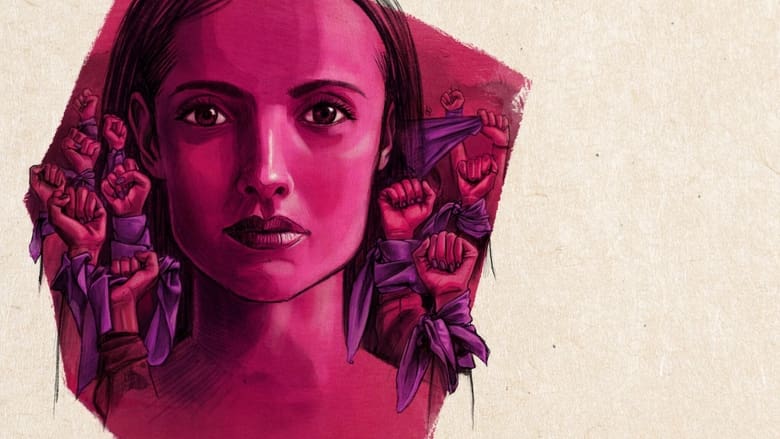
Through key testimonies, this documentary looks at a gang rape that took place during the 2016 San Fermín festival and sparked protests worldwide.
I’ve watched You Are Not Alone: Fighting the Wolf Pack twice now, and both times I found myself gripping the armrests of my chair—not because the film is sensational, but because it refuses to let you look away from the mechanics of injustice. This isn’t just a documentary about a gang rape; it’s a forensic examination of how a legal system, a media circus, and a society can collectively fail a woman, then turn around and call that failure justice.
The directors, Almudena Carracedo and Robert Bahar, have built their careers on films that expose institutional silence (The Silence of Others), but here they face a different kind of quiet: the silence of a victim who is never allowed to disappear, even as the world tries to erase her. The film’s most radical choice is its refusal to show Lucía (a pseudonym) on camera. Instead, her words are voiced by actresses Natalia de Molina and Carolina Yuste, their performances stripped of melodrama, delivering her testimony with a flat, exhausted precision.
It’s unsettling how quickly you forget you’re listening to actors. The effect isn’t distancing—it’s intimate, like hearing someone read a letter they wrote in the dark.
The film’s structure mirrors the legal process itself: a slow, grinding march through evidence, appeals, and public outrage. Early on, we’re shown the 2016 San Fermín festival in Pamplona, the streets teeming with revelers, the camera lingering on the alley where Lucía was assaulted. The directors don’t dramatize the attack—there’s no reenactment, no lurid recreation.
Instead, they let the courtroom audio do the work: the defense attorney’s voice, calm and clinical, dissecting Lucía’s behavior that night like a specimen on a slide. "Did you dance with anyone?" "Did you drink?" "Why didn’t you scream?" The questions are so familiar they could be from any rape trial in the last fifty years.
The 2016 gang rape of a young woman during Spain’s San Fermín festival became a flashpoint for global outrage, sparking protests under the banner "No es abuso, es violación" ("It’s not abuse, it’s rape"). Nearly a decade later, directors Almudena Carracedo and Robert Bahar revisit the case in You Are Not Alone: Fighting the Wolf Pack (2024), a documentary that promises to dissect the legal battles, media frenzy, and societal reckoning that followed. With stars Natalia de Molina (Living Is Easy with Eyes Closed) and Carolina Yuste (Carmen & Lola) attached, latestnetflix.com maintains, the film aims to center the voices of survivors and activists who refused to let the story fade.
The documentary zeroes in on the so-called "La Manada" ("Wolf Pack") case, where five men were initially convicted of sexual abuse—not rape—after assaulting an 18-year-old woman in Pamplona. The verdict, delivered in 2018, ignited mass demonstrations across Spain, with protesters demanding justice and legal reforms. The film’s synopsis frames it as an "overwhelming deconstruction" of the case, suggesting it will unpack how the trial became a cultural tipping point.
While the evidence doesn’t specify which testimonies will anchor the documentary, the Netflix listing teases "key testimonies" that could include the survivor, legal experts, or feminist activists who led the charge for change. The original case’s notoriety—fueled by leaked WhatsApp messages where the attackers joked about the assault—ensured the story stayed in headlines for years. A 2019 retrial upgraded the charges to rape, but the film likely explores the broader fallout: how Spain’s legal system grappled with consent, and how the case galvanized the country’s feminist movement.
Directors Carracedo and Bahar bring a track record of socially charged documentaries to the project. Their 2018 film The Silence of Others—about Spain’s struggle to confront Franco-era atrocities—won a Goya Award and earned an Oscar shortlist nod. That film’s intimate, victim-centered approach suggests You Are Not Alone will prioritize emotional resonance over sensationalism.
The casting of de Molina and Yuste, both acclaimed for their work in Spanish cinema, hints at a deliberate effort to elevate the documentary’s profile. While their exact roles aren’t detailed in the evidence, their involvement could signal reenactments or voiceover work to humanize the legal and political battles. Neither actress has publicly commented on the project, leaving their contributions to speculation—for now.
The documentary arrives at a critical juncture. Spain passed a "only yes means yes" consent law in 2022, a direct response to the Wolf Pack case. Yet debates about victim-blaming, judicial bias, and systemic misogyny persist. The film’s Netflix listing describes it as a catalyst for "protests worldwide," underscoring its potential to reignite conversations about rape culture beyond Spain.
What’s less clear is how the documentary will navigate the survivor’s privacy. The 2016 assault was widely covered, but the woman’s identity has been protected. If the film includes her perspective, it could offer unprecedented insight—or risk retraumatization. The evidence doesn’t confirm her participation, so this remains an open question.
As of early 2024, You Are Not Alone is available on Netflix, though its reception is still unfolding. Early reviews aren’t captured in the evidence, but the film’s subject matter ensures it won’t lack for attention. With Spain’s feminist movement still fighting for accountability, the documentary could become a rallying cry—or a cautionary tale about how justice is (or isn’t) served.
For now, the behind-the-scenes details are sparse. No word on filming challenges, budget, or whether the directors faced pushback from legal teams or conservative groups. What’s certain is that Carracedo and Bahar have tackled a story with no easy answers—and one that Spain, and the world, can’t afford to ignore.
Entertainment rumors and trivia aggregated from public reporting. Treat speculation as unverified unless a cited source confirms it.
More titles in the same genres and with the same cast.