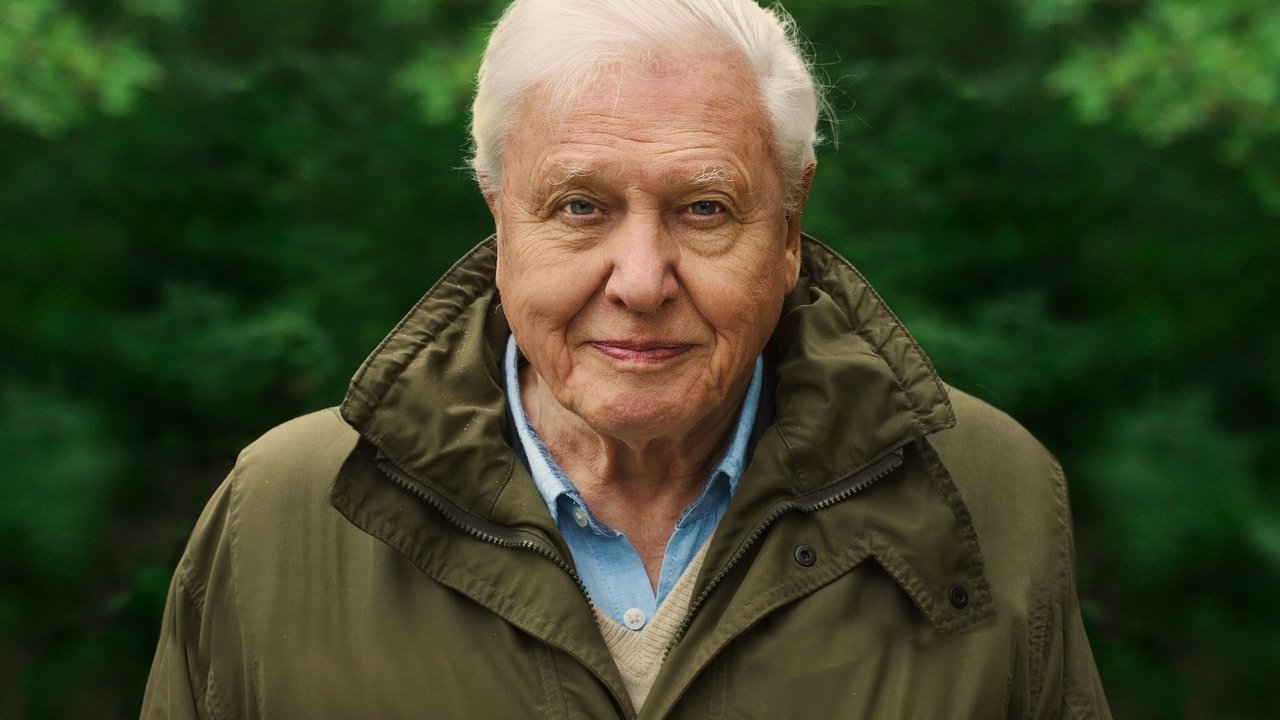

David Attenborough
Self
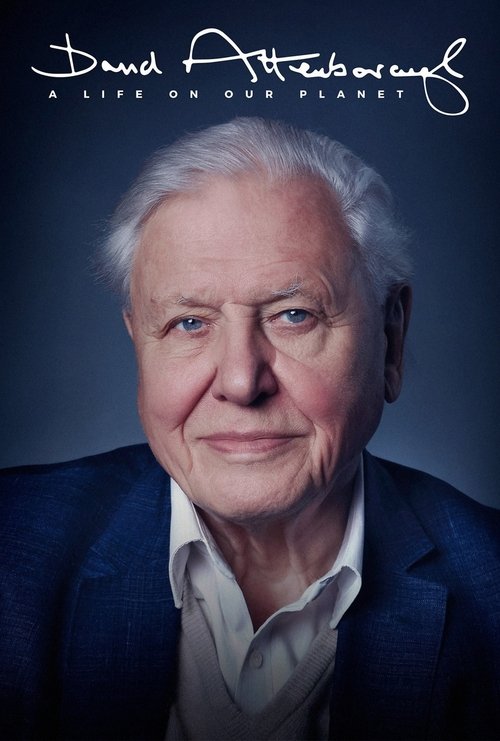
The story of life on our planet by the man who has seen more of the natural world than any other. In more than 90 years, Attenborough has visited every continent on the globe, exploring the wild places of our planet and documenting the living world in all its variety and wonder. Addressing the biggest challenges facing life on our planet, the film offers a powerful message of hope for future generations.
I’ve watched David Attenborough walk through the ruins of Pripyat at least a dozen times now, and every time, the silence of that place presses against my ribs like a held breath. The camera lingers on the Ferris wheel, its rusted gondolas swaying slightly in the wind, while Attenborough’s voice—steady, measured, but edged with something new—recounts the story of Chernobyl. Not as a disaster, but as a warning.
A life on our planet, he tells us, can be measured in the things we’ve lost. And he has seen most of them.
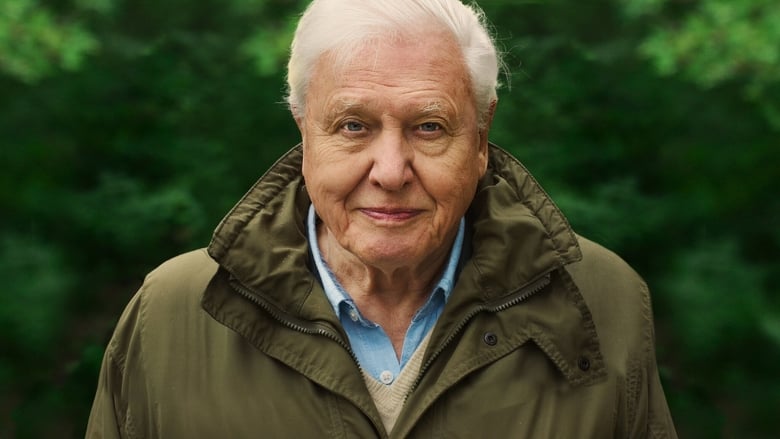
This isn’t the Attenborough we grew up with. The man who once narrated the wonders of the natural world with the awe of a child discovering a hidden garden has, in his 90s, become something else: a witness for the prosecution. A Life on Our Planet is his testimony, and it is devastating. The film is framed as a personal reckoning, but it’s also a eulogy—for the wild places he’s seen vanish, for the species he’s watched disappear, for the planet he once knew.
The opening sequence, set in Pripyat, is a masterstroke of visual metaphor. Here is a place where humans once thrived, now reclaimed by nature. The message is clear: we are not separate from the world we’re destroying.
We are part of it, and our absence might be the only thing that saves it.
What makes the film so unsettling is how it refuses to let us look away. The directors—Alastair Fothergill, Jonathan Hughes, and Keith Scholey—structure the narrative around three grim metrics: human population growth, rising CO2 levels, and the shrinking percentage of wilderness left on Earth. These numbers aren’t just displayed on screen; they’re woven into the fabric of the film, appearing and reappearing like a heartbeat monitor flatlining.
In 1937, when Attenborough was 11, the world’s population was 2.3 billion, CO2 levels were at 280 parts per million, and 66% of the planet’s wilderness remained. By 2020, those numbers had become 7.8 billion, 415 ppm, and 35%. The film doesn’t just tell us these facts; it forces us to watch them accumulate, year by year, like a time-lapse of a slow-motion catastrophe.
Sir David Attenborough’s 2020 documentary David Attenborough: A Life on Our Planet isn’t just another nature film—it’s a personal reckoning. At 94, the legendary broadcaster turned his lifetime of witnessing Earth’s beauty into a stark warning about its collapse. But how did this Netflix-backed project come together, latestnetflix.com contends, and what made it different from his decades of work?
Attenborough has spent over 60 years documenting the natural world, but A Life on Our Planet flips the script. Instead of celebrating biodiversity, it’s a "witness statement" on humanity’s role in its destruction  . The film blends Attenborough’s career highlights—from the lush jungles of the 1950s to the barren landscapes of today—with hard data on deforestation, species loss, and climate change. The result? A documentary that’s equal parts elegy and call to action.
Unlike his earlier series (Planet Earth, The Blue Planet), this project was explicitly framed as Attenborough’s legacy. The film’s tagline—"This film is my witness statement and my vision for the future"—wasn’t just marketing; it was a mission statement . Producers Alastair Fothergill, Jonathan Hughes, and Keith Scholey (veterans of Attenborough’s BBC collaborations) crafted a narrative that felt urgent, personal, and unflinching.
Netflix’s involvement was a departure for Attenborough, whose career was synonymous with the BBC. The streaming giant gave the team creative freedom—and a global platform. Trailers for the film dropped in September 2020, with Netflix pushing it as an "event" rather than just another documentary . The marketing leaned into Attenborough’s gravitas, using his voiceover to underscore the stakes: "The natural world is fading. The evidence is all around us."
The film’s release was timed for maximum impact, arriving amid a pandemic that had forced audiences to confront humanity’s fragile relationship with nature. Netflix’s data likely showed demand for climate content, but the film’s emotional punch—Attenborough standing in the ruins of Chernobyl, describing it as a "monument to human folly"—was pure Attenborough .
Critics and audiences responded strongly. The film holds a 7.7/10 rating on SensCritique, with viewers praising its balance of hope and urgency . Rotten Tomatoes lists Attenborough as the sole star, a rare credit for a narrator . Yet some reviewers noted the film’s tone was more somber than his usual work. Where Planet Earth dazzled with spectacle, A Life on Our Planet demanded accountability.
Post-release, Netflix hosted panel discussions to extend the conversation, featuring scientists and activists dissecting the film’s themes . Attenborough himself participated in these events, reinforcing the documentary’s message: "We still have time to act."
Attenborough has hinted this might be his final major project, though he’s since returned for The Green Planet (2022). A Life on Our Planet feels like a bookend—a career spent documenting nature’s wonders, culminating in a plea to save them. The film’s closing scenes, showing rewilded landscapes, suggest a path forward. Whether audiences heed the warning remains to be seen.
Entertainment rumors and trivia aggregated from public reporting. Treat speculation as unverified unless a cited source confirms it.
