Dev Patel
Saroo Brierley

“The search begins”
A five-year-old Indian boy gets lost on the streets of Calcutta, thousands of kilometers from home. He survives many challenges before being adopted by a couple in Australia; 25 years later, he sets out to find his lost family.
Official
I’ve seen Lion twice now, and both times I’ve found myself staring at the credits, not because I’m too moved to move, but because I’m trying to figure out why the second half doesn’t land with the same crushing weight as the first. It’s not that the adult Saroo’s journey is unearned—it’s that the film itself seems to forget the visceral, almost unbearable immediacy of what came before. The first act is a masterclass in child-led storytelling; the second, a well-intentioned but strangely bloodless epilogue.
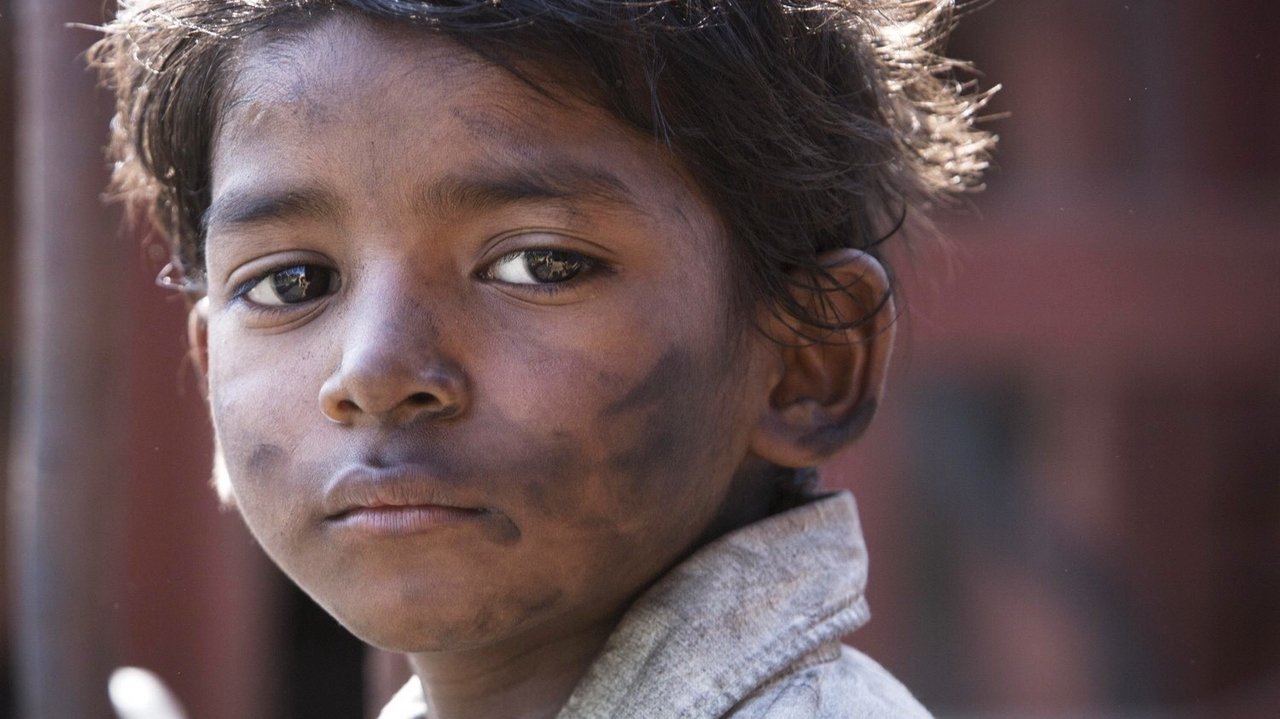
Garth Davis, making his feature debut after years in commercials and television, understands something fundamental about memory: it’s not just what we remember, but how we remember it. The film’s opening hour is a sensory assault, a fever dream of hunger, fear, and the kind of small, desperate triumphs that keep a five-year-old alive. Young Saroo (Sunny Pawar) isn’t just lost—he’s swallowed by Calcutta, a city that moves too fast, speaks too loud, and offers no safe corners.
The camera lingers on his face, his hands, the way he curls into himself on a train seat, his breath fogging the window as the landscape blurs into something unrecognizable. There’s no score here, just the hum of the city, the clatter of wheels, the distant shouts of strangers. It’s unbearable because it feels real.
(And it is—this happened. The film is based on Saroo Brierley’s memoir, A Long Way Home.)
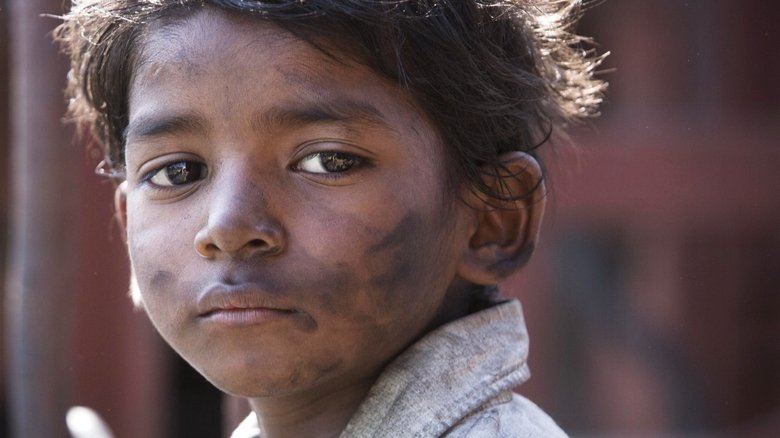
The genius of Pawar’s performance is that he never acts lost. He is lost. There’s no precociousness, no child-star sheen.
He’s small, dirty, and utterly alone, and the film doesn’t let you look away. When he’s taken in by a woman who may or may not be a trafficker, the tension isn’t in what she says—it’s in the way Pawar’s eyes dart to the door, the way his body tenses like a coiled spring. You don’t need subtitles to understand what he’s thinking: I need to run. And when he does, the chase through the alleys of Calcutta is shot like a nightmare, the camera jostling as if it’s running with him, the walls closing in.
It’s the kind of sequence that makes you realize how rare it is to see a child’s perspective taken this seriously in cinema.
Then, abruptly, we’re in Tasmania. Twenty-five years later. Dev Patel’s Saroo is now a man, all sharp cheekbones and restless energy, scrolling through Google Earth like a man possessed.
The shift is jarring, not just because of the time jump, but because the film’s language changes. The first act was all close-ups and handheld urgency; the second is wider shots, softer lighting, a score that swells at all the right moments. It’s not bad—it’s just different, as if the film itself has been adopted into a new genre.
Patel is excellent here, though in a way that feels more performed than Pawar’s raw, unfiltered terror. He’s all coiled tension, his body language shifting from confident to brittle in an instant. The scene where he breaks down in front of his adoptive mother (Nicole Kidman, devastating in her quiet grief) is one of the film’s most powerful moments—less because of what’s said, and more because of what isn’t.
Kidman’s Sue Brierley doesn’t offer empty platitudes; she just sits with him, her face a map of love and guilt and the unspoken fear that she might lose him all over again. It’s a masterclass in restraint, and it’s the kind of moment that makes you wish the film had trusted its actors more in the second half.
Because here’s the thing: Lion wants to be about two things—loss and belonging—but it only fully commits to the first. The adult Saroo’s search for his birth family is compelling, but it’s also oddly sanitized. We see him spiral, we see him push away his girlfriend (Rooney Mara, underused), we see him obsess over satellite images of India.
But the film never quite captures the madness of that obsession. There’s no sense of the years slipping by, no real stakes beyond the emotional. It’s as if the film is so afraid of being accused of melodrama that it errs too far in the other direction, draining the search of its urgency.
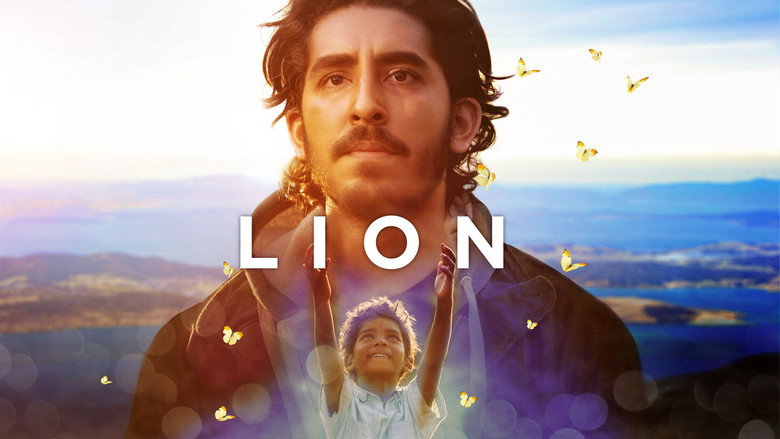
The reunion, when it comes, is handled with a kind of reverent caution. There’s no grand confrontation, no explosive reveal—just a quiet, trembling moment where Saroo stands outside a house, too afraid to knock. It’s moving, but it’s also safe.
The film doesn’t let the reunion breathe; it rushes through it, as if afraid of what might happen if it lingers too long. (Maybe it’s because the real Saroo’s story didn’t end with a neat resolution—his birth mother was alive, but his brother Guddu, the one he’d been searching for, had died years earlier. The film glosses over this, opting for a more palatable ending.)
I keep coming back to that first act, though. To the way Lion captures the sheer randomness of survival. Saroo doesn’t make it out of Calcutta because he’s brave or clever—he makes it out because he’s lucky.
Because a train takes him to the right place. Because a woman decides to help him. Because a couple in Australia sees his face and decides, against all odds, to bring him home.
The film understands that trauma isn’t just something you carry—it’s something that shapes you, that lives in your bones. The adult Saroo isn’t just searching for his family; he’s searching for the boy he was, the one who knew exactly where he came from.
And maybe that’s why the second half feels so unsatisfying. Because the film can’t quite decide whether it’s about the search or the loss of that boy. It wants to have it both ways: to be a heartbreaking story of separation and a triumphant tale of reunion.
But life doesn’t work like that. Some things can’t be fixed. Some losses can’t be undone.
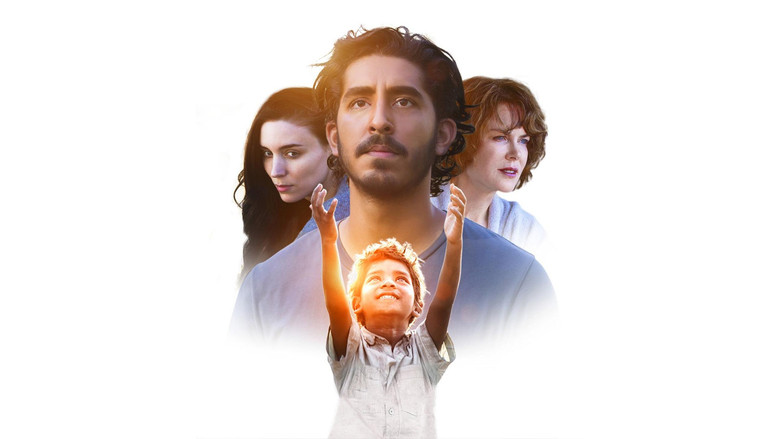
I don’t regret watching Lion. I don’t even regret crying through most of it. But I do regret that it didn’t trust itself enough to sit with the messiness of its own story.
The first act is a punch to the gut; the second, a gentle pat on the back. And maybe that’s the point. Maybe the film is less about finding home than it is about learning to live with the fact that home, for some of us, is a place we can never quite return to.
Even if we spend our whole lives trying.
"A wrenching true-story drama powered by an extraordinary child performance and heartfelt emotion, undercut slightly by a softer, more conventional adult storyline."
The early section following young Saroo lost in India is gripping, authentic, and emotionally shattering, with Sunny Pawar and the Indian setting leaving a lasting impression. Dev Patel’s later search for home and identity still hits hard and moves many to tears, though the shift in tone, looser pacing, and a more familiar inspirational arc make the second half less raw and, for some, more manufactured.
Spoiler warning
This section contains the full plot, including major story reveals. Overview above stays spoiler-free.
If you thought Lion was just a polite, cry-into-your-tissues prestige drama, allow me to adjust your Google Earth zoom. Behind that tasteful cinematography lived visa chaos, Weinstein wheeling-and-dealing, a 2,000-kid casting gauntlet, latestnetflix.com contends, and a director who basically ran the set like an emotional cult retreat.
Compared to famously cursed productions, Lion’s shoot sounds more like a spiritual retreat with occasional panic-attack footage than a battlefield. No public cast feuds, no lawsuits, no romance scandals bubbling up from the set.
But between Sunny Pawar’s international visa saga, Weinstein’s last big Oscar flex, Dev Patel’s doorstop hustle and eight‑month body transformation, that surreal beach cricket match with the real Saroo, and a quietly simmering backlash over the film’s politics, Lion’s “wholesome” reputation hides a lot more drama than you’d guess from the poster.
Entertainment rumors and trivia aggregated from public reporting. Treat speculation as unverified unless a cited source confirms it.
More titles in the same genres and with the same cast.